
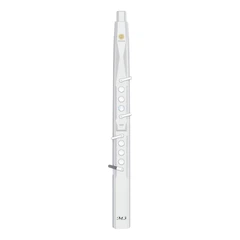


In short, MIDI (Musical Instrument Digital Interface) is a technical standard that defines a protocol, a digital interface, and connectors. It facilitates communication between various electronic musical instruments, computers, and other devices. Although MIDI does not create sound, it transmits information about how music is produced, conveying messages about pitch, intensity, tone, and more.
MIDI transforms musical performance into a series of digital data that can be manipulated and reproduced with precision on a DAW (Digital Audio Workstation), making it a crucial component tool in modern digital audio production.
MIDI mostly communicates "event messages," such as the note played, its pitch, length, and velocity. For example, when a MIDI keyboard is played, it sends data about which keys are pressed and with what intensity rather than actual sound. This data can be used to trigger sounds from a synthesizer or be recorded and edited using music software.
But MIDI can also transmit a variety of other control signals, including changes in parameters like volume, vibrato, panning, cues, and clock signals that keep tempo between devices. Such versatility allows musicians and producers to manipulate a wide array of musical elements in real-time or during post-production, enhancing creativity and streamlining the music-making process.


