
Whether you get tired after playing an electric wind instrument for a long time depends on several factors:
Physical Factors
Breath Control: Just like with traditional wind instruments, playing an electric wind instrument requires controlling the breath. Sustained playing can cause fatigue in the respiratory muscles. For example, if you are playing a long, continuous phrase without proper breath support and relaxation techniques, your diaphragm and intercostal muscles (muscles between the ribs) can become tired.
Finger Dexterity: The need to press keys or buttons on the instrument to produce different notes and activate functions can lead to finger fatigue. If the piece being played involves complex fingerings or fast passages that require repetitive and precise movements, the muscles and tendons in the fingers, hands, and wrists can get tired. This is especially true if the player has not developed sufficient finger strength and endurance through regular practice.
Instrument Design and Setup
Weight and Balance: The physical weight and balance of the electric wind instrument can affect fatigue. If the instrument is too heavy or not properly balanced in the hands, it can put strain on the arms and shoulders during extended playing sessions. Some models might have a more ergonomic design that distributes the weight evenly, reducing the physical stress on the player.
Key Resistance: The amount of force required to press the keys or buttons on the instrument can vary. If the key resistance is too high, it can cause fatigue in the fingers and hands more quickly. Manufacturers may offer adjustable key resistance settings on some electric wind instruments to allow players to customize the feel according to their preference and physical capabilities.
Playing Style and Technique
Tension: Excessive physical tension while playing can lead to fatigue. This can include tension in the body posture, gripping the instrument too tightly, or using more force than necessary to play the notes. For example, a player who is nervous or has not developed a relaxed playing style might unconsciously tense their muscles, which can result in fatigue sooner than if they were playing with a more fluid and relaxed technique.
Vibrato and Expression Techniques: Using techniques such as vibrato (a slight variation in pitch to add expression) and other forms of tonal modulation can also contribute to fatigue if overused or used with too much muscular effort. These techniques require fine control and can put additional strain on the muscles involved in pitch control and breath manipulation.
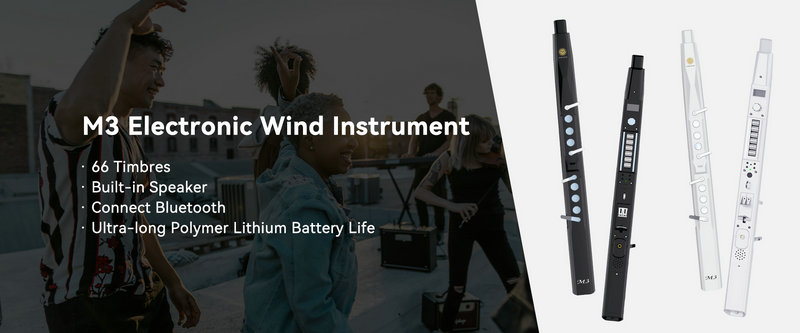
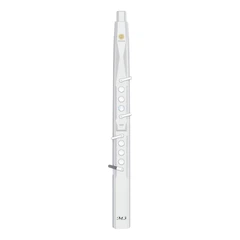
SUNRISE MELODY M3 Electronic Wind Instrument - The best-selling Electronic Wind Instrument
. 66 Timbres
. Built-in Speaker
. Connect Bluetooth
. Ultra-long Polymer Lithium Battery Life