
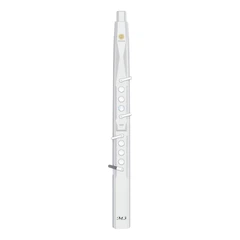


The principle of the wind synth is to use airflow to control the current and convert the current signal into a sound signal to produce music.
The wind synth is an electronic musical instrument whose working principle is based on electronic technology and produces sound through electronic components. It uses sensors to convert information such as blowing force, speed and the position of the blowing port into electrical signals, which are then processed and synthesized through computer technology to finally generate the sounds of various musical instruments. The wind synth can simulate the sounds of a variety of musical instruments, including saxophones, clarinets, flutes, violins, etc., and can easily change parameters such as timbre, pitch and volume. The design principle of this electronic synthesizer is similar to that of the electronic keyboard. Various types of electronic synthesizers are created through scientific and technological means and are defined as wind synthesizers (electric saxophones).
The wind synth has a rich timbre and has many different musical instrument timbres built in, which allows the performer to make sounds through simple operations such as pressing a note sensor button or choosing a blowing method. This difference leads to a huge difference in the timbre of the sound. Compared with traditional instruments that produce sound through the player's body movements, the sound of the electric blowpipe is produced by electronic components and does not require a resonance cavity to transmit the sound. Therefore, the timbre of the electric blowpipe is unique and can simulate the sound effects of many instruments.


