
Electronic wind instruments may face the following difficulties when transporting them across borders:
Customs and Documentation:
Complex customs procedures and documentation requirements can be a major challenge. Different countries have different regulations regarding the import and export of musical instruments. There may be a need to provide detailed descriptions, invoices, and proof of ownership. Failure to provide accurate documentation can lead to delays or even seizure of the instrument at customs.
Customs duties and taxes may be imposed, which can add to the cost of transporting the instrument. Determining the correct tariff classification for an electronic wind instrument can also be a challenge, as it may not fit neatly into a specific category.
Fragility and Packaging:
Electronic wind instruments are often delicate and require proper packaging to ensure they are not damaged during transportation. Finding suitable packaging materials that can withstand the rigors of international shipping can be difficult. Specialized cases or foam padding may be needed to protect the instrument from impacts, vibrations, and changes in temperature and humidity.
Ensuring that the packaging meets the requirements of shipping companies and customs authorities can also be a challenge. Inadequate packaging may result in damage to the instrument or rejection by the shipping carrier.
Security Concerns:
There is a risk of theft or loss during transportation, especially when passing through multiple transit points and handling by different parties. Electronic wind instruments can be valuable items, making them attractive targets for thieves. Adequate insurance coverage may be necessary to protect against financial losses in case of theft or damage.
Security screening at airports and border crossings can also pose a challenge. Some electronic wind instruments may contain sensitive electronic components or batteries that could trigger security alerts and result in additional inspections or delays.
Regulatory Compliance:
Different countries may have specific regulations regarding the importation of electronic devices, including musical instruments. For example, there may be restrictions on the types of batteries or electrical components that can be brought into a country. Complying with these regulations can be a complex and time-consuming process.
Some countries may also require certifications or compliance with certain technical standards for electronic products. Ensuring that the electronic wind instrument meets these requirements can add to the complexity of transporting it across borders.
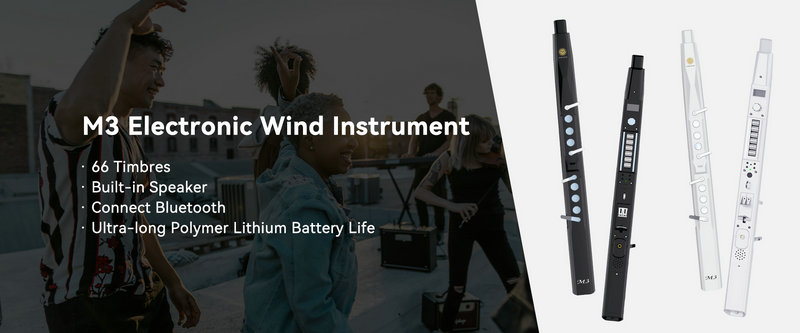
SUNRISE MELODY M3 Electronic Wind Instrument - The best-selling Electronic Wind Instrument
. 66 Timbres
. Built-in Speaker
. Connect Bluetooth
. Ultra-long Polymer Lithium Battery Life