


What details should be paid attention to when adjusting the embouchure for playing the electric saxophone?
When adjusting the embouchure for playing the electric saxophone, several important details need to be considered to achieve the best possible sound quality and playing experience.
First and foremost, understanding the anatomy and function of the embouchure is crucial. The embouchure consists of the lips, teeth, tongue, and jaw muscles. Each of these elements plays a specific role in producing sound on the electric saxophone. The lips provide the seal around the mouthpiece and control the flow of air. The teeth help to support the lips and provide stability. The tongue is used for articulation and can affect the tone and attack of the notes. The jaw muscles control the tension and position of the mouth.
One of the key details to pay attention to is the position of the mouthpiece on the lips. The mouthpiece should be placed in the center of the lips, with the upper and lower lips evenly surrounding it. Avoid placing the mouthpiece too far to one side or the other, as this can cause uneven sound production and difficulty in controlling the instrument. Experiment with different positions to find the one that feels most comfortable and produces the best sound.
The tension of the lips is another important detail. The lips should be firm but not overly tense. Too much tension can lead to fatigue and a strained sound. On the other hand, too little tension can result in a weak and unsteady tone. Find a balance between firmness and relaxation by gradually increasing the tension until you achieve a clear and stable sound.
The shape of the lips is also significant. Some players prefer a more rounded shape, while others use a flatter or more pointed shape. Experiment with different lip shapes to see which one works best for you. Keep in mind that the shape may need to be adjusted depending on the style of music being played and the desired sound.
The alignment of the teeth is another factor to consider. The teeth should be slightly apart, allowing the air to flow freely through the mouth. If the teeth are clenched together, it can restrict the air flow and affect the sound. Make sure the upper and lower teeth are aligned properly to ensure a smooth and consistent air stream.
The use of the tongue is an important detail for articulation. The tongue should be used to start and stop the notes cleanly and precisely. Different articulation techniques, such as tonguing, slurring, and staccato, require different uses of the tongue. Practice these techniques to develop control and clarity in your playing.
Breathing is also closely related to the embouchure. A proper breathing technique provides the necessary air support for a good sound. Take deep breaths from the diaphragm, filling the lungs completely. As you exhale, use the embouchure to control the flow of air and maintain a steady pressure. Coordinate your breathing with your playing to ensure a continuous and consistent sound.
Another detail to pay attention to is the position of the head and neck. Keep your head and neck in a natural and relaxed position. Avoid tilting the head too far forward or backward, as this can affect the alignment of the mouthpiece and the flow of air. A proper head position allows for better control and comfort while playing.
Finally, practice and patience are essential when adjusting the embouchure. It may take time to find the right combination of details that works for you. Be consistent in your practice and experiment with different adjustments to gradually improve your embouchure and playing. Listen carefully to your sound and make adjustments based on what you hear. Seek feedback from a teacher or experienced player to get additional insights and guidance.
In conclusion, adjusting the embouchure for playing the electric saxophone requires attention to many details. By understanding the anatomy and function of the embouchure, experimenting with different positions, tensions, shapes, and techniques, and practicing consistently, you can develop a good embouchure and achieve a better sound quality and playing experience. Remember to be patient and persistent, and don't be afraid to make adjustments as you progress in your playing.
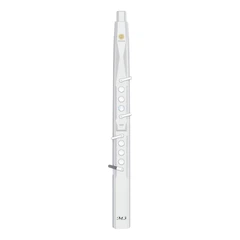
SUNRISE MELODY M1 Electronic Wind Instrument
. Revisit the passion and dreams of youth
. M1 electric clarinet wind instrument -- The good news for beginners
. Rich and diverse timbres
. Powerful functions and easy operation
. Perfect after-sales service
