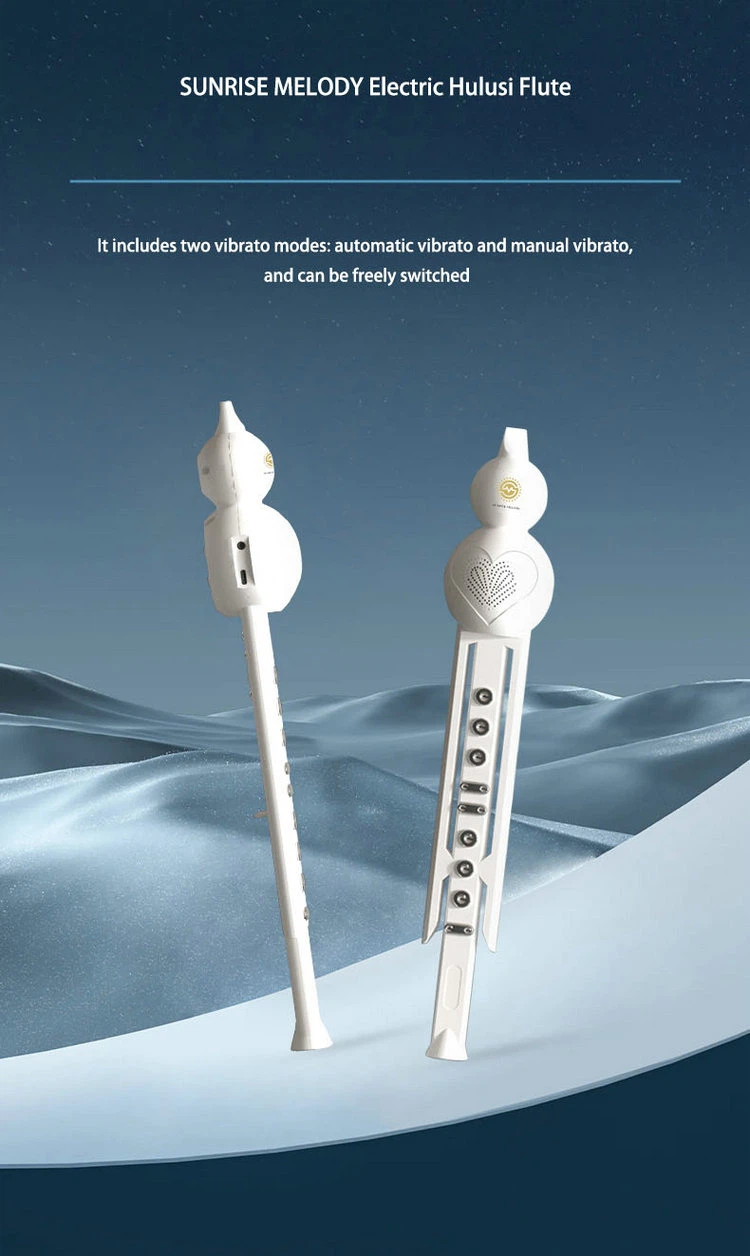

The Chinese Hulusi, also known as the "gourd flute," is a traditional Chinese musical instrument with a unique charm and cultural significance. Here are two unique features of the Hulusi, explored in detail:
1. Unique Construction and Sound Production
Construction: The Hulusi is constructed in a way that sets it apart from many other wind instruments. It typically consists of a gourd, which serves as the resonator, and bamboo pipes that are inserted into the gourd. The main pipe has finger holes for playing melodies, while the side pipes produce continuous bass notes, providing a harmonic background.
Sound Production: The sound of the Hulusi is produced by a free reed enclosed in the mouthpiece. When air is blown into the mouthpiece, the reed vibrates, creating sound waves that travel down the instrument's body and resonate within the gourd. This unique construction allows the Hulusi to produce a soft, mellow, and somewhat haunting sound that is both soothing and expressive.
Cultural Significance: The Hulusi's sound is deeply rooted in Chinese culture, particularly among the ethnic minorities in Yunnan Province. Its music often carries cultural narratives and emotional stories, making it a powerful tool for emotional expression in traditional and folk music.
Modern Developments: With advancements in technology and craftsmanship, the Hulusi has been modernized, with new materials and designs introduced to improve its playability and sound quality. Electronic enhancements have also been made, creating the electronic Hulusi, which can produce a wider range of sounds and is suitable for various musical genres.
2. Expressive Techniques and Playing Methods
Breath Control: One of the key techniques for playing the Hulusi is breath control. Players must learn to modulate their breath to control the volume and expressiveness of the sound. The breathiness of the Hulusi can add a layer of warmth and depth to the music, making it suitable for conveying tender and introspective emotions.
Finger Techniques: Finger techniques are crucial for playing melodies on the Hulusi. Players cover and uncover the finger holes on the main pipe to produce different pitches. Agility and precision of the fingers are essential for executing quick and accurate movements, allowing for the performance of intricate patterns and ornaments.
Vibrato: Vibrato is a technique where slight variations in pitch are applied to a note, adding emotion and character to the sound. Mastering vibrato on the Hulusi can enhance the emotional depth of the music, making it more lively and passionate or somber and melancholic, depending on the context.
Articulation: Articulation in Hulusi playing refers to the clarity, stress, and shape of musical phrases. Players use various articulation techniques, such as staccato, legato, and accents, to shape musical phrases and convey different moods.
Dynamics: The dynamics of the Hulusi, or the variation in volume from soft to loud, are controlled through the combination of breath control and embouchure adjustments. Players must be able to modulate their dynamics to express the full range of emotions in the music.
Glissando: Glissando, or the sliding from one pitch to another, is another technique that can be used on the Hulusi to create a smooth transition between notes and add a sense of fluidity to the music.
Technological Advancements: With the advent of electronic Hulusi, players have access to a wider range of sounds and effects. These technological advancements provide new opportunities for creative expression while maintaining the instrument's traditional essence.
Global Reach: As the Hulusi gains international recognition, players and composers worldwide are incorporating it into diverse musical contexts. This global reach showcases the instrument's versatility and adaptability.
Preservation of Traditional Techniques: While embracing modern techniques, it is also crucial to preserve the traditional playing methods of the Hulusi. This balance ensures the instrument's continued cultural relevance and musical richness.
In conclusion, the Hulusi's unique construction and expressive techniques, along with its adaptability to modern advancements, make it a beloved instrument in Chinese music and beyond. Its enchanting sound and the emotional depth it can convey have captured the hearts of musicians and audiences worldwide. As the Hulusi continues to be played and appreciated globally, it stands as a testament to the enduring beauty and cultural significance of traditional Chinese musical instruments.
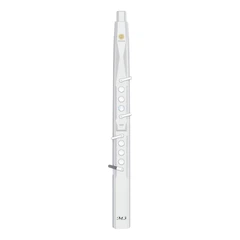
SUNRISE MELODY Electric hulusi flute instrument
Chinese hulusi flute instrument flute instrument it has a unique ethnic style and is extremely ethnic.
And it has a good volume and 10 timbres, it is easy to learn and simple to use, especially suitable for beginners.
6 Major Core Selling Points, a variety of innovative functions to meet different performance needs:
10 kinds of timbres
Touchable octave
Connect headphones
Four fingerings
Built-in battery
Built-in speakers