

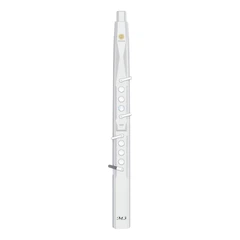

The saxophone, whether in its traditional form or as an electric variant, is an instrument with remarkable musical expressiveness. Each has its own unique characteristics that contribute to the rich tapestry of musical possibilities. In this essay, we will explore the similarities and differences in musical expressiveness between electric saxophones and traditional saxophones.
I. Introduction
The saxophone has a long and storied history in the world of music. Invented by Adolphe Sax in the 19th century, the traditional saxophone has become an essential instrument in various musical genres, from jazz and classical to pop and rock. In recent years, the emergence of the electric saxophone has added a new dimension to the saxophone family, offering musicians a different set of tools for musical expression.
II. Similarities in Musical Expressiveness
Versatility in Genres
Both electric and traditional saxophones are highly versatile instruments that can be used in a wide range of musical genres. Traditional saxophones are known for their ability to adapt to different styles, from the smooth and soulful sounds of jazz to the powerful and majestic tones of classical music. Similarly, electric saxophones can be used in a variety of genres, including electronic music, pop, and fusion. Their versatility allows musicians to explore different musical landscapes and express themselves in diverse ways.
Emotional Range
Both types of saxophones have the ability to convey a wide range of emotions. The warm and rich tone of the traditional saxophone can evoke feelings of melancholy, joy, passion, and nostalgia. Electric saxophones, although often associated with more modern and edgy sounds, can also express deep emotions. Through the use of different playing techniques and effects, musicians can create music that touches the hearts of listeners and stirs their emotions.
Solo and Ensemble Playing
Whether in a solo performance or as part of an ensemble, both electric and traditional saxophones can shine. In a solo setting, the saxophone can be a powerful vehicle for self-expression, allowing the musician to showcase their technical skills and musical creativity. In an ensemble, the saxophone can blend with other instruments to create a harmonious and rich musical texture. Both types of saxophones can contribute to the overall musical dynamic and add depth and color to the performance.
III. Differences in Musical Expressiveness
Sound Characteristics
One of the most obvious differences between electric and traditional saxophones is their sound characteristics. Traditional saxophones produce a natural, acoustic sound that is rich in overtones and harmonics. The sound is warm, organic, and has a certain depth and resonance that is unique to acoustic instruments. On the other hand, electric saxophones produce a synthesized sound that can be manipulated and customized using various electronic effects. The sound can range from smooth and mellow to harsh and distorted, depending on the settings and effects used.
Playing Techniques
The playing techniques for electric and traditional saxophones also differ to some extent. Traditional saxophones rely on breath control, embouchure, and finger dexterity to produce sound. Musicians must master the art of controlling their breath to create different dynamics and tones. In addition, traditional saxophones offer a wide range of playing techniques such as vibrato, glissando, and trills, which add expressiveness to the music. Electric saxophones, on the other hand, often have additional controls and features such as buttons for changing pitches, effects pedals for adding distortion or reverb, and MIDI interfaces for connecting to other electronic devices. These features allow musicians to create unique sounds and effects that are not possible with traditional saxophones.
Portability and Versatility
Electric saxophones are generally more portable and versatile than traditional saxophones. They are often lighter in weight and can be easily transported to different locations. In addition, electric saxophones can be connected to amplifiers, speakers, and other electronic devices, allowing musicians to perform in a variety of settings and venues. Traditional saxophones, on the other hand, are larger and heavier, and may require more setup and maintenance. However, their acoustic nature gives them a certain charm and authenticity that cannot be replicated by electric instruments.
Audience Appeal
The audience appeal of electric and traditional saxophones can also vary. Traditional saxophones are often associated with classic and timeless music, and may appeal to audiences who appreciate the beauty and elegance of acoustic instruments. Electric saxophones, on the other hand, are more likely to attract younger audiences and those who are interested in modern and experimental music. The unique sounds and effects of electric saxophones can create a more immersive and engaging listening experience, especially in live performances.
IV. Conclusion
In conclusion, electric saxophones and traditional saxophones both offer unique and powerful forms of musical expression. While they share some similarities in terms of versatility, emotional range, and solo/ensemble playing, they also have distinct differences in sound characteristics, playing techniques, portability, and audience appeal. Musicians can choose the instrument that best suits their musical style and creative vision, and use it to express themselves in ways that are both personal and meaningful. Whether it's the warm and natural sound of a traditional saxophone or the cutting-edge sounds of an electric saxophone, the saxophone family continues to inspire and captivate musicians and audiences alike.
SUNRISE MELODY M1 Electronic Wind Instrument
. Revisit the passion and dreams of youth
. M1 electric clarinet wind instrument -- The good news for beginners
. Rich and diverse timbres
. Powerful functions and easy operation
. Perfect after-sales service
