


The reverb effect plays a significant role in electric saxophone playing, enhancing the overall musical experience and adding depth and dimension to the sound. Here are some of the key roles that reverb can have in electric saxophone performances.
I. Creating a Sense of Space
One of the primary functions of reverb is to create a sense of space. By simulating the reflections of sound in different environments, reverb can make the electric saxophone seem as if it is being played in a large concert hall, a small club, or an outdoor amphitheater. This can add a sense of grandeur and expansiveness to the music, making it more immersive for the listener.
For example, a long reverb decay time with a high diffusion setting can create the impression of a vast, cathedral-like space. This can be particularly effective for slow, melancholic pieces, where the added spaciousness can enhance the emotional impact. On the other hand, a shorter reverb with a lower diffusion can mimic the sound of a smaller room, giving the music a more intimate feel.
II. Enhancing Dynamics
Reverb can also enhance the dynamics of electric saxophone playing. By adding a subtle amount of reverb, soft passages can be made to sound more delicate and airy, while louder passages can gain more power and presence. This can help to create a more dynamic range in the music, adding contrast and interest.
For instance, when playing a soft, lyrical melody, a light reverb can make the notes seem to float in the air, creating a dreamy and ethereal quality. As the music builds in intensity, the reverb can be adjusted to match, adding more body and resonance to the sound. This can make the climactic moments of a piece more impactful and exciting.
III. Blending with Other Instruments
In a band or ensemble setting, reverb can help the electric saxophone blend in with other instruments. By using a similar reverb setting for all the instruments, a cohesive sonic environment can be created, making the music sound more unified and harmonious.
For example, if the drums and bass are playing in a room with a certain amount of natural reverb, adding a similar reverb to the electric saxophone can help it fit in with the overall sound. This can prevent the saxophone from sounding too dry or out of place, and can make the entire ensemble sound more polished and professional.
IV. Adding Emotional Impact
Reverb can also add emotional impact to electric saxophone playing. Different reverb settings can evoke different moods and emotions, from sadness and longing to joy and excitement. By choosing the right reverb parameters, musicians can enhance the emotional content of their music and connect with the audience on a deeper level.
For instance, a deep, rich reverb with a long decay time can create a sense of nostalgia and melancholy, perfect for a slow ballad. On the other hand, a bright, lively reverb with a short decay time can add a sense of energy and enthusiasm, suitable for an upbeat jazz number. By using reverb to enhance the emotional tone of the music, musicians can create a more powerful and engaging performance.
V. Experimentation and Creativity
Finally, reverb can be a tool for experimentation and creativity in electric saxophone playing. Musicians can explore different reverb settings and combinations to create unique sounds and textures that are not possible with a dry saxophone sound. This can lead to new musical ideas and expressions, expanding the creative possibilities of the instrument.
For example, by using a reverse reverb effect, where the reverb builds up before the note is played, a surreal and otherworldly sound can be created. Or by combining different reverb types, such as plate reverb and spring reverb, unique sonic landscapes can be crafted. The possibilities are endless, and reverb can be a source of inspiration for musicians looking to push the boundaries of their art.
In conclusion, the reverb effect has many important roles in electric saxophone playing. From creating a sense of space and enhancing dynamics to blending with other instruments and adding emotional impact, reverb can greatly enhance the musicality and expressiveness of the instrument. Whether used subtly or boldly, reverb is a powerful tool that every electric saxophone player should explore and experiment with.
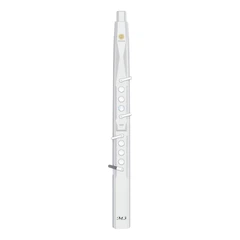
SUNRISE MELODY M1 Electronic Wind Instrument
. Revisit the passion and dreams of youth
. M1 electric clarinet wind instrument -- The good news for beginners
. Rich and diverse timbres
. Powerful functions and easy operation
. Perfect after-sales service
