
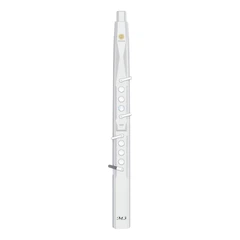


The digital saxophone is a unique and exciting instrument that combines traditional saxophone playing techniques with modern digital technology. Whether you are a beginner or an experienced musician, learning to play the digital saxophone can be a rewarding and fulfilling experience. However, like any instrument, there are certain precautions you should take to ensure a safe and successful learning process. In this article, we will discuss the precautions for learning digital saxophone.
I. Choosing the Right Instrument
The first step in learning digital saxophone is to choose the right instrument. There are many different models and brands of digital saxophones available on the market, each with its own unique features and capabilities. When choosing a digital saxophone, consider the following factors:
Sound Quality
The sound quality of a digital saxophone is one of the most important factors to consider. Look for an instrument that produces a rich, full-bodied sound that is similar to that of a traditional saxophone.
Listen to audio samples or try out different models in person to get a sense of the sound quality before making a purchase.
Features and Functions
Digital saxophones come with a variety of features and functions, such as built-in effects, MIDI connectivity, and programmable presets. Consider which features are important to you and choose an instrument that meets your needs.
Some digital saxophones also have additional features such as wireless connectivity or the ability to record and playback your performances.
Build Quality and Durability
Since digital saxophones are often more expensive than traditional saxophones, it is important to choose an instrument that is well-built and durable. Look for an instrument that is made from high-quality materials and has a solid construction.
Check the reviews and ratings of different models to get an idea of their build quality and durability.
Price
Digital saxophones can range in price from a few hundred dollars to several thousand dollars. Set a budget before you start shopping and look for an instrument that offers the best value for your money.
Consider buying a used instrument or renting one to see if you like it before making a significant investment.
II. Learning the Basics
Once you have chosen the right digital saxophone, it is important to learn the basics of playing the instrument. This includes understanding the different parts of the saxophone, learning how to hold and position the instrument correctly, and developing proper breathing and embouchure techniques. Here are some tips for learning the basics of digital saxophone:
Take Lessons
Consider taking lessons from a qualified saxophone teacher who has experience teaching digital saxophone. A teacher can provide personalized instruction and feedback, help you develop good playing habits, and answer any questions you may have.
You can also find online lessons and tutorials that can be a useful supplement to in-person lessons.
Practice Regularly
Like any instrument, practice is essential for learning digital saxophone. Set aside regular practice time each day and stick to a consistent practice schedule.
Start with simple exercises and gradually work your way up to more complex pieces. Focus on developing good technique and tone quality.
Use a Metronome
A metronome is a useful tool for developing a steady rhythm and timing. Use a metronome when practicing to help you stay in time and improve your sense of rhythm.
Start with a slow tempo and gradually increase the speed as you become more comfortable.
Listen to Music
Listen to music played by professional saxophonists to get inspiration and learn new techniques. Pay attention to the tone quality, phrasing, and expression of the musicians and try to incorporate these elements into your own playing.
III. Caring for Your Instrument
Proper care and maintenance of your digital saxophone is essential for ensuring its longevity and performance. Here are some tips for caring for your instrument:
Clean Your Instrument Regularly
Clean your digital saxophone after each use to remove any dirt, moisture, or debris. Use a soft cloth or cleaning swab to wipe down the body, keys, and mouthpiece.
Avoid using harsh chemicals or abrasives that can damage the finish of your instrument.
Store Your Instrument Properly
When not in use, store your digital saxophone in a case or on a stand to protect it from damage. Keep it in a dry, cool place away from direct sunlight and heat sources.
Avoid leaving your instrument in a car or other extreme temperatures, as this can cause damage to the instrument.
Have Your Instrument Serviced Regularly
Have your digital saxophone serviced by a professional technician at least once a year. This can include cleaning, adjusting the keys and mechanism, and checking for any damage or wear.
Regular servicing can help ensure that your instrument is in top condition and performing at its best.
IV. Avoiding Common Mistakes
When learning digital saxophone, it is important to avoid common mistakes that can hinder your progress and cause frustration. Here are some common mistakes to watch out for:
Poor Posture and Technique
Poor posture and technique can lead to discomfort, injury, and poor tone quality. Make sure to hold the instrument correctly, maintain good posture, and use proper breathing and embouchure techniques.
Seek feedback from a teacher or experienced player to ensure that your technique is correct.
Overplaying
Overplaying can cause fatigue, strain, and damage to your instrument. Avoid playing for extended periods without taking breaks and listen to your body to avoid overexertion.
Start with short practice sessions and gradually increase the duration as you build up your stamina.
Neglecting Maintenance
Neglecting maintenance of your instrument can lead to problems such as stuck keys, leaks, and poor sound quality. Make sure to clean and service your instrument regularly to keep it in top condition.
Keep spare reeds, mouthpieces, and other accessories on hand in case of emergencies.
Comparing Yourself to Others
Comparing yourself to others can be demotivating and lead to feelings of inadequacy. Remember that everyone learns at their own pace and focus on your own progress and improvement.
Celebrate your achievements and don't be too hard on yourself when you make mistakes.
In conclusion, learning digital saxophone can be a fun and rewarding experience, but it is important to take certain precautions to ensure a safe and successful learning process. Choose the right instrument, learn the basics, care for your instrument properly, and avoid common mistakes to make the most of your digital saxophone journey. With dedication, practice, and patience, you can become a proficient digital saxophone player and enjoy the many benefits of playing this unique and exciting instrument.
SUNRISE MELODY M1 Electronic Wind Instrument
. Revisit the passion and dreams of youth
. M1 electric clarinet wind instrument -- The good news for beginners
. Rich and diverse timbres
. Powerful functions and easy operation
. Perfect after-sales service


