
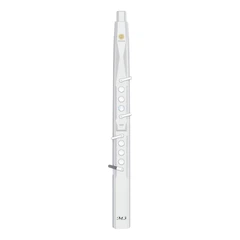


Musical Styles and Characteristics of the Electric Saxophone
The electric saxophone is a remarkable instrument that combines the traditional charm of the saxophone with modern electronic capabilities. Its unique features have led to a wide range of musical styles and characteristics that have made it a favorite among many musicians.
I. Traditional Saxophone Foundation
At its core, the electric saxophone still retains many of the characteristics of the traditional saxophone.
1. Rich and Warm Tones
The electric saxophone can produce the same rich, warm, and mellow tones that are characteristic of the acoustic saxophone. These tones are the result of the instrument's design, which allows for the creation of a complex sound wave through the vibration of the reed and the column of air inside the instrument. Whether it's a tenor saxophone's deep, soulful sound or a soprano saxophone's bright and piercing tone, the electric version can capture and enhance these qualities. For example, in a jazz ballad, the electric saxophone can produce a smooth, velvety sound that is both soothing and emotionally engaging, similar to the way a traditional saxophone would in a classic jazz performance.
2. Expressive Articulation
Like its acoustic counterpart, the electric saxophone offers a wide range of articulations. Musicians can use techniques such as tonguing (both single and double tonguing), slurring, and flutter - tonguing to add expressiveness to their playing. These articulations allow for a great deal of flexibility in shaping the musical phrases. In a bebop - style performance, for example, the rapid-fire single - tonguing on the electric saxophone can create a sense of excitement and energy, just as it does on a traditional saxophone in a similar jazz context.
II. Electronic Enhancements and Their Impact on Style
1. Diverse Sound Modulations
One of the most significant advantages of the electric saxophone is its ability to produce a vast array of sound modulations. Through built - in effects or external pedals and processors, musicians can change the timbre of the instrument in real - time.
Distortion: The electric saxophone can achieve a distorted sound, similar to that of an electric guitar. This effect adds a gritty, edgy quality to the music and is often used in rock - influenced saxophone solos. For instance, in a fusion of rock and jazz, the distorted electric saxophone can cut through the mix with a powerful, almost aggressive sound, creating a high - energy performance.
Reverb and Delay: Reverb and delay effects can give the impression of a larger space or a more ethereal sound. These effects are commonly used in ambient and new - age music styles. The electric saxophone, with its ability to add reverb and delay, can create a dreamy, otherworldly atmosphere. A slow, melodic line with a long reverb tail can sound as if it's echoing in a vast cathedral or a far - off valley.
Filtering and Wah - Wah: Filtering and wah - wah effects can modify the frequency spectrum of the sound. The wah - wah effect, in particular, can create a vocal - like quality, as if the saxophone is "talking." This effect is often used in funk and R&B music, where the saxophone can play a rhythmic and groovy role. In a funk - inspired performance, the wah - wah - modulated electric saxophone can add a funky, dance - inducing rhythm to the music.
2. Synthesized Sounds and Hybrid Tones
The electric saxophone can also produce synthesized sounds or blend with other electronic sounds to create hybrid tones.
Synthesized Timbres: It can mimic the sounds of other instruments such as strings, brass, or even non - traditional electronic sounds. This allows the saxophonist to expand their sonic palette beyond the traditional saxophone sounds. In an electronic music composition, the electric saxophone might produce a sound that resembles a synthesized pad, adding a new layer of texture to the music.
Hybrid Tones: By combining the natural saxophone sound with electronic sounds, musicians can create unique hybrid tones. For example, a saxophone melody over a pulsating electronic dance music (EDM) beat can result in a fusion of organic and electronic elements. This hybrid style is becoming increasingly popular in contemporary music, as it bridges the gap between traditional acoustic music and modern electronic music.
III. Musical Styles Associated with the Electric Saxophone
1. Jazz and Fusion
The electric saxophone has a strong presence in the world of jazz and its fusion sub - genres.
Traditional Jazz: In traditional jazz settings, the electric saxophone can offer a modern twist. It can still play the classic bebop and swing melodies with the same level of sophistication as an acoustic saxophone. However, its electronic capabilities allow for more flexibility in terms of sound shaping. For example, a jazz musician might use a subtle chorus effect to add a bit of shimmer to their solo during a slow - tempo ballad.
Jazz - Fusion: This genre combines jazz with elements of rock, funk, and other styles. The electric saxophone is a perfect fit for jazz - fusion, as it can handle the complex rhythms and harmonies of jazz while also incorporating the edgier sounds of rock and the groovy elements of funk. A fusion performance might feature a saxophone solo with a distorted tone over a driving rock - influenced rhythm section, followed by a funky, wah - wah - modulated saxophone riff that gets the audience dancing.
2. Rock and Pop
In rock and pop music, the electric saxophone has found a unique niche.
Rock: The electric saxophone can add a melodic and sometimes soaring element to rock music. In classic rock anthems, it can play a memorable solo that cuts through the heavy guitar riffs and thundering drums. The distorted sound of the electric saxophone can blend well with the power - chord - driven rock sound, adding a different tonal texture. For example, in a progressive rock song, the electric saxophone might play a complex, multi - phased solo that builds in intensity and showcases the instrument's ability to handle both melodic and technical demands.
Pop: In pop music, the electric saxophone is often used to add a touch of sophistication or a catchy hook. It can play a simple, yet memorable melody that becomes the centerpiece of a pop song. Pop ballads can benefit from the electric saxophone's warm and expressive tones, while up - tempo pop songs can use its energetic sound to create a lively and engaging atmosphere.
3. Electronic and Ambient
The electric saxophone's ability to produce and blend with electronic sounds makes it a natural choice for electronic and ambient music.
Electronic Music: In EDM genres such as house, trance, and techno, the electric saxophone can provide a human touch to the otherwise highly synthesized soundscapes. It can play a melodic line that contrasts with the repetitive beats and basslines, adding a sense of musicality and emotion. For example, in a trance track, the electric saxophone might play a soaring, ethereal melody that builds up the energy and takes the listener on an emotional journey.
Ambient Music: In ambient music, the electric saxophone's ability to create dreamy, spacey sounds through reverb and delay effects is put to great use. It can play slow, evolving melodies that blend with the background textures, creating a calm and meditative atmosphere. The electric saxophone can be the centerpiece of an ambient composition, or it can add a subtle, yet important layer of sound to an existing ambient soundscape.
In conclusion, the electric saxophone's musical styles and characteristics are a blend of the traditional saxophone's expressive capabilities and modern electronic enhancements. Its versatility allows it to fit into a wide range of musical genres, from the swinging rhythms of jazz to the high - energy world of rock and the dreamy landscapes of ambient music. As technology continues to evolve, the electric saxophone's potential for new and exciting musical expressions is likely to expand even further.
SUNRISE MELODY M1 Electronic Wind Instrument
. Revisit the passion and dreams of youth
. M1 electric clarinet wind instrument -- The good news for beginners
. Rich and diverse timbres
. Powerful functions and easy operation
. Perfect after-sales service


