


What are the factors affecting the sound quality of saxophones and electric saxophones?
The sound quality of both saxophones and electric saxophones is influenced by multiple factors. Let's explore these factors in detail.
For Traditional Saxophones:
Material and Construction:
The material used to make a saxophone has a significant impact on its sound quality. Brass is a common material for saxophones. Different alloys and grades of brass can produce different tonal qualities. Higher-quality brass often results in a richer and more resonant sound. The construction of the saxophone, including the precision of the keys, the quality of the pads, and the overall craftsmanship, also affects the sound. Tight-fitting keys and well-sealed pads ensure better airtightness, allowing for more consistent and controlled sound production.
Mouthpiece and Reed:
The mouthpiece and reed combination is crucial in determining the sound of a saxophone. Different mouthpieces have different chamber sizes, facing lengths, and tip openings. These characteristics affect the tone color, volume, and response of the instrument. A larger chamber may produce a darker and fuller sound, while a smaller chamber can offer a brighter tone. The reed, made of cane or synthetic materials, also plays a vital role. The thickness and hardness of the reed can change the sound. Thicker reeds generally produce a louder and more powerful sound, while thinner reeds may offer a softer and more delicate tone.
Player's Technique:
The skill and technique of the player have a profound influence on the sound quality. Breath control is essential. A steady and controlled breath can produce a smooth and consistent tone. The way the player articulates notes, using techniques such as tonguing and slurring, can also affect the sound. Additionally, the player's embouchure, or the way the lips and mouth are positioned on the mouthpiece, can greatly alter the tone. A proper embouchure allows for better control of pitch, volume, and tone color.
Environment and Maintenance:
The environment in which the saxophone is played can affect its sound quality. Playing in a large, acoustically resonant space can enhance the sound, while playing in a small, cramped room may make the sound seem muffled. Regular maintenance of the saxophone is also important. Cleaning the instrument, replacing worn-out pads, and adjusting the keys can ensure that it continues to produce good sound.
For Electric Saxophones:
Digital Signal Processing (DSP):
The quality of the digital signal processing in an electric saxophone is a major factor in its sound quality. DSP algorithms can simulate various acoustic saxophone sounds as well as create unique electronic effects. High-quality DSP can produce realistic and rich sounds with good tonal balance and dynamic range. The ability to adjust parameters such as reverb, delay, and distortion can also enhance the sound and allow for more creative expression.
Speakers and Amplification:
The quality of the speakers or amplification system used with an electric saxophone can greatly affect the sound. Good speakers can reproduce the sound accurately with clear highs, full mids, and deep lows. The amplifier's power and tonal controls also play a role. Adjusting the volume, tone, and EQ settings can shape the sound to suit different musical styles and performance environments.
Pickup System:
The pickup system in an electric saxophone is responsible for converting the mechanical vibrations of the instrument into an electrical signal. The quality and sensitivity of the pickup can affect the sound quality. A high-quality pickup can capture the nuances of the player's performance and transmit a clear and accurate signal to the amplification system.
Player's Interaction with Electronics:
Just as with traditional saxophones, the player's technique and interaction with the instrument's electronics can influence the sound quality. Understanding how to use the various controls and effects on the electric saxophone can lead to more expressive and dynamic performances. Experimenting with different settings and combinations of effects can create unique sounds and textures.
In conclusion, the sound quality of both saxophones and electric saxophones is determined by a combination of factors related to the instrument itself, the accessories used, the player's technique, and the environment. Whether it's the material and construction of a traditional saxophone or the digital signal processing and amplification of an electric saxophone, each factor plays a crucial role in shaping the final sound. By understanding these factors and making informed choices, musicians can achieve the best possible sound quality from their instruments.
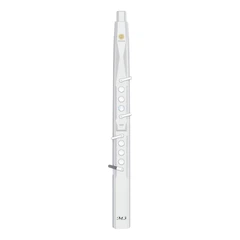
SUNRISE MELODY M1 Electronic Wind Instrument
. Revisit the passion and dreams of youth
. M1 electric clarinet wind instrument -- The good news for beginners
. Rich and diverse timbres
. Powerful functions and easy operation
. Perfect after-sales service


