
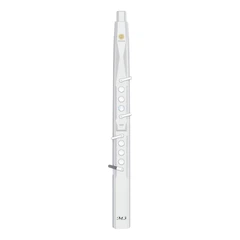


The following are the differences in the sound characteristics of sunrise melody M3 and M5 electric wind instruments:
### Number and types of sounds
- **M3**: Built-in 66 sounds, covering ethnic sounds, Western sounds and electronic sounds, including some common traditional instrument sounds, such as trombones.
- **M5**: With 88 sounds, it is richer in variety than M3, providing more choices for players, and also has a wider coverage in simulating traditional instrument sounds.
### Fidelity of simulating traditional instrument sounds
- **M3**: Within its price range, it has a certain performance in simulating traditional instrument sounds, but the overall fidelity is relatively limited. For example, when simulating the saxophone sound, it can present basic sound characteristics, but there is still some gap with the real saxophone in details and charm. For some professional players or users with high requirements for sound, it may feel imperfect.
- **M5**: As a relatively high-end model, the fidelity of simulating traditional instrument sounds has been significantly improved. Taking the bamboo flute timbre as an example, M5 can more accurately restore the crisp and bright timbre characteristics of the bamboo flute, and is more delicate in breath control and timbre changes, which is closer to the performance effect of the real bamboo flute.
### Fullness of timbre
- **M3**: The fullness of the timbre is average, and the performance in the mid-high range is acceptable, but it may appear relatively thin in the bass range, lacking some thickness and three-dimensionality. For example, when playing some songs that require deep bass support, the performance of M3 may be slightly insufficient.
- **M5**: The timbre is good, and the timbre of each range is relatively more balanced and rich. The bass range is more stable and thick, which can add more layers and emotional expression to the performance; the treble range is bright without losing roundness, with better penetration and expression.
### Performance of characteristic timbre
- **M3**: Its suona timbre has a certain degree of recognition, which can show the high-pitched and loud characteristics of suona, but there is still room for improvement in the delicacy of the timbre and emotional expression. For example, when playing some suona music with strong local characteristics, it may not be possible to fully show the unique charm and expressiveness of suona.
- **M5**: The special timbre such as suona timbre in the publicity is relatively better in actual performance. It can better simulate the changes and emotional colors of suona timbre, and can more vividly show the unique charm of suona in performance. For some users who want to try to play special timbre music, M5 can better meet the needs.
### Tone richness and stability
- **M3**: The timbre richness is good among electric blowpipes of the same price, but it is slightly inferior to higher-end products. In terms of range, it can meet the needs of general performance, but in some extreme ranges or special playing techniques, the timbre may be unstable. For example, when playing quickly in the high pitch area, the timbre may have some subtle changes or distortion.
- **M5**: The timbre is rich and can meet the performance needs of various styles of music. The timbre stability within the range is good. Whether in regular performance or some difficult technical performances, it can maintain a relatively stable timbre performance, providing more reliable timbre support for the performer.


