

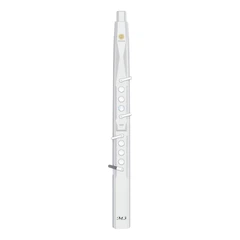

1. **Features of Breathing Control Techniques for Electric Wind Instruments*/electronic-wind-instrument/electric-saxophone-ewi.html*
- **Electronic Sensitive Sensor**: The breathing sensor inside the electric wind instrument is very sensitive and can accurately sense subtle changes in breathing. For example, a light blow can start the sound, and the volume, pitch and timbre can be quickly and delicately adjusted according to factors such as the force and speed of the blow. This high sensitivity gives the performer more possibilities in controlling the expressiveness of the music.
- **Wide Dynamic Range**: The breathing control of the electric wind instrument can achieve a wide dynamic range from very weak to very strong. By controlling the breath, the performer can easily play delicate notes at a very low volume, and can also burst out a grand and exciting sound in an instant. Compared with traditional wind instruments, this has certain advantages in the convenience of dynamic changes.
- **Combination of preset and custom**: Many electric wind instruments allow performers to preset and customize breathing control parameters. Parameters such as breathing sensitivity and force curve can be adjusted according to different playing styles, repertoire requirements or personal habits. For example, when playing classical music, the breathing control can be set more finely to meet the strict requirements of classical music for timbre and volume control.
2. **Differences and points to note in the use of breath from traditional wind instruments**
- **Relationship between breath and pitch**:
- **Traditional wind instruments**: The pitch of traditional instruments is highly dependent on breath, and slight changes in factors such as breath speed, pressure and flow may lead to changes in pitch. For example, in flute performance, changes in breath speed will directly affect the pitch. If the breath is unstable, the pitch is likely to deviate.
- **Electric blowpipe**: Electric blowpipes are assisted by electronic devices, which can compensate for pitch to a certain extent. However, this does not mean that breath can be used at will. Incorrect use of breath may cause unnatural changes in timbre or trigger some unexpected effects. Therefore, when using an electric blowpipe, you should also pay attention to keeping the breath relatively stable to obtain good timbre and pitch.
- **Difficulty of breath control**:
- **Traditional wind instruments**: The breath control difficulty of traditional wind instruments is relatively high, especially for some difficult techniques. For example, in oboe performance, it takes a long time of practice to master the correct breathing method and breath control techniques to achieve good pronunciation and timbre control.
- **Electric blowpipe**: The breath control of the electric blowpipe is relatively easier to get started, but it also requires some practice to fully utilize its performance. The focus is on how to cleverly use breath control to achieve various timbre changes and dynamic effects, rather than focusing on basic pronunciation and pitch control like traditional instruments.
- **How breath and timbre are related**:
- **Traditional wind instruments**: The timbre of traditional instruments is mainly determined by the material and structure of the instrument itself and the blowing skills of the performer. Breath mainly changes the timbre by affecting the vibration of the air column, and the timbre change rules of different instruments vary depending on the characteristics of the instrument itself. For example, the timbre change of the saxophone is closely related to many factors such as breath pressure, lip tightness, and fingering.
- **Electric blowpipe**: The timbre of the electric blowpipe is generated by electronic simulation, and breath can directly trigger different timbre change modes. For example, by changing the intensity of breathing, you can switch different timbre levels or activate built-in timbre special effects, which is very different from traditional instruments that rely on physical sound generation principles to change timbre.
3. **Methods of expressing musical emotions and dynamics through breathing control**
- **Controlling volume changes**:
- **Crescendo and diminuendo**: Crescendo and diminuendo of volume are achieved by gradually increasing or decreasing the intensity of breathing. For example, when playing a lyrical melody, start with gentle breathing and gradually increase the intensity to make the volume slowly stronger, as if the emotions are constantly accumulating and sublimating; on the contrary, in the part where the music gradually slows down, slowly reduce the intensity of breathing and let the volume gradually weaken, as if the emotions are slowly calming down.
- **Sforzando and diminuendo**: Use sudden increase or decrease in breathing intensity to create the effect of sforzando and diminuendo. This method can create strong contrast and drama in music. For example, after a calm melody, suddenly blowing hard to increase the volume sharply can bring unexpected shock to people and effectively express emotions such as excitement and tension.
- **Adjusting timbre changes**:
- **Timbre lightness and darkness conversion**: According to the needs of musical emotions, adjust the timbre lightness and darkness by changing the intensity and method of breathing. When expressing sad and melancholy emotions, use softer and slower breathing to trigger a darker and softer timbre; while in the expression of cheerful and passionate emotions, use more powerful and faster breathing to produce a bright and full timbre.
- **Mixing and switching of timbres**: Some electric blowpipes have multiple timbres, and different timbres can be mixed or switched through breathing control. For example, when playing a piece of music with rich emotional changes, you can use warm and mellow timbres in the lyrical passages, and switch to bright and brilliant timbres at the emotional climax through breathing control, so as to better show the emotional level of the music.
- **Coordinate with rhythm changes**:
- **Emphasizing rhythmic accents**: In breathing control, the rhythm of the music is highlighted by strengthening the breath strength on the rhythmic accents. For example, when playing march-style music, increase the breathing strength on the strong beat of each measure to make the notes stronger and more powerful, and enhance the power and rhythm of the music.
- **Create rhythmic tension**: Use the length and speed of breathing to coordinate with the changes in the rhythm of the music and create rhythmic tension. For example, when playing a melody with a tight rhythm, use quick and short breathing to make the music more tense and lively; and in the part with a slow rhythm, use slow and long breathing to make the music more relaxing and peaceful.
/electronic-wind-instrument/electric-saxophone-ewi.html
