


1. Sound Variety and Flexibility
- Expansive Sound Libraries
- EWIs come with extensive sound libraries that contain a vast array of instrument sounds from different cultures and musical genres. For example, a single EWI can produce sounds ranging from a classic acoustic saxophone to an exotic ethnic flute, a synthesized electronic tone, or even a string orchestra patch. This allows musicians to switch between different sounds effortlessly during a performance or composition, creating a rich and diverse sonic palette that would require a large collection of traditional wind instruments to achieve.
- Sound Modification and Effects
- The ability to modify sounds in real - time is a significant advantage. Musicians can adjust parameters such as reverb, delay, chorus, and distortion with ease. This means that a basic flute - like sound on an EWI can be transformed into a dreamy, echo - laden tone or a distorted, edgy sound for a more contemporary or experimental music style. Traditional wind instruments, while having their own unique timbres, lack this immediate and extensive sound - shaping ability without the use of external effects pedals or complex post - production techniques.
2. Playing Convenience and Adaptability
- Volume Control and Amplification
- EWIs have built - in volume controls and can be easily adjusted to different volume levels without the need for complex embouchure or breathing adjustments as in traditional wind instruments. Additionally, they can be connected directly to amplifiers or sound systems, allowing for consistent and reliable amplification. In contrast, traditional wind instruments rely on the player's physical technique to control volume, and achieving a specific volume level can be challenging, especially in different performance environments.
- Portability and Durability
- Many EWIs are designed to be lightweight and portable, often made from durable synthetic materials. This makes them easier to carry around compared to traditional wind instruments, which are usually made from more fragile materials like wood or brass. For example, a wooden flute can be damaged by changes in temperature and humidity, while an EWI is less susceptible to such environmental factors and is more likely to withstand the rigors of travel and frequent use.
- Maintenance Requirements
- Traditional wind instruments require regular maintenance such as cleaning, oiling, and pad replacement. For example, a saxophone needs to have its keys and pads maintained to ensure proper airtightness and smooth key action. EWIs, on the other hand, have fewer mechanical parts that require such intensive maintenance. The electronics within an EWI may need occasional software updates or battery replacement, but overall, the upkeep is less time - consuming and less costly.
3. Technological Integration and Creativity
- Multitimbral and Polyphonic Capabilities
- As mentioned earlier, many EWIs are multitimbral and polyphonic. This means a musician can play multiple different sounds or notes simultaneously, opening up new compositional and performance possibilities. Traditional wind instruments are mostly monophonic, limiting the range of harmonic and textural combinations that can be achieved in a single performance. The ability to play chords or complex harmonies directly on an EWI provides a distinct advantage for modern music creators.
- Connectivity and Integration with Digital Audio Workstations (DAWs)
- EWIs have excellent connectivity options. They can be easily connected to computers or other digital audio equipment via MIDI or other digital interfaces. This allows musicians to integrate the EWI with music production software, enabling them to record, edit, and sequence their performances with great ease. In a traditional wind instrument setup, additional hardware and more complex setups are often required to achieve similar integration with digital audio technology.
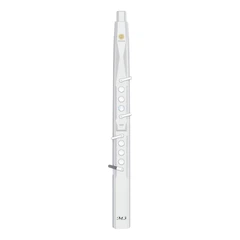
SUNRISE MELODY M3 Electronic Wind Instrument - The best-selling Electronic Wind Instrument
. 66 Timbres
. Built-in Speaker
. Connect Bluetooth
. Ultra-long Polymer Lithium Battery Life
