

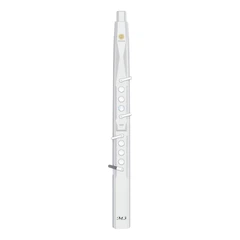

Body
Plastic
Many electronic wind instruments have a plastic body. High-quality plastics are often used to provide a lightweight and durable casing. They are easy to mold into different shapes and designs, which is beneficial for the overall aesthetics and ergonomics of the instrument. The plastic also helps to insulate the internal electronics from external factors such as moisture and physical damage.
Metal
Some upscale or more traditional-looking electronic wind instruments may have a metal body or parts. Metal can add a sense of sturdiness and a more professional appearance. For example, the mouthpiece area or certain key components may be made of metal to enhance the playing feel and durability. Common metals used include aluminum or stainless steel, which are resistant to corrosion and can withstand regular use.
Keys and Controls
Rubber or Silicone
The keys on an electronic wind instrument are often made of rubber or silicone. These materials provide a good tactile feel and are soft to the touch, making it comfortable for the player to press. They also offer a certain degree of flexibility, ensuring that the keys can be pressed with ease and can return to their original position quickly.
Plastic Buttons
In addition to the keys, the control buttons on the instrument are usually made of plastic. These buttons are used to adjust settings such as sound selection, volume, and effects. The plastic material is cost-effective and can be designed to be user-friendly, with clear markings and easy operation.
Internal Components/electronic-wind-instrument/electric-saxophone-ewi.html
Circuit Boards
The heart of the electronic wind instrument is the circuit board. It is usually made of a combination of materials such as fiberglass and copper. The fiberglass provides a stable and insulating base, while the copper traces on the board are used to conduct electrical signals. The circuit board is responsible for processing the input from the player's actions and generating the corresponding sound signals.
Sensors
Sensors are used to detect the player's finger movements and breath input. These can be made of various materials, including piezoelectric materials or Hall effect sensors. Piezoelectric sensors are sensitive to pressure and can accurately detect when a key is pressed, while Hall effect sensors are used to measure the strength of the player's breath, allowing for more realistic playing dynamics.
Mouthpiece
Resin
The mouthpiece of an electronic wind instrument is often made of resin. Resin is a synthetic material that is smooth and comfortable to hold in the mouth. It can be molded to fit the shape of the player's lips and teeth, providing a good seal for proper air flow. Additionally, resin is easy to clean and maintain, ensuring hygienic use.
In conclusion, an electronic wind instrument is composed of a variety of materials, each serving a specific purpose to ensure the instrument's functionality, durability, and playability.
M3 EWI electronic wind controller
Color: Black / White
Battery: 3.7V 2600mAh
Type: M3
Tonality: 12
Built-in speaker: 3WX1
Material: environmentally friendly plastic material
Item size: 52*57*560mm
Item weight: 500g
