


Early Beginnings
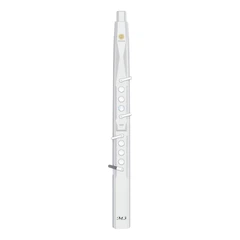
The story of EWIs begins in the late 20th century, at the intersection of wind musicianship and electronic music experimentation. More or less inspired by traditional wind instruments, its interfaces and methods of play distinguish it from what is called a "breath controller", which refers more to a simple breath sensor that can be plugged into a synthesizer. Early versions were simplistic, offering limited sound options and basic controls. However, they laid the foundation for what would become a profound transformation in wind instrument technology. These initial models provided a glimpse into the potential of combining the expressive nature of traditional wind playing with the burgeoning world of electronic sound.
Technological Advancements
A significant leap in the evolution of EWIs came with advancements in digital sound processing and sensor technology. Manufacturers began to integrate more sophisticated systems, allowing for a broader range of sounds and more nuanced control. The introduction of MIDI (Musical Instrument Digital Interface) was a game-changer, enabling EWIs to connect and communicate with other digital instruments and recording software. This technological leap expanded the capabilities of EWIs, elevating them from mere electronic novelties to serious musical instruments.