
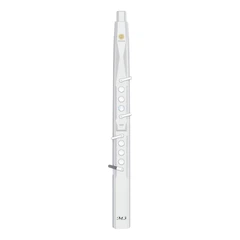


The Rich Timbres of Electronic Wind Instrument (EWI)
The electronic wind instrument (EWI) is a remarkable musical instrument that offers an extensive range of rich timbres. This unique instrument combines traditional wind instrument playing techniques with advanced electronic technology, creating a diverse sonic palette that can be explored by musicians of all levels. In this essay, we will delve into the various aspects of the EWI's rich timbres and how they can enhance musical expression.
I. Introduction
The EWI has gained popularity in recent years due to its versatility and ability to produce a wide variety of sounds. Whether you are a professional musician looking for new creative outlets or a beginner exploring the world of music, the EWI's rich timbres can inspire and captivate.
II. What Makes the EWI's Timbres Rich?
Electronic Sound Synthesis
The EWI uses electronic sound synthesis to generate its timbres. This technology allows for the creation of a vast array of sounds, from realistic imitations of traditional wind instruments to completely unique and experimental tones. By manipulating various parameters such as waveform, filter, and envelope, musicians can customize the sound to their liking.
For example, a musician can create a warm and mellow saxophone sound by adjusting the filter settings to mimic the characteristics of a real saxophone. Or, they can create a futuristic and otherworldly sound by using complex waveforms and modulation effects.
Breath and Finger Control
The EWI's unique playing mechanism allows musicians to control the sound using both breath and finger movements. This gives the instrument a level of expressiveness that is similar to traditional wind instruments but with the added flexibility of electronic control. By varying the intensity of breath and the position of fingers on the keys, musicians can shape the timbre in real-time, adding nuances and dynamics to their performances.
For instance, a gentle breath can produce a soft and delicate sound, while a strong burst of air can create a powerful and intense tone. Similarly, different finger positions can alter the pitch and timbre, allowing for complex melodic and harmonic variations.
Connectivity and Expansion
The EWI can be connected to various external devices such as computers, tablets, and MIDI controllers. This connectivity enables musicians to expand the instrument's sonic capabilities by using software synthesizers, virtual instruments, and effects processors. With the help of these tools, musicians can access an almost unlimited number of timbres and create custom sound patches that suit their specific musical needs.
For example, a musician can connect their EWI to a computer running a digital audio workstation (DAW) and use software synthesizers to create complex orchestral arrangements or electronic dance music tracks. They can also use effects processors to add reverb, delay, distortion, and other effects to enhance the timbre and create unique sonic textures.
III. Different Types of Rich Timbres on the EWI
Traditional Wind Instrument Sounds
The EWI can accurately imitate the sounds of traditional wind instruments such as saxophones, flutes, trumpets, and clarinets. These imitations are often so realistic that it can be difficult to distinguish between the EWI and a real instrument. Musicians can use these traditional timbres to play classical, jazz, and other styles of music that require the sound of specific wind instruments.
For instance, a jazz musician can use the EWI's saxophone sound to perform a solo in a traditional jazz band setting. Or, a classical flutist can use the EWI's flute sound to play a piece by Bach or Mozart.
Electronic and Synthetic Sounds
In addition to traditional wind instrument sounds, the EWI can also produce a wide variety of electronic and synthetic timbres. These sounds range from simple sine waves and square waves to complex granular synthesis and wavetable synthesis. Musicians can use these electronic timbres to create experimental music, ambient soundscapes, and electronic dance music.
For example, an electronic music producer can use the EWI's granular synthesis sound to create a textured and atmospheric background for a techno track. Or, an ambient musician can use the EWI's wavetable synthesis sound to create a dreamy and immersive soundscape.
Hybrid Sounds
The EWI also allows musicians to combine traditional wind instrument sounds with electronic and synthetic timbres to create hybrid sounds. These hybrid sounds can be a unique blend of organic and electronic elements, creating a new and exciting sonic experience. Musicians can use these hybrid timbres to push the boundaries of traditional music genres and create innovative and original compositions.
For instance, a fusion musician can combine the sound of a saxophone with a distorted electric guitar sound to create a unique blend of jazz and rock. Or, a world music artist can combine the sound of a flute with ethnic percussion sounds and electronic effects to create a global fusion sound.
IV. How to Explore and Utilize the Rich Timbres of the EWI
Experimentation and Creativity
The key to exploring and utilizing the rich timbres of the EWI is experimentation and creativity. Musicians should not be afraid to try new sounds and techniques, and should be open to exploring different musical styles and genres. By experimenting with different settings and combinations of sounds, musicians can discover new sonic possibilities and expand their musical vocabulary.
For example, a musician can start by playing a simple melody using a traditional wind instrument sound on the EWI. Then, they can gradually add electronic effects and modulation to the sound, creating a more complex and interesting texture. They can also try combining different sounds and timbres to create unique hybrid sounds.
Learning and Mastering the Instrument
To fully utilize the rich timbres of the EWI, musicians need to learn and master the instrument's playing techniques and features. This includes understanding how to control the sound using breath and finger movements, how to use the various controls and settings on the instrument, and how to connect and use external devices. By investing time in learning and practicing, musicians can develop the skills and confidence needed to explore and utilize the EWI's rich timbres effectively.
For instance, a beginner can start by learning the basic fingerings and breathing techniques on the EWI. Then, they can gradually learn how to use the instrument's built-in effects and controls, such as pitch bend, modulation, and volume. As they progress, they can learn how to connect the EWI to a computer and use software synthesizers and effects processors to expand their sonic capabilities.
Collaboration and Inspiration
Collaborating with other musicians and artists can also be a great way to explore and utilize the rich timbres of the EWI. By working with others, musicians can share ideas, learn new techniques, and be inspired by different musical perspectives. Collaboration can also lead to new musical projects and opportunities, allowing musicians to showcase their skills and creativity.
For example, an EWI player can collaborate with a guitarist, drummer, and keyboardist to form an experimental jazz fusion band. They can use the EWI's rich timbres to create unique soundscapes and improvised solos, while the other musicians add their own musical elements to the mix. Or, an EWI player can collaborate with a visual artist or filmmaker to create a multimedia performance that combines music and visuals.
V. Conclusion
The electronic wind instrument (EWI) is a truly remarkable instrument that offers an extensive range of rich timbres. Whether you are a professional musician or a hobbyist, the EWI's unique combination of traditional wind instrument playing techniques and advanced electronic technology can inspire and enhance your musical expression. By exploring and utilizing the EWI's rich timbres through experimentation, learning, and collaboration, you can unlock new creative possibilities and take your music to the next level.
SUNRISE MELODY M1 Electronic Wind Instrument
. Revisit the passion and dreams of youth
. M1 electric clarinet wind instrument -- The good news for beginners
. Rich and diverse timbres
. Powerful functions and easy operation
. Perfect after-sales service


