
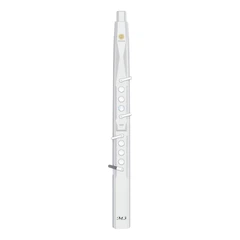


The Electric Saxophone: A World of Surprises for Beginners
The electric saxophone has emerged as a revolutionary instrument, offering a plethora of 惊喜 and opportunities for beginners in the realm of music. This article will delve deep into the various aspects that make the electric saxophone such a remarkable and exciting choice for those embarking on their musical journey.
I. Ease of Learning and Mastery
A. Simplified Playing Mechanics
Reduced Breath Control Difficulty
For beginners, one of the most challenging aspects of learning a traditional saxophone is achieving the right breath control to produce a consistent and good-quality sound. The electric saxophone, on the other hand, is more forgiving in this regard. It requires less precise breath pressure as the electronic components help to stabilize and enhance the sound output. Beginners can focus more on learning the basic notes and fingerings without being overly stressed about the nuances of breath control immediately. This allows them to get a feel for the instrument and start playing simple melodies much sooner than with a traditional saxophone.
User-Friendly Fingerings
The fingerings on an electric saxophone are typically designed to be similar to those of a traditional saxophone, which is beneficial for beginners who may have some knowledge of other wind instruments. However, the keys are often more responsive and require less force to press, making it easier for beginners to execute the finger movements smoothly. This reduced physical effort allows them to concentrate on developing muscle memory and accuracy in their finger placements, rather than struggling with stiff or unresponsive keys. As a result, beginners can progress more quickly in learning the different scales and chords, laying a solid foundation for more advanced playing in the future.
B. Intuitive Learning Aids
Built-in Tutorials and Demonstrations
Many electric saxophones come equipped with built-in tutorial features. These can include step-by-step instructions on how to hold the instrument, proper breathing techniques (although less crucial compared to traditional sax), finger placement for different notes, and even basic musical theory lessons. Some models also have pre-recorded demonstrations of popular tunes played on the electric saxophone, allowing beginners to listen and imitate, getting a better understanding of how the instrument should sound and how to play different musical phrases. These built-in learning aids provide a convenient and accessible way for beginners to learn at their own pace, without the need for additional external resources or a professional teacher in the initial stages.
Visual Feedback Systems
Some advanced electric saxophones incorporate visual feedback systems. For example, they may have LED lights on the keys that light up to indicate the correct fingerings as the beginner plays a particular note or scale. This visual cue helps beginners to quickly identify and correct any mistakes in their finger placements, enhancing their learning process and speeding up their progress. Additionally, some models may also display information about the pitch, volume, and tone quality on a small screen, providing beginners with real-time feedback on their playing performance. This allows them to make adjustments and improvements on the spot, developing a better sense of pitch accuracy and overall musicality.
II. Rich and Diverse Sound Palette
A. Wide Range of Instrumental Timbres
Saxophone Variations
The electric saxophone can accurately mimic the sounds of different types of saxophones, such as the alto, tenor, and soprano saxophones. Each of these has its own unique tonal characteristics, and beginners can explore and experiment with these different sounds to find their favorite or the one that suits a particular musical piece they want to play. For example, the alto saxophone has a warmer and more mellow tone, while the soprano saxophone has a brighter and more piercing sound. With an electric saxophone, beginners can easily switch between these sounds, expanding their musical repertoire and versatility without having to invest in multiple physical saxophones.
Beyond Saxophone Sounds
One of the most exciting features of the electric saxophone is its ability to simulate the sounds of other instruments. It can produce tones similar to a guitar, with the option of different guitar styles like acoustic or electric guitar sounds. This opens up a whole new world of musical possibilities for beginners. They can incorporate guitar-like riffs and melodies into their playing, adding a unique flavor to their performances. Additionally, the electric saxophone can also mimic the sounds of synthesizers, creating futuristic and electronic-sounding effects. This allows beginners to explore and experiment with different musical genres, from jazz and classical to electronic and pop music, all with the same instrument.
B. Creative Sound Effects
Special Effects for Enhanced Expression
The electric saxophone offers a variety of special effects that can add a new dimension to a beginner's playing. Effects like reverb, which gives the sound a sense of space and depth, can make the music sound more immersive and atmospheric. Delay effects can create an echo-like effect, adding a sense of rhythm and complexity to the notes played. Chorus effects can make the sound fuller and more harmonious, similar to the effect of multiple instruments playing in unison. These effects can be used to add emotion and drama to a performance, allowing beginners to express themselves more creatively and stand out even with their basic playing skills.
Customizable Sound Settings
Beginners can also customize the sound settings of their electric saxophone according to their personal preferences. They can adjust the parameters such as tone color, brightness, and saturation to create a unique sound that is distinct from the default settings. This level of customization gives beginners a sense of ownership and creativity over their instrument. They can develop their own signature sound as they progress in their learning journey, making their playing more personal and recognizable. For example, a beginner may prefer a warmer and softer tone for a slow ballad, and they can adjust the settings accordingly to achieve the desired effect. This ability to customize the sound not only enhances the musical experience but also encourages beginners to explore and experiment with different sonic possibilities, further deepening their understanding and appreciation of music.
III. Convenient Practice and Performance Features
A. Adjustable Volume and Silent Practice Options
Volume Control for Versatile Practice Environments
The ability to adjust the volume of the electric saxophone is a significant advantage for beginners. They can practice at a low volume when they are in a shared living space or a quiet environment, such as an apartment late at night, without disturbing others. On the other hand, when they want to feel the full impact of their playing or practice in a more open space, they can increase the volume to a level that suits their needs. This versatility in volume control allows beginners to practice more frequently and in a wider range of situations, which is crucial for improving their skills.
Silent Practice with Headphones
Many electric saxophones come with a headphone jack, enabling beginners to practice in complete silence. This is especially useful when they want to focus on their playing without any external distractions or when they need to practice at times when making noise is not appropriate, such as early in the morning or during a study session. Silent practice also allows beginners to listen more closely to the details of their playing, such as intonation, tone quality, and finger technique, as they are not affected by the ambient noise. They can use this opportunity to refine their skills and make more accurate adjustments, leading to faster progress in their learning.
B. Portable and Durable Design
Lightweight and Easy to Carry
The electric saxophone is generally lighter in weight compared to its traditional counterparts, making it highly portable for beginners. They can easily carry it to music lessons, practice sessions with friends, or even outdoor performances. Its compact size also makes it convenient to store and transport, allowing beginners to take their instrument with them wherever they go. This portability encourages beginners to practice more regularly and perform in different settings, which can boost their confidence and musical experience.
Durable Construction for Long-Term Use
Electric saxophones are often made with durable materials that can withstand the rigors of regular use. They are less susceptible to damage from changes in temperature and humidity, which are common issues with traditional wooden saxophones. The electronic components are designed to be reliable and long-lasting, reducing the need for frequent repairs or maintenance. This durability gives beginners peace of mind, knowing that they can invest in an instrument that will serve them well over a long period of time as they continue to learn and grow as musicians.
IV. Community and Learning Resources
A. Online Communities and Forums
Connecting with Fellow Beginners and Enthusiasts
The rise of the internet has led to the formation of numerous online communities and forums dedicated to the electric saxophone. Beginners can join these platforms to connect with other like-minded individuals who are also starting their journey with the instrument. They can share their experiences, ask questions, and get support and advice from others. This sense of community can be very motivating and inspiring for beginners, as they realize they are not alone in their learning process and can learn from the successes and challenges of others.
Sharing and Learning from Performance Videos
In these online communities, beginners often share their performance videos. This provides an opportunity for them to receive feedback and constructive criticism from a wider audience. They can also watch and learn from the videos of more experienced players, observing different playing styles, techniques, and interpretations. By analyzing and emulating these performances, beginners can improve their own skills and gain new ideas for their own playing. Additionally, sharing their own videos can help beginners build their confidence and develop a sense of pride in their progress, further fueling their motivation to continue learning and improving.
B. Access to Digital Sheet Music and Tutorials
Vast Library of Sheet Music
The internet offers a vast collection of digital sheet music for the electric saxophone. Beginners can easily access a wide range of musical genres, from classical to contemporary, at no or low cost. These sheet music resources often come with different levels of difficulty, allowing beginners to start with simple pieces and gradually progress to more complex ones. They can also search for specific songs or composers they are interested in, expanding their musical knowledge and repertoire.
Interactive Tutorials and Online Courses
There are numerous interactive tutorials and online courses available that are specifically designed for learning the electric saxophone. These courses can cover everything from basic fundamentals to advanced playing techniques, music theory, and improvisation. They often include video lessons, practice exercises, and quizzes to help beginners track their progress and ensure they are understanding the concepts. Some online courses also offer personalized feedback from instructors, providing beginners with more targeted guidance and support. With the flexibility of online learning, beginners can study at their own pace and fit their learning around their other commitments, making it easier to incorporate regular practice and study into their daily lives.
In conclusion, the electric saxophone brings a world of surprises and advantages to beginners. From its ease of learning and intuitive features to its rich sound palette, convenient practice options, and the availability of a supportive community and learning resources, it offers a unique and exciting pathway into the world of music. Beginners who choose the electric saxophone have the opportunity to explore their musical creativity, develop their skills at a faster pace, and enjoy the process of learning and performing in a whole new way. Whether it's for personal enjoyment, a hobby, or a potential career in music, the electric saxophone can be a valuable and inspiring instrument that opens up countless possibilities for beginners to discover and embrace the beauty of music. So, for those looking to start their musical journey, the electric saxophone is truly a wonderful choice that is sure to bring many pleasant surprises along the way.
SUNRISE MELODY M1 Electronic Wind Instrument
. Revisit the passion and dreams of youth
. M1 electric clarinet wind instrument -- The good news for beginners
. Rich and diverse timbres
. Powerful functions and easy operation
. Perfect after-sales service


