

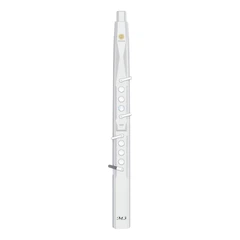

The Conveniences Brought by the Electric Saxophone
The electric saxophone has emerged as a revolutionary musical instrument in the modern era, bringing with it a plethora of conveniences that have transformed the way musicians play and audiences experience music. In this extensive exploration, we will delve deep into the various conveniences offered by the electric saxophone.
I. Portability
One of the most significant advantages of the electric saxophone is its remarkable portability. Traditional saxophones, while beautiful instruments, can be bulky and heavy, making them somewhat cumbersome to transport. In contrast, electric saxophones are often designed to be lightweight and compact. Musicians can easily carry them in a small case or backpack, allowing for greater mobility and the ability to take their music on the go.
This portability opens up a world of opportunities for musicians. They can perform in a variety of locations without the hassle of lugging around a heavy instrument. Whether it's a street performance, a small gig at a coffee shop, or a impromptu jam session with friends in a park, the electric saxophone makes it possible to bring music to any place.
Moreover, for traveling musicians, the electric saxophone is a game-changer. It can be easily packed in luggage and taken on airplanes, trains, or buses without the worry of excessive baggage fees or damage during transit. This allows musicians to perform in different cities or countries, expanding their reach and sharing their music with a wider audience.
II. Versatility in Sound
The electric saxophone offers an extraordinary range of sound possibilities, providing musicians with a high degree of versatility. Unlike traditional saxophones that have a relatively fixed sound character, electric saxophones can be connected to various effects pedals and digital audio workstations, enabling musicians to create a vast array of sounds.
With the use of effects such as reverb, delay, distortion, and wah-wah, musicians can transform the sound of their electric saxophone to suit different musical styles and genres. For example, a smooth reverb can add a dreamy and atmospheric quality to a jazz piece, while a heavy distortion can give a rock or metal track a powerful and edgy sound.
Furthermore, electric saxophones can be easily integrated into electronic music productions. Musicians can use MIDI controllers to trigger different sounds and samples, creating complex and layered musical compositions. This versatility in sound allows musicians to explore new creative territories and push the boundaries of traditional saxophone playing.
III. Amplification and Volume Control
Another major convenience of the electric saxophone is its built-in amplification or the ability to be easily connected to an amplifier. Traditional saxophones rely on acoustic projection, which can be limited in certain environments. In large venues or noisy settings, it can be difficult for the sound of a traditional saxophone to be heard clearly.
With an electric saxophone, musicians can adjust the volume to suit the needs of different performance spaces. Whether it's a small intimate gathering or a large concert hall, the electric saxophone can be amplified to ensure that the music reaches every corner of the room. This also allows for better control over the overall sound balance, as musicians can blend their sound with other instruments or adjust the volume to stand out when needed.
Moreover, the amplification feature of the electric saxophone makes it possible to perform with other electronic instruments or backing tracks. Musicians can create a full-band sound with just one instrument, adding depth and richness to their performances. This is particularly useful for solo performers or small ensembles who want to achieve a big sound without the need for a large number of musicians.
IV. Practice and Learning Opportunities
The electric saxophone also offers several conveniences for practice and learning. Many electric saxophones come with built-in metronomes and tuners, which are essential tools for musicians to improve their timing and intonation. These features make it easier for beginners to develop good playing habits and for experienced musicians to refine their skills.
In addition, electric saxophones can be connected to headphones, allowing musicians to practice without disturbing others. This is especially beneficial for those living in apartments or shared spaces where noise can be a concern. Musicians can practice at any time of the day or night, without worrying about bothering neighbors or roommates.
Furthermore, there are numerous software applications and online resources available for electric saxophone players. These resources offer tutorials, sheet music, and backing tracks, providing a wealth of learning materials and opportunities for musicians to improve their playing. With the help of these tools, musicians can learn at their own pace and explore different musical styles and techniques.
V. Cost-Effectiveness
Compared to traditional saxophones, electric saxophones can be a more cost-effective option for many musicians. While high-quality traditional saxophones can be extremely expensive, electric saxophones often come at a lower price point. This makes them more accessible to beginners or those on a tight budget.
In addition, the maintenance costs of electric saxophones are generally lower. Traditional saxophones require regular servicing and maintenance, such as pad replacements and adjustments, which can be costly. Electric saxophones, on the other hand, do not have as many mechanical parts that need regular maintenance, reducing the overall cost of ownership.
Moreover, electric saxophones can be a more sustainable option in the long run. They do not require the use of reeds, which are consumable items and can add up in cost over time. This not only saves money but also reduces waste and environmental impact.
VI. Innovation and Future Potential
The electric saxophone represents a significant innovation in the world of music, and its potential for future development is vast. As technology continues to advance, we can expect even more features and conveniences to be added to electric saxophones.
For example, with the development of wireless technology, electric saxophones may become completely wireless, allowing for even greater freedom of movement during performances. Additionally, advancements in artificial intelligence and machine learning could lead to the creation of intelligent electric saxophones that can adapt to a musician's playing style and provide personalized feedback and suggestions.
The electric saxophone also has the potential to bridge the gap between traditional and electronic music, creating new hybrid musical forms and genres. Musicians can experiment with combining the organic sound of the saxophone with electronic elements, pushing the boundaries of musical creativity and innovation.
In conclusion, the electric saxophone brings a multitude of conveniences to musicians and music lovers alike. Its portability, versatility in sound, amplification capabilities, practice and learning opportunities, cost-effectiveness, and innovation potential make it a valuable instrument in the modern musical landscape. Whether you are a professional musician looking for new creative outlets or a beginner just starting out on your musical journey, the electric saxophone offers a world of possibilities and conveniences that are sure to enhance your musical experience.
SUNRISE MELODY M1 Electronic Wind Instrument
. Revisit the passion and dreams of youth
. M1 electric clarinet wind instrument -- The good news for beginners
. Rich and diverse timbres
. Powerful functions and easy operation
. Perfect after-sales service
