
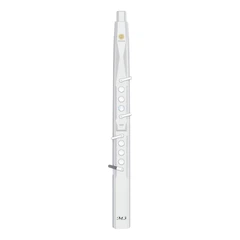


The portability of the electric saxophone has had a profound impact on music creation, opening up new avenues and possibilities for musicians. Here are some cases that illustrate this influence.
Case 1: The Traveling Musician
Meet Alex, a passionate musician who loves to explore different cultures and landscapes. Before discovering the electric saxophone, Alex struggled with transporting his traditional saxophone while traveling. The bulky instrument and its case were not only heavy but also took up a significant amount of space, making it difficult to fit in his luggage and move around easily.
However, once Alex got his hands on an electric saxophone, everything changed. The lightweight and compact design of the electric saxophone allowed him to pack it easily in his backpack and take it with him on his adventures. Whether he was hiking in the mountains, strolling along the beach, or exploring a new city, Alex could always pull out his electric saxophone and start creating music inspired by his surroundings.
During his travels, Alex encountered a wide variety of musical traditions and styles. The portability of his electric saxophone enabled him to collaborate with local musicians in different places. For example, in a small village in South America, he joined a group of traditional musicians playing indigenous instruments. By incorporating his electric saxophone into their music, Alex created a unique fusion that brought together different cultures and sounds. This experience not only broadened his musical horizons but also inspired him to incorporate these new influences into his own compositions.
Back home, Alex continued to draw on his travel experiences and the inspiration he gained from using his portable electric saxophone. His music became more diverse and rich, reflecting the different cultures and landscapes he had encountered. The portability of the electric saxophone had allowed him to break free from the limitations of traditional music creation and explore new territories, ultimately leading to a more creative and fulfilling musical journey.
Case 2: The Busking Artist
Sarah is a street performer who makes a living by playing music on the streets. For a long time, she used a traditional saxophone for her performances. While she loved the sound of the instrument, she found it challenging to transport it around the city. She had to carry a heavy case and often had trouble finding a convenient place to store it while performing.
When Sarah discovered the electric saxophone, it was a game-changer for her. The portability of the instrument allowed her to move around more freely and set up quickly in different locations. She could easily carry her electric saxophone in a small bag and be ready to perform within minutes.
With her newfound mobility, Sarah started exploring different parts of the city for her busking performances. She discovered new audiences and venues that she had never considered before. For example, she started performing in parks, at outdoor markets, and near subway stations. The portability of the electric saxophone enabled her to reach a wider range of people and share her music with a more diverse audience.
In addition to the increased mobility, the electric saxophone also offered Sarah new creative possibilities. She could connect it to a small amplifier and use various effects pedals to create unique sounds. This allowed her to experiment with different styles and genres, adding a fresh twist to her performances. The feedback from her audiences was overwhelmingly positive, and she soon gained a reputation as an innovative and engaging busking artist.
The portability of the electric saxophone had not only transformed Sarah's busking career but also inspired her to be more creative and adventurous in her music. She continued to explore new sounds and techniques, using her portable instrument as a tool for self-expression and connection with others.
Case 3: The Collaborative Musician
David is a professional musician who often collaborates with other artists from different musical backgrounds. Before using an electric saxophone, he found it difficult to coordinate rehearsals and performances with his collaborators due to the logistical challenges of transporting his traditional saxophone.
However, once he started using an electric saxophone, the portability of the instrument made it much easier for him to meet up with his collaborators and work on projects. He could simply pack his electric saxophone in a small case and bring it to any location for rehearsals or performances.
One of David's most memorable collaborations was with an electronic music producer. They decided to create a live performance that combined the sound of the electric saxophone with electronic beats and samples. The portability of David's electric saxophone allowed them to perform in unconventional venues such as art galleries, warehouses, and outdoor festivals. This unique setting added a new dimension to their music and created an immersive experience for the audience.
During the collaboration, David also discovered the versatility of the electric saxophone. He could connect it to different digital devices and use software to manipulate the sound in real-time. This allowed him to experiment with different effects and textures, creating a sound that was both organic and electronic. The portability of the instrument enabled him to explore these new creative possibilities and push the boundaries of his music.
The collaborative experience with the electric saxophone had a significant impact on David's music career. It opened up new opportunities for him to work with different artists and explore different genres. The portability of the instrument had made it possible for him to be more spontaneous and flexible in his collaborations, leading to more creative and exciting musical projects.
Case 4: The Bedroom Producer
Emily is an aspiring musician who loves to create music in her bedroom. She has always been fascinated by the sound of the saxophone but was hesitant to invest in a traditional instrument due to the space and cost limitations.
When Emily discovered the electric saxophone, she was immediately drawn to its portability and affordability. She could easily set up her electric saxophone in her small bedroom studio and start creating music without taking up too much space.
The portability of the electric saxophone also allowed Emily to experiment with different recording techniques. She could take her instrument to different locations around her house or even outdoors and record unique sounds and ambiances. This added a new layer of creativity to her music production process.
In addition to recording, Emily also used her electric saxophone to collaborate with other musicians online. She could connect with other artists from around the world and share her music through digital platforms. The portability of the instrument made it easy for her to participate in online collaborations and expand her musical network.
The electric saxophone had become an essential tool for Emily's music creation journey. Its portability had allowed her to pursue her passion for music in a small space and on a budget. It had also opened up new opportunities for her to collaborate with others and share her music with a wider audience.
In conclusion, these cases demonstrate the significant impact that the portability of the electric saxophone can have on music creation. Whether it's for traveling musicians, busking artists, collaborative projects, or bedroom producers, the portability of the electric saxophone offers new possibilities for self-expression, creativity, and connection. As technology continues to advance, we can expect even more innovative and portable musical instruments to emerge, further transforming the way we create and experience music.
SUNRISE MELODY M1 Electronic Wind Instrument
. Revisit the passion and dreams of youth
. M1 electric clarinet wind instrument -- The good news for beginners
. Rich and diverse timbres
. Powerful functions and easy operation
. Perfect after-sales service


