
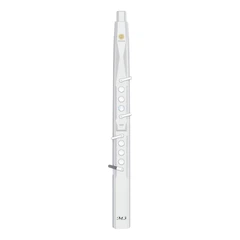


Key Points of Learning Electric Saxophone
The electric saxophone is a unique and exciting instrument that combines the traditional charm of the saxophone with modern electronic technology. Learning to play the electric saxophone can be a rewarding experience, but it requires dedication and the right approach. Here are some key points to keep in mind when learning this instrument.
I. Understanding the Instrument
Before you start learning to play the electric saxophone, it's essential to understand its features and how it differs from a traditional saxophone. The electric saxophone typically has a more lightweight design, often made of materials like plastic or composite materials. It also has electronic components that allow for a wide range of sounds and effects.
Familiarize yourself with the different parts of the electric saxophone, including the mouthpiece, keys, body, and any additional controls such as buttons or knobs for adjusting volume, tone, and effects. Take some time to explore the instrument's capabilities by playing different notes and experimenting with the various settings.
II. Developing Proper Breath Control
Just like with a traditional saxophone, breath control is crucial for playing the electric saxophone. Good breath control allows you to produce a steady stream of air, which is essential for creating a consistent tone and volume.
Start by practicing deep breathing exercises to increase your lung capacity. When playing, focus on breathing from your diaphragm rather than shallow chest breathing. This will give you more control over the air flow and help you produce a stronger sound.
Practice long tones to develop your breath control. Play a single note for an extended period, maintaining a steady volume and tone. Gradually increase the length of time you can hold a note without wavering in volume or pitch.
III. Mastering Finger Technique
The electric saxophone uses a similar fingering system to a traditional saxophone, but there may be some differences depending on the model. Spend time learning the correct finger positions for each note and practice moving between notes smoothly.
Start with simple exercises that focus on individual fingers and gradually progress to more complex patterns. Practice scales and arpeggios to improve your finger dexterity and accuracy. Use a metronome to keep a steady tempo and ensure that your fingers are moving in time.
IV. Exploring Sound and Effects
One of the unique features of the electric saxophone is its ability to produce a wide variety of sounds and effects. Take some time to explore the different settings on your instrument and experiment with different combinations of tones and effects.
Some electric saxophones come with built-in effects such as reverb, delay, and distortion. Learn how to use these effects to add depth and texture to your playing. You can also use external effects pedals or software to further expand your sonic palette.
Experiment with different playing styles and techniques to create unique sounds. For example, try using vibrato, glissando, or growling to add expression to your playing.
V. Practicing Regularly
Consistent practice is essential for learning any instrument, and the electric saxophone is no exception. Set aside regular practice time each day and stick to a schedule. Even short practice sessions can be beneficial if done consistently.
During your practice sessions, focus on specific areas that need improvement. For example, if you're having trouble with a particular scale or fingering pattern, spend extra time working on that area. Record yourself playing and listen back to identify areas where you can improve.
VI. Learning from Others
There are many resources available for learning the electric saxophone. Look for online tutorials, instructional videos, and music books that can help you improve your skills. Join a music community or take lessons from a qualified instructor to get personalized feedback and guidance.
Attend concerts and listen to other electric saxophone players to gain inspiration and learn new techniques. You can also collaborate with other musicians to expand your musical horizons and develop your skills through group playing.
VII. Developing Musicality
In addition to technical skills, it's important to develop your musicality when learning the electric saxophone. Listen to a wide variety of music and analyze the different elements such as melody, harmony, rhythm, and dynamics. Try to incorporate these elements into your own playing to create more expressive and engaging music.
Practice improvisation to develop your creativity and musical intuition. Start with simple melodies and gradually build up to more complex improvisations. Listen to other improvisers and learn from their techniques and approaches.
VIII. Taking Care of Your Instrument
Proper care and maintenance of your electric saxophone will ensure that it performs well and lasts for a long time. Keep your instrument clean by wiping it down after each use and storing it in a case when not in use.
Check the instrument regularly for any signs of damage or wear and have it serviced by a professional if needed. Keep the batteries charged if your electric saxophone is battery-powered and make sure all the connections are secure.
In conclusion, learning to play the electric saxophone requires patience, dedication, and a willingness to explore and experiment. By focusing on these key points, you can develop your skills and enjoy the unique sounds and capabilities of this exciting instrument.
SUNRISE MELODY M1 Electronic Wind Instrument
. Revisit the passion and dreams of youth
. M1 electric clarinet wind instrument -- The good news for beginners
. Rich and diverse timbres
. Powerful functions and easy operation
. Perfect after-sales service


