
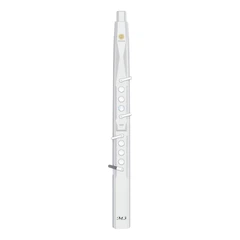


Is the key layout of the electric saxophone the same as that of the traditional saxophone?
The electric saxophone and the traditional saxophone, while both instruments that produce beautiful music, do have some differences and similarities when it comes to their key layouts.
The traditional saxophone has a well-established and recognizable key layout that has evolved over many years. It typically consists of a series of keys, including tone holes covered by pads, which are operated by the player's fingers to produce different notes. The keys are arranged in a way that allows for smooth and intuitive fingering, enabling musicians to play a wide range of melodies and harmonies.
On the other hand, the electric saxophone may have a key layout that is similar in some respects to the traditional saxophone but can also differ in several ways. One of the main differences is that the electric saxophone often incorporates electronic components and controls that may affect the overall design and layout of the keys.
In some cases, electric saxophones may have additional buttons or controls that are not present on traditional saxophones. These could be used to adjust settings such as volume, tone, or effects. For example, there might be a dial or button to switch between different sound presets or to add reverb or distortion. These extra controls can give the player more creative options but may also change the overall feel and layout of the instrument.
However, despite these differences, many electric saxophones still strive to maintain a familiar fingering layout to make it easier for traditional saxophone players to transition to the electric version. This can be beneficial for musicians who are already accustomed to playing the traditional instrument and want to explore the capabilities of the electric saxophone without having to completely relearn their fingering.
The key layout of an electric saxophone can also vary depending on the manufacturer and the specific model. Some electric saxophones may be designed to closely mimic the key layout of a particular type of traditional saxophone, such as the alto or tenor saxophone. This can make it easier for players who are familiar with that specific traditional instrument to adapt to the electric version.
On the other hand, some manufacturers may take a more innovative approach and design electric saxophones with unique key layouts that are optimized for specific playing styles or musical genres. For example, an electric saxophone designed for electronic music or jazz fusion might have a different key layout that allows for easier access to certain notes or chords commonly used in those styles.
Another factor that can influence the key layout of an electric saxophone is the intended use of the instrument. If the electric saxophone is primarily designed for live performances, it may have a layout that is more ergonomic and easy to access quickly during a performance. This could include larger keys or buttons that are easier to press under stage lighting conditions or a layout that allows for seamless switching between different settings without interrupting the flow of the performance.
In contrast, an electric saxophone designed for studio recording or practice may have a more detailed and complex key layout with more options for fine-tuning the sound. This could include additional controls for adjusting the intonation or adding subtle nuances to the tone.
In conclusion, while there are some similarities between the key layouts of electric saxophones and traditional saxophones, there are also significant differences. The key layout of an electric saxophone can vary depending on factors such as the presence of electronic controls, the manufacturer's design choices, the intended use of the instrument, and the specific playing style or musical genre. However, many electric saxophones do attempt to maintain a degree of familiarity with the traditional saxophone key layout to make it easier for musicians to transition between the two. As technology continues to advance and the demand for innovative musical instruments grows, we can expect to see even more variations and developments in the key layouts of electric saxophones in the future.
SUNRISE MELODY M1 Electronic Wind Instrument
. Revisit the passion and dreams of youth
. M1 electric clarinet wind instrument -- The good news for beginners
. Rich and diverse timbres
. Powerful functions and easy operation
. Perfect after-sales service


