
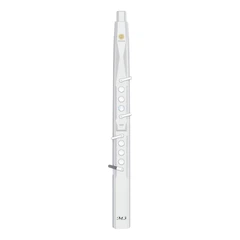


The degree of timbre restoration of electric wind instruments /electronic-wind-instrument/electric-saxophone-ewi.htmlvaries depending on factors such as brand, model, price, etc., and there is usually a certain gap compared with real instruments, as follows:
1. **Timbre richness**:
- **Electric wind instruments**: Generally speaking, electric wind instruments can simulate the timbre of a variety of instruments. Some high-end models of electric wind instruments can provide hundreds or even more timbre options, including various wind instruments such as saxophones, trumpets, flutes, etc., as well as the timbre of some string instruments and plucked instruments, etc., with a high timbre richness.
- **Real instruments**: The timbre of real instruments is unique and irreplaceable. For example, the timbre of the saxophone is warm, mellow and expressive. Its unique timbre characteristics are determined by the material, structure and playing method of the saxophone; while the timbre of the flute is crisp, bright and has strong penetration. The timbre of each real instrument has its own unique frequency range, harmonic structure and timbre characteristics, which are difficult for electric wind instruments to fully simulate.
2. **Details of timbre**:
- **Electric blowpipe**: Electric blowpipes simulate timbre through electronic technology, and some details may be missing. For example, in the process of simulating the playing of wind instruments, the breath changes of real instruments, the control of lips and other subtle operations will have a subtle effect on the timbre, and the simulation of electric blowpipes in this regard may not be fine enough to fully restore these subtle timbre changes. For example, when playing saxophone, real instruments can produce rich timbre changes by controlling the strength of breath and changes in mouth shape, such as from soft pianissimo to strong fortissimo, while electric blowpipes may not be accurate enough in expressing these subtle changes in intensity.
- **Real instruments**: The timbre details of real instruments are very rich. Taking string instruments as an example, when playing violins, performers can produce a variety of timbres through different bowing methods, fingering methods and intensity control. For example, the unique timbre effects brought by techniques such as vibrato and glissando are difficult for electric blowpipes to fully simulate. Even for the same instrument, each instrument has its own unique timbre characteristics due to different manufacturing materials and processes, while the timbre of the electric blowpipe is relatively uniform.
3. **Sound quality**:
- **Electric blowpipe**: The sound of the electric blowpipe is converted from electronic signals, and its sound quality may be affected by factors such as the quality of electronic components and audio processing technology. Some low-end electric blowpipes may have problems such as unclear sound quality and timbre distortion, while high-end electric blowpipes will have a significant improvement in sound quality, but it still cannot be compared with the natural sound quality of real instruments.
- **Real instruments**: The sound quality of real instruments is more natural and real. For example, the sound quality of woodwind instruments is usually warm and soft, while the sound quality of brass instruments is louder and more powerful. The sound quality of real instruments is determined by many factors such as the material, structure and performance environment of the instrument itself. The propagation and resonance of its sound are also different from those of electric blowpipes, so it has unique advantages in sound quality.
However, for most people, the tone of mid-to-high-end electric trumpets can already meet the needs of daily performance and entertainment. In addition, electric trumpets have the advantages of being easy to learn, easy to carry, and having diverse functions. They still have a wide range of applications in the fields of music performance and entertainment.
/electronic-wind-instrument/electric-saxophone-ewi.html


