
Playing the hulusi flute instrument, a traditional Chinese wind instrument, requires a combination of proper breath control, finger dexterity, and an understanding of its unique fingering techniques. Here's a detailed exploration of how to play the hulusi flute instrument in terms of technique and fingering:
Breath Control:
Players must learn to control their breath, using the strength and direction of the airflow to produce different pitches and dynamics. The "wind door" (风门), or the gap between the lips around the mouthpiece, changes with the pitch, being smaller for lower notes and larger for higher notes.
Embouchure:
The embouchure involves positioning the lips around the mouthpiece, which is crucial for producing a clear and focused sound. The lips should not be too tight or too loose to allow for a good seal and ease of tone production.
Fingering Techniques:
The hulusi flute instrument's finger holes are covered and uncovered in various combinations to produce different notes. The fingers should be relaxed and flexible to move quickly between holes.
Basic Fingering Positions:
The most common fingering position is when the fundamental tone of the instrument is considered the fifth note (5) in the scale. This fingering is used in over 70% of the pieces and is a good starting point for beginners.
Advanced Fingerings:
There are various other fingering positions such as when the fundamental tone is considered the first (1), second (2), third (3), fourth (4), sixth (6), and flat seventh (b7) notes in the scale. These are used for playing different musical pieces and expanding the instrument's range.
Articulation:
Techniques such as "spit tonguing" (吐音), where the tongue is used to articulate notes, are essential for clear and crisp playing. This technique can be further divided into single, double, and triple spit tonguing for various rhythmic effects.
Vibrato:
Applying vibrato (颤音) to notes adds expressiveness and warmth to the sound. It is achieved by rapidly and evenly altering the pitch of a note by partially opening and closing the holes.
Grace Notes:
Grace notes (叠音) are used to add a decorative effect to the main notes. They are played very quickly before the main note and can enhance the melody's fluidity and expressiveness.
Practice and Mastery:
To master a piece of music on the hulusi flute instrument, players should start by choosing a suitable piece, understanding its structure and emotional content, and then breaking down the piece into smaller sections for focused practice.
Technique and Expression:
Players should work on their breath control, articulation, and fingering techniques to ensure accuracy and musicality. Integrating the piece smoothly, listening to recordings for feedback, and infusing emotion into the performance are also key steps in the learning process.
Performance Preparation:
Preparing for a performance involves simulating stage conditions and gaining experience through practical performances to build confidence and stage presence.
The hulusi flute instrument's unique construction and playing techniques offer a wealth of expressive possibilities. Musicians who invest time in mastering its techniques will be rewarded with an instrument capable of conveying a wide range of emotions and musical styles.
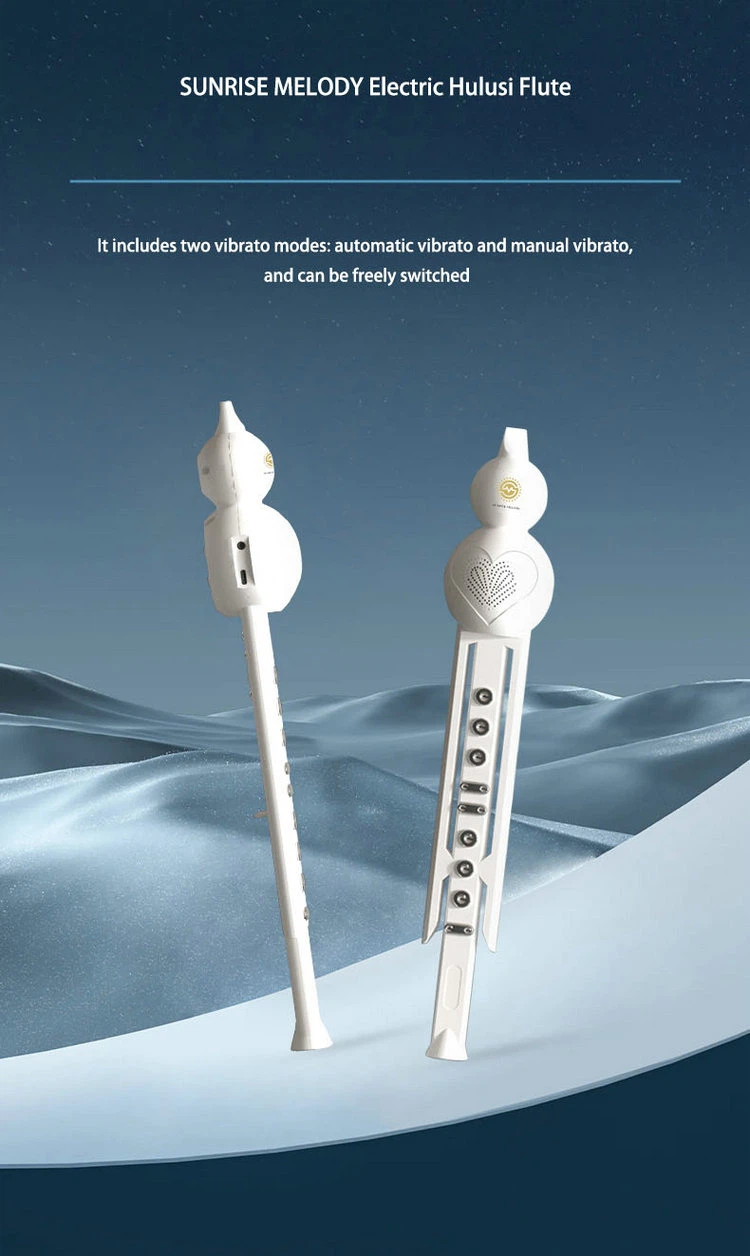
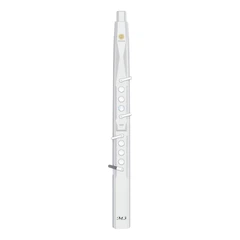
SUNRISE MELODY Electric hulusi flute instrument
Chinese hulusi flute instrument flute instrument it has a unique ethnic style and is extremely ethnic.
And it has a good volume and 10 timbres, it is easy to learn and simple to use, especially suitable for beginners.
6 Major Core Selling Points, a variety of innovative functions to meet different performance needs:
10 kinds of timbres
Touchable octave
Connect headphones
Four fingerings
Built-in battery
Built-in speakers