
Electronic wind instruments have evolved over time in the following ways:
Early Development (1970s):
Inspiration from Traditional Wind Instruments: The concept of electronic wind instruments emerged as an attempt to combine the playing style and feel of traditional wind instruments with the capabilities of electronic technology. Musicians and inventors were inspired by the rich history and playing techniques of traditional wind instruments like the saxophone, flute, and trumpet, aiming to create a new kind of instrument that could offer unique sounds and features.
Birth of Early Models: In this period, the Lyricon was one of the first notable electronic wind instruments. It laid the foundation for the development of this category of instruments, demonstrating the possibility of using electronics to simulate the sounds and playing experience of wind instruments. For example, it allowed musicians to produce a wide range of sounds that were difficult to achieve with traditional instruments alone.
Advancement in the 1980s:
Popularization by Prominent Musicians: American saxophone player Michael Brecker played a crucial role in popularizing electronic wind instruments in the 1980s. His performances using these instruments showcased their potential and attracted the attention of many musicians and music lovers, leading to an increased interest in their development and use.
Improvement in Sound Quality and Expressiveness: With the progress of electronic technology, the sound quality of electronic wind instruments improved significantly. They were able to produce more realistic and diverse sounds, closely resembling the timbre of traditional wind instruments while also offering new and unique electronic sound effects. This enhanced the expressiveness of the instruments, allowing musicians to explore a wider range of musical styles and creative possibilities.
Technological Innovations in the Late 20th and Early 21st Centuries:
Integration with Digital Technology: In the late 20th century and early 21st century, the rapid development of digital technology had a profound impact on electronic wind instruments. They became more integrated with digital systems, enabling seamless connection with other electronic devices such as computers, synthesizers, and digital audio workstations. This allowed musicians to manipulate and process the sounds of the instruments in real-time, further expanding their creative potential.
Enhanced Control and Responsiveness: Advances in sensor technology and instrument design led to improved control and responsiveness of electronic wind instruments. Sensors became more sensitive to the player's breath pressure, pitch control, and other playing gestures, making the instruments more intuitive and responsive to the musician's intentions. This made it possible for players to achieve more nuanced and expressive performances.
Expansion of Functionality: Modern electronic wind instruments often come with a variety of built-in functions and features, such as multiple sound presets, effects processing, and the ability to store and recall personalized settings. These features not only make the instruments more convenient to use but also provide musicians with more tools to create unique musical expressions.
Continuous Evolution in Recent Years:
Miniaturization and Portability: As technology has advanced, electronic wind instruments have become more miniaturized and portable. This makes them more accessible and convenient for musicians to carry and use in different settings, such as on stage, in the studio, or for outdoor performances. For example, some electronic saxophones and flutes are now designed to be lightweight and compact, while still maintaining high-quality sound and performance4.
Customization and Personalization: With the development of software and firmware, musicians can now customize and personalize their electronic wind instruments to a greater extent. They can modify the instrument's sound parameters, create their own sound presets, and even develop custom firmware to suit their specific playing styles and musical needs.
Increased Use in Various Musical Genres: Electronic wind instruments have found their way into a wider range of musical genres beyond their initial applications in jazz and experimental music. They are now used in pop, rock, electronic dance music, and even in film and game soundtracks, adding unique sonic elements to different types of music.
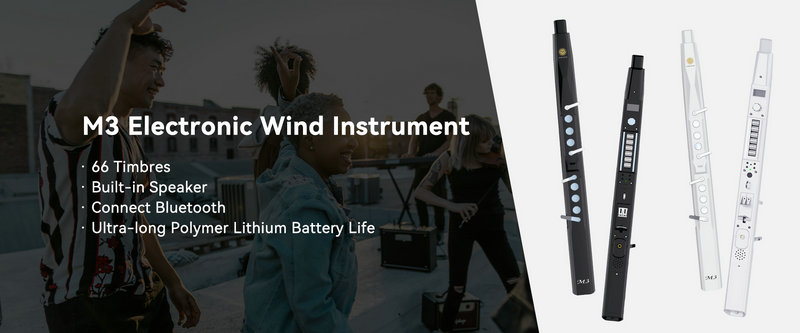
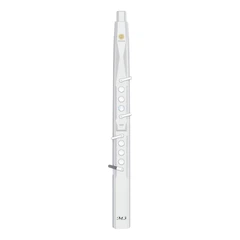
SUNRISE MELODY M3 Electronic Wind Instrument - The best-selling Electronic Wind Instrument
. 66 Timbres
. Built-in Speaker
. Connect Bluetooth
. Ultra-long Polymer Lithium Battery Life