

The electronic alto saxophone and the traditional alto saxophone have several key differences:
Sound Generation:
Traditional alto saxophone: Produces sound through the vibration of a reed against the mouthpiece when the player blows air. The resonance of the instrument's body and the interaction of the player's technique contribute to the rich and complex acoustic tone.
Electronic alto saxophone: Utilizes sensors to detect the player's actions and converts them into digital signals that trigger pre-programmed or customizable electronic sounds. The sound is created electronically and can range from emulations of traditional saxophone tones to a vast array of synthetic and unconventional sounds.
Portability and Setup:
Traditional alto saxophone: Is larger and bulkier, often requiring a case for transportation. It needs to be assembled (attaching the neck to the body, etc.) before playing.
Electronic alto saxophone: Generally more compact and lightweight, making it easier to carry. It often connects directly to a power source or uses rechargeable batteries and can be played with minimal setup.
Amplification and Sound Projection:
Traditional alto saxophone: Sound projection depends on the player's embouchure and the acoustic properties of the instrument. To be amplified for larger venues, additional microphones and amplification systems are needed.
Electronic alto saxophone: Can be directly connected to an amplifier or sound system, and volume and tone adjustments can be made easily through onboard controls or software.
Maintenance and Upkeep:
Traditional alto saxophone: Requires regular maintenance such as reed replacement, pad adjustments, and occasional cleaning and lubrication to ensure optimal performance.
Electronic alto saxophone: Typically involves less mechanical maintenance but may require software updates and occasional checks of the sensors and connections.
Expression and Dynamics:
Traditional alto saxophone: Offers a wide range of natural expression and dynamic control based on the player's breath control, embouchure changes, and finger technique.
Electronic alto saxophone: While it can simulate some of these dynamics, the electronic response might have certain limitations compared to the organic feel of a traditional instrument. However, it can also introduce unique forms of expression through digital effects and parameter adjustments.
For example, if you're playing a traditional alto saxophone in a small acoustic setting, the natural warmth and resonance of the instrument can create a very intimate and organic sound. On the other hand, an electronic alto saxophone might be preferred in an electronic music production context where the ability to quickly switch between different synthetic sounds and apply effects adds to the creative possibilities.
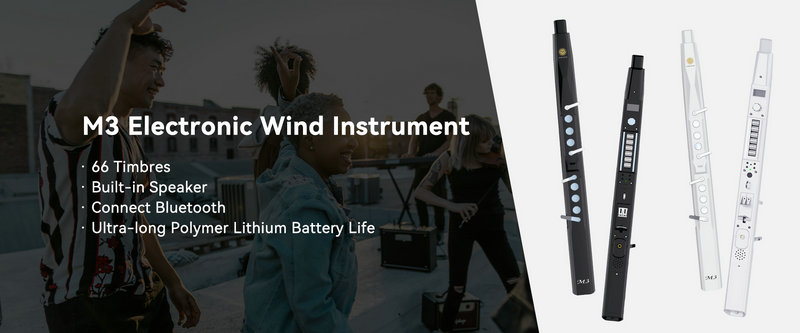
SUNRISE MELODY M3 Electronic Wind Instrument - The best-selling MIDI wind controller
. 66 Timbres
. Built-in Speaker
. Connect Bluetooth
. Ultra-long Polymer Lithium Battery Life