
The sensors in electric flutes and traditional wooden flutes serve distinct purposes and operate based on fundamentally different technologies and functionalities.
In traditional wooden flutes, there are no sensors in the typical sense. The production of sound relies purely on the player's breath, lip position, and finger manipulation. The player blows air into the mouthpiece, and by controlling the speed, force, and direction of the airflow, along with the opening and closing of finger holes, different pitches and tones are produced. The wooden material and the internal structure of the flute contribute to the resonance and timbre of the sound.
On the contrary, electric flutes incorporate sensors to detect and translate the player's actions into electrical signals that can then be processed and manipulated. These sensors come in various types and designs.
One common type of sensor found in electric flutes is the pressure sensor. These sensors measure the amount of pressure exerted by the player's fingers on the keys or pads. This pressure information is crucial as it can affect parameters such as volume, tone color, or the intensity of certain effects. For instance, a light touch might produce a soft and gentle sound, while a stronger pressure could result in a louder and more intense tone.
In contrast, traditional wooden flutes do not have this direct measurement of finger pressure influencing the sound. The player's control over volume and intensity is primarily achieved through variations in breath control.
Another type of sensor in electric flutes is the breath sensor. This sensor detects the strength and consistency of the player's breath. It allows for more nuanced control over the dynamics of the sound. A stronger breath might trigger a louder or more vibrant sound, while a softer breath can create a more delicate and subdued tone.
In a traditional wooden flute, the breath's impact on the sound is more complex and less directly measurable. The player must develop a highly refined sense of breath control through practice and experience to achieve the desired dynamics.
Position sensors are also employed in some electric flutes. They monitor the exact position of the keys or slides as they are moved by the player. This information helps determine the pitch and other tonal characteristics accurately.
Traditional wooden flutes rely on the player's precise placement of fingers on the holes to achieve the correct pitch, but there is no electronic measurement of this position.
The sensitivity and response time of the sensors in electric flutes can vary significantly. High-quality sensors offer rapid and precise responses, allowing for seamless and fluid playing. This is in contrast to the immediate and organic response of a traditional wooden flute, which is dependent on the player's physical interaction with the instrument.
The data collected by the sensors in electric flutes is then processed by onboard electronics or sent to external devices for further manipulation. This opens up a world of possibilities for sound customization, effects application, and integration with other digital music equipment.
In a traditional wooden flute, the sound is produced in its natural form, without the option for digital processing or modification.
The materials and construction of the sensors in electric flutes also differ from the components of a traditional wooden flute. Electric flute sensors are often made of advanced materials like piezoelectric elements or magnetic sensors, designed to provide accurate and reliable readings.
The maintenance and calibration of sensors in electric flutes are different tasks compared to the upkeep of a traditional wooden flute. Sensors might require occasional calibration or troubleshooting to ensure accurate performance.
In conclusion, the sensors in electric flutes introduce a level of technological sophistication and control that is fundamentally different from the natural and mechanical operation of traditional wooden flutes. Each has its unique charm and application, catering to different musical preferences and creative needs.
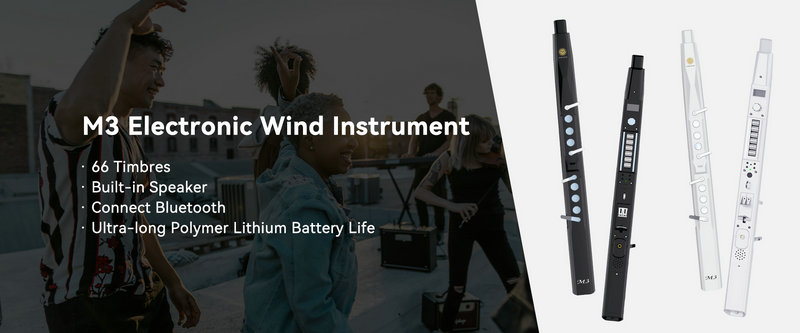
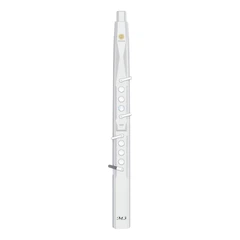
SUNRISE MELODY M3 Electronic Wind Instrument - The best-selling Electronic Wind Instrument
. 66 Timbres
. Built-in Speaker
. Connect Bluetooth
. Ultra-long Polymer Lithium Battery Life