

Electronic wind instruments (EWIs) handle breath control and dynamics in several ways:
Most EWIs have sensors that detect the pressure and speed of the player's breath. The intensity of the breath input is translated into changes in volume, allowing for dynamic expression. A stronger breath might result in a louder sound, while a softer breath creates a quieter one.
Some models also measure the consistency and steadiness of the breath to affect other parameters such as timbre or pitch bend. This can add a more nuanced and organic feel to the playing.
EWIs often come with settings or presets that allow the player to customize how breath control influences the sound. This gives musicians the flexibility to tailor the instrument's response to their playing style and the musical context.
For example, in one setting, a gentle increase in breath pressure might gradually increase the volume and add a slight vibrato. In another, a sudden strong burst of breath could trigger a special effect or a change in the sound's character.
Advanced EWIs may even have multiple sensors to capture different aspects of breath control, such as the direction or shape of the airflow, further expanding the possibilities for dynamic expression.
However, it's important to note that while EWIs can simulate breath control and dynamics to a certain extent, they might not replicate the exact subtleties and complexity of breath control as in traditional wind instruments. The player's skill and practice in manipulating the breath input are crucial for achieving a wide range of expressive playing on an EWI.
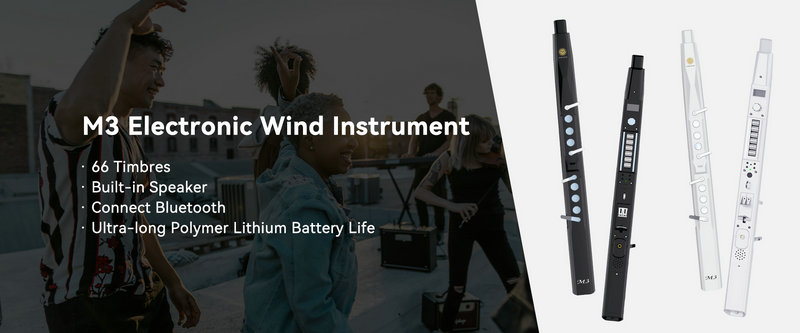
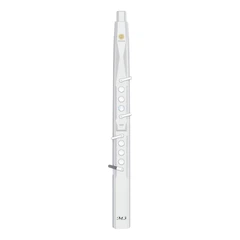
SUNRISE MELODY M3 Electronic Wind Instrument - The best-selling Electronic Wind Instrument
. 66 Timbres
. Built-in Speaker
. Connect Bluetooth
. Ultra-long Polymer Lithium Battery Life