
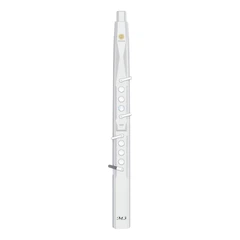


Electric wind instruments /electronic-wind-instrument/electric-saxophone-ewi.html use sensors to sense breath and fingering in the following ways:
### Breath Sensing
- **Working Principle of Airflow Sensor**: Electric wind instruments are usually equipped with airflow sensors, which are usually based on pressure difference or thermistor principles. When the player blows, the airflow enters the mouthpiece and flows to the airflow sensor through a specific channel. The pressure difference-based sensor will generate a corresponding electrical signal due to the pressure change caused by the airflow; the thermistor sensor will change its own resistance value due to the temperature change caused by the airflow, thereby generating an electrical signal. These electrical signals will be transmitted to the control circuit of the electric wind instrument.
- **Breath Control Function Implementation**: After the control circuit receives the signal from the airflow sensor, it will control the relevant parameters of the sound according to the strength and change of the signal. For example, the stronger the breath, the stronger the signal, and the greater the volume produced; and the changes in the speed of the breath can also be captured by the sensor and converted into changes in the timbre and pitch of the sound, thereby achieving control over the musical expression, such as achieving the effect of gradually increasing and decreasing by controlling the breath during performance.
### Fingering Sensing
- **Key Sensor Types and Principles**: The fingering sensing of the electric blowpipe is mainly achieved by the sensor under the key. These sensors generally include mechanical key switches, capacitive touch sensors or Hall effect sensors. Mechanical key switches are the most common type. When a finger presses a key, the mechanical structure inside the key triggers the switch to close, thereby generating an electrical signal to inform the control circuit that the key is pressed; capacitive touch sensors determine whether the key is touched and pressed by detecting the change in capacitance between the human finger and the sensor; Hall effect sensors use magnetic field changes to sense key operations. When a magnetic key approaches the Hall sensor, the change in the magnetic field causes the sensor to generate a corresponding electrical signal.
- **Fingering Recognition and Sound Response**: Different key combinations correspond to different notes and functions. When the key sensor generates an electrical signal, the control circuit will quickly identify which key or keys are pressed, and trigger the corresponding sound generator to emit the corresponding note sound according to the preset fingering rules and timbre configuration. At the same time, combined with the breath signal from the breath sensor, a complete musical sound is synthesized, allowing the performer to play various melodies and tunes through fingering operations.


