
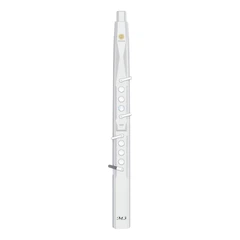


The battery of a digital saxophone is a crucial component that powers the instrument and enables its electronic functions. Proper battery maintenance is essential to ensure the longevity and reliable performance of the digital saxophone. Here are some detailed guidelines on how to maintain the battery of a digital saxophone.
I. Understanding the Battery Type
Digital saxophones typically use rechargeable lithium-ion batteries due to their high energy density, lightweight nature, and relatively long lifespan. Lithium-ion batteries offer several advantages over other battery types, making them a popular choice for portable electronic devices like digital saxophones.
High Energy Density: Lithium-ion batteries can store a large amount of energy in a relatively small and lightweight package. This allows digital saxophones to be more portable and easier to handle without sacrificing battery life.
Low Self-Discharge Rate: Lithium-ion batteries have a relatively low self-discharge rate, meaning they can hold their charge for a longer period when not in use. This is especially important for digital saxophones, as musicians may not use the instrument every day and need the battery to retain its charge between uses.
Rechargeable: Lithium-ion batteries can be recharged many times, making them cost-effective in the long run. This allows musicians to use their digital saxophones without having to constantly replace disposable batteries.
II. Charging Best Practices
Use the Correct Charger
Always use the charger provided by the manufacturer or a compatible charger recommended by the manufacturer. Using an incorrect charger can damage the battery and even pose a safety risk. The charger should be designed to provide the correct voltage and current for your specific digital saxophone battery.
Check the charger's specifications to ensure it matches the requirements of your digital saxophone. For example, some chargers may have different output voltages or currents, which can affect the charging speed and battery life.
Avoid Overcharging
Do not leave the battery on the charger for an extended period after it has been fully charged. Overcharging can damage the battery's chemistry and reduce its lifespan. Most modern chargers have built-in safety features to prevent overcharging, but it's still a good practice to unplug the charger once the battery is fully charged.
Some digital saxophones may have an indicator light or display that shows when the battery is fully charged. Pay attention to these indicators and unplug the charger when the battery is charged to avoid overcharging.
Charge at the Right Temperature
Charge the battery in a moderate temperature environment. Extreme temperatures can affect the charging process and battery performance. Avoid charging the battery in very hot or very cold temperatures.
Ideally, the charging temperature should be between 10°C and 35°C (50°F and 95°F). Charging at temperatures outside this range can reduce the battery's capacity and lifespan.
Avoid Partial Charging
While it's possible to partially charge a lithium-ion battery without causing significant damage, it's generally recommended to fully charge the battery whenever possible. Partial charging can lead to a phenomenon called "memory effect," where the battery's capacity gradually decreases over time.
However, if you need to use the digital saxophone urgently and don't have time to fully charge the battery, a partial charge is better than no charge. Just try to avoid making partial charging a regular habit.
III. Storage and Discharge
Store the Battery Properly
When not in use for an extended period, store the battery in a cool, dry place. Avoid storing the battery in direct sunlight, high humidity, or extreme temperatures.
If possible, store the battery at about 50% charge. This helps to maintain the battery's health and reduces the risk of over-discharge or over-charge during storage.
Some digital saxophones may have a storage mode that automatically discharges the battery to a safe level for storage. Check your instrument's user manual to see if it has this feature and how to activate it.
Periodic Discharge and Recharge
To maintain the battery's performance, it's a good idea to periodically discharge and recharge the battery. This helps to keep the battery's chemistry active and prevent it from developing "memory effect."
Once every few months, let the battery discharge completely and then fully charge it again. This process can help to calibrate the battery's capacity meter and ensure accurate battery life indications.
Avoid Deep Discharge
Try to avoid completely discharging the battery until it shuts down the digital saxophone. Deep discharge can damage the battery and reduce its lifespan. Most digital saxophones have a low battery indicator that warns you when the battery is running low. When you see this indicator, it's time to recharge the battery.
IV. Usage Tips
Optimize Power Consumption
To extend battery life during use, try to optimize the power consumption of your digital saxophone. For example, you can turn down the volume or brightness of any displays or LEDs if possible. Avoid using unnecessary features or accessories that consume power.
If your digital saxophone has different power modes, such as high power and low power modes, choose the appropriate mode based on your needs. For example, if you're practicing at home, you may be able to use a lower power mode to conserve battery life.
Avoid Rapid Charging
While rapid charging can be convenient, it can also put additional stress on the battery and reduce its lifespan. If possible, use a slower charging method to charge the battery. This allows the battery to charge more evenly and reduces the risk of overheating.
Monitor Battery Health
Keep an eye on the battery's health by monitoring its performance over time. If you notice a significant decrease in battery life, it may be a sign that the battery is deteriorating and needs to be replaced.
Some digital saxophones may have a battery health indicator or diagnostic tool that can help you determine the condition of the battery. Check your instrument's user manual to see if it has this feature and how to use it.
In conclusion, proper battery maintenance is essential for ensuring the reliable performance and longevity of your digital saxophone. By following these guidelines on charging, storage, discharge, and usage, you can maximize the lifespan of your battery and enjoy your digital saxophone for years to come. Remember to always refer to your instrument's user manual for specific battery maintenance instructions and safety precautions.
SUNRISE MELODY M1 Electronic Wind Instrument
. Revisit the passion and dreams of youth
. M1 electric clarinet wind instrument -- The good news for beginners
. Rich and diverse timbres
. Powerful functions and easy operation
. Perfect after-sales service


