
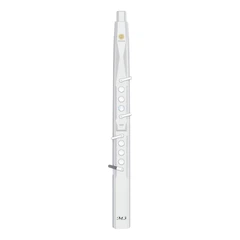


The tone quality of a digital saxophone is a crucial aspect that determines its overall performance and suitability for musicians. Evaluating the tone quality of a digital saxophone can be a complex task as it involves multiple factors. In this article, we will explore the various aspects to consider when evaluating the tone quality of a digital saxophone.
I. Introduction
The tone quality of a musical instrument is the characteristic sound that it produces. In the case of a digital saxophone, the tone quality is determined by a combination of factors such as the sound synthesis technology, the quality of the speakers or headphones used, and the settings and adjustments available on the instrument. A good tone quality is essential for musicians as it can enhance their playing experience and help them express their musical ideas more effectively.
II. Factors to Consider When Evaluating Tone Quality
A. Sound Fidelity
Sound fidelity refers to the degree to which the digital saxophone can accurately reproduce the sound of a traditional acoustic saxophone. This includes aspects such as the timbre, dynamics, and expressiveness of the sound. A high-fidelity digital saxophone should be able to produce a sound that is as close as possible to the real thing, with rich overtones, smooth transitions between notes, and a wide dynamic range.
To evaluate sound fidelity, listen to recordings of professional saxophonists playing on both acoustic and digital saxophones. Pay attention to the differences in tone quality and try to identify areas where the digital saxophone may fall short. Additionally, play the digital saxophone yourself and compare its sound to that of an acoustic saxophone. Notice how the digital saxophone responds to different playing techniques such as vibrato, tonguing, and dynamics.
B. Dynamic Range
Dynamic range refers to the difference between the softest and loudest sounds that a digital saxophone can produce. A wide dynamic range is important as it allows musicians to express a wide range of emotions and musical ideas. A digital saxophone with a limited dynamic range may sound flat and uninteresting, while one with a wide dynamic range can be more expressive and engaging.
To evaluate dynamic range, play the digital saxophone at different volumes and listen to how it responds. Notice how the sound changes as you increase or decrease the volume, and pay attention to the clarity and detail of the sound at both soft and loud volumes. Additionally, listen to recordings of music that features a wide dynamic range and see how the digital saxophone handles these changes.
C. Timbre
Timbre refers to the unique quality of a sound that distinguishes it from other sounds. In the case of a saxophone, timbre is influenced by factors such as the type of reed used, the mouthpiece, and the player's technique. A digital saxophone should be able to reproduce a wide range of timbres, from bright and piercing to warm and mellow.
To evaluate timbre, play different notes and listen to the quality of the sound. Notice how the timbre changes as you move up and down the scale, and pay attention to the richness and complexity of the sound. Additionally, try playing different styles of music and see how the digital saxophone adapts to different timbres. For example, a jazz saxophone may have a different timbre than a classical saxophone, so see how the digital saxophone can handle these different styles.
D. Expressiveness
Expressiveness refers to the ability of a musical instrument to convey emotions and musical ideas. A digital saxophone should be able to respond to the player's touch and technique, allowing them to add nuances and subtleties to their playing. This includes aspects such as vibrato, articulation, and phrasing.
To evaluate expressiveness, play the digital saxophone and experiment with different playing techniques. Notice how the instrument responds to your touch and how easily you can add expressiveness to your playing. Listen to recordings of professional saxophonists and try to imitate their expressiveness on the digital saxophone. Additionally, play along with other musicians and see how the digital saxophone blends with other instruments and adds to the overall musical expression.
E. Consistency
Consistency refers to the uniformity of the tone quality across different notes and registers. A good digital saxophone should produce a consistent sound throughout its range, without any noticeable differences in tone quality. Inconsistent tone quality can be distracting and make it difficult for musicians to play with precision and expression.
To evaluate consistency, play different notes and registers on the digital saxophone and listen for any variations in tone quality. Notice how the sound changes as you move up and down the scale and across different octaves. Additionally, play the same note multiple times and listen for any differences in pitch or timbre. A consistent digital saxophone should produce a stable and reliable sound that allows musicians to focus on their playing without being distracted by inconsistent tone quality.
F. Compatibility with Accessories
Many musicians use accessories such as mouthpieces, reeds, and stands with their saxophones. A digital saxophone should be compatible with a wide range of accessories to allow musicians to customize their playing experience. Additionally, compatibility with other musical equipment such as amplifiers, speakers, and recording devices is also important.
To evaluate compatibility with accessories, try using different mouthpieces, reeds, and stands with the digital saxophone and see how they affect the tone quality. Additionally, connect the digital saxophone to different amplifiers, speakers, and recording devices and listen for any differences in sound quality. Make sure that the digital saxophone is compatible with the accessories and equipment that you plan to use, as this can greatly enhance your playing experience.
III. Conclusion
Evaluating the tone quality of a digital saxophone is a complex task that requires careful consideration of multiple factors. By considering aspects such as sound fidelity, dynamic range, timbre, expressiveness, consistency, and compatibility with accessories, musicians can make an informed decision when choosing a digital saxophone. Additionally, it is important to try out different digital saxophones and listen to their sound quality in person before making a purchase. With the right digital saxophone, musicians can enjoy a rich and expressive playing experience that rivals that of a traditional acoustic saxophone.
SUNRISE MELODY M1 Electronic Wind Instrument
. Revisit the passion and dreams of youth
. M1 electric clarinet wind instrument -- The good news for beginners
. Rich and diverse timbres
. Powerful functions and easy operation
. Perfect after-sales service


