

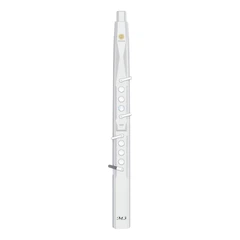

Electronic wind instruments, including digital saxophones, offer a unique blend of traditional wind instrument playing techniques and modern digital technology. To truly master an electronic wind instrument, having a strong perception of rhythm is essential. This perception allows the player to stay in time with the music, interact effectively with other musicians, and bring out the full potential of the instrument. In this extensive exploration, we will discuss various ways to improve the perception of rhythm for electronic wind instruments through practice.
I. Understanding the Importance of Rhythm Perception
Before delving into the methods of improving rhythm perception, it's crucial to understand why it is so important. Rhythm is the backbone of music. It provides structure, drive, and energy to a piece. For an electronic wind instrument player, a good sense of rhythm enables:
Accurate Playing: It ensures that notes are played at the right time, creating a cohesive and pleasing musical performance.
Interaction with Others: In a band or ensemble setting, being in sync with other musicians depends on a shared understanding of rhythm.
Expressiveness: Rhythm can be used to convey emotions and add dynamics to a performance.
Improvisation: A strong rhythm perception allows for spontaneous and creative improvisation.
II. Basic Rhythm Exercises
The foundation of improving rhythm perception starts with basic rhythm exercises. These exercises can be done alone or with the help of a metronome or rhythm app.
Clapping and Counting
Start by simply clapping along to a steady beat. Count out loud as you clap, emphasizing the downbeats. For example, "1, 2, 3, 4" for a 4/4 time signature.
Gradually increase the complexity by adding off-beats and syncopation. For instance, clap on the "and" between the beats.
This exercise helps develop a basic sense of timing and the ability to distinguish between different beats.
Rhythm Dictation
Listen to a simple rhythm pattern played by a metronome or another instrument. Try to write down the rhythm using standard music notation or just by drawing lines and dots to represent the beats and notes.
Then, play the rhythm back on your electronic wind instrument to check your accuracy.
This exercise trains your ear to recognize different rhythm patterns and improves your ability to transcribe what you hear.
Single-Note Rhythm Exercises
Play a single note on your electronic wind instrument in time with a metronome. Start with simple quarter notes and then progress to eighth notes, sixteenth notes, and more complex rhythms.
Focus on maintaining a steady tempo and playing accurately on the beat.
This exercise helps develop finger dexterity and coordination while also enhancing your sense of rhythm.
III. Playing Along with Recordings
Playing along with recordings is a great way to improve rhythm perception while also learning different musical styles and genres.
Choose Appropriate Recordings
Select recordings that feature electronic wind instruments or music styles that are compatible with your instrument. For example, if you play a digital saxophone, look for jazz, pop, or classical recordings that include saxophone parts.
Start with recordings that have a clear and steady rhythm section, such as drums and bass.
Play Along Slowly
Begin by playing along with the recording at a slow tempo. Focus on staying in time with the rhythm and matching the phrasing and dynamics of the original performance.
Use a metronome if needed to help you stay on track.
Analyze and Learn
After playing along, take some time to analyze the recording. Pay attention to the rhythm patterns, accents, and syncopation used. Try to identify what makes the rhythm interesting and engaging.
Incorporate what you've learned into your own playing by experimenting with similar rhythm patterns and techniques.
IV. Rhythm Games and Apps
In today's digital age, there are many rhythm games and apps available that can be a fun and effective way to improve rhythm perception.
Rhythm Puzzles and Games
Games like "Rhythm Doctor" or "Crypt of the NecroDancer" challenge players to keep in time with a variety of rhythm patterns. These games can help improve your reflexes and ability to stay on beat.
There are also apps that offer rhythm puzzles and challenges, such as identifying rhythm patterns or filling in missing beats.
Interactive Rhythm Apps
Some apps allow you to play along with pre-recorded tracks or create your own rhythm patterns. These apps often provide visual cues and feedback to help you improve your timing.
Examples include "GarageBand" for iOS and "FL Studio Mobile" for Android.
Use with Electronic Wind Instrument
Some rhythm apps can be connected to your electronic wind instrument via MIDI or other interfaces. This allows you to play along with the app using your instrument and get real-time feedback on your rhythm.
V. Improvisation and Creativity
Improvisation is a powerful tool for developing rhythm perception and creativity. By spontaneously creating music, you are forced to rely on your internal sense of rhythm and respond to the moment.
Free Improvisation
Set aside some time for free improvisation. Start by playing a simple rhythm on your electronic wind instrument and then build on it by adding notes, changing the rhythm, or experimenting with different dynamics.
Don't worry about making mistakes or playing perfectly. The goal is to let your creativity flow and explore different rhythmic possibilities.
Improvising over a Backing Track
Use a backing track or loop to provide a rhythmic foundation for your improvisation. This can be a pre-recorded track or something you create yourself using music software.
Listen to the rhythm of the backing track and respond to it with your own playing. Try to match the energy and style of the track while also adding your own unique touches.
Collaborative Improvisation
Improvising with other musicians is a great way to improve your rhythm perception and learn from others. Join a jam session or collaborate with friends who play different instruments.
Listen closely to what the other musicians are playing and respond in real time. This will help you develop your ability to stay in sync and interact rhythmically with others.
VI. Incorporating Movement and Body Percussion
Incorporating movement and body percussion can enhance your sense of rhythm and make your practice more engaging.
Move to the Beat
While playing your electronic wind instrument, move your body in time with the rhythm. This can be as simple as swaying back and forth, tapping your foot, or nodding your head.
Moving to the beat helps you internalize the rhythm and feel it more deeply.
Body Percussion
Use your body as a percussion instrument by clapping, stomping, or snapping. Incorporate body percussion into your practice sessions by playing along with your instrument or as a standalone exercise.
This can add an extra layer of rhythm and help you develop a better sense of timing and coordination.
Dance and Movement Exercises
Take a dance class or do some simple movement exercises to improve your sense of rhythm. Dancing forces you to respond to the music with your body and can help you develop a more intuitive understanding of rhythm.
VII. Seek Feedback and Instruction
Finally, seeking feedback and instruction from a teacher, mentor, or fellow musician can be extremely helpful in improving your rhythm perception.
Take Lessons
Consider taking lessons from a qualified music teacher who specializes in electronic wind instruments or rhythm training. A teacher can provide personalized instruction, correct your mistakes, and offer valuable tips and techniques.
They can also help you set goals and develop a practice routine that focuses on improving your rhythm perception.
Join a Music Group or Class
Joining a music group or class allows you to play with other musicians and receive feedback from your peers. This can be a great way to learn from others and improve your rhythm skills in a collaborative environment.
Record Yourself and Seek Feedback
Record your playing and listen back to it objectively. Identify areas where your rhythm perception could be improved and seek feedback from a teacher, friend, or online community.
This can help you identify specific areas for improvement and track your progress over time.
In conclusion, improving the perception of rhythm for electronic wind instruments requires consistent practice and a variety of approaches. By incorporating basic rhythm exercises, playing along with recordings, using rhythm games and apps, improvising, incorporating movement and body percussion, and seeking feedback and instruction, you can develop a stronger sense of rhythm and take your playing to the next level. Remember that rhythm is a fundamental aspect of music, and with dedication and practice, you can master it and create captivating musical performances on your electronic wind instrument.
SUNRISE MELODY M1 Electronic Wind Instrument
. Revisit the passion and dreams of youth
. M1 electric clarinet wind instrument -- The good news for beginners
. Rich and diverse timbres
. Powerful functions and easy operation
. Perfect after-sales service
