

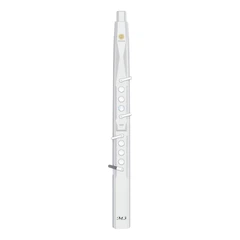

The Electronic Wind Instrument (EWI) is a unique and versatile musical instrument that combines traditional wind instrument playing techniques with advanced electronic technology. To master the EWI and improve one's playing techniques, several key areas need to be focused on.
I. Understanding the EWI
Before delving into improving playing techniques, it's essential to have a solid understanding of the EWI itself. The EWI typically consists of a mouthpiece, keys or buttons for fingering, and various controls for adjusting parameters such as pitch, volume, tone, and effects. It can mimic the sounds of different wind instruments and even create unique electronic sounds.
A. Familiarize with the Controls
Take the time to understand each control on the EWI. Know how to adjust the pitch bend, modulation, breath sensitivity, and other settings. Experiment with different combinations to discover how they affect the sound. This will give you more control over your playing and allow you to create a wide range of sounds.
B. Learn about Sound Libraries
Many EWIs come with pre-installed sound libraries or have the option to load additional sounds. Explore these libraries to understand the different instrument sounds available. Familiarize yourself with the characteristics of each sound and how they respond to your playing. This will expand your musical palette and enable you to choose the right sound for different musical situations.
II. Breath Control
Breath control is a fundamental aspect of playing the EWI. Just like with traditional wind instruments, the way you breathe and control the air flow has a significant impact on the sound quality and expressiveness of your playing.
A. Develop a Consistent Breath
Practice breathing exercises to develop a consistent and controlled breath. Start by taking deep breaths and exhaling slowly, focusing on maintaining a steady flow of air. As you play, try to keep your breathing relaxed and even, avoiding sudden bursts or gasps. This will help you produce a more stable sound and improve your endurance.
B. Use Breath Dynamics
Experiment with different breath dynamics to add expression to your playing. Vary the strength of your breath to create crescendos and decrescendos, and use subtle changes in breath pressure to add nuances to the tone. For example, a softer breath can produce a more delicate sound, while a stronger breath can create a more powerful and intense tone.
C. Practice Breath Control Exercises
There are several specific exercises you can do to improve your breath control. For example, try playing long tones while maintaining a consistent volume and pitch. Gradually increase the length of the tones as your breath control improves. Another exercise is to play a series of short notes with different breath intensities, paying attention to the clarity and articulation of each note.
III. Finger Technique
Proper finger technique is crucial for playing the EWI accurately and efficiently. The keys or buttons on the EWI require precise finger placement and movement to produce clean and clear notes.
A. Develop Finger Dexterity
Practice exercises to improve your finger dexterity. This can include playing scales, arpeggios, and chromatic runs at different speeds. Start slowly and gradually increase the tempo as your fingers become more comfortable and agile. Use a metronome to keep a steady rhythm and ensure evenness in your playing.
B. Work on Finger Independence
Develop finger independence by practicing exercises that require each finger to move independently. For example, play a series of notes using only one finger at a time, then gradually add more fingers and combinations. This will help you play complex melodies and chords with ease.
C. Practice Finger Stretching
Some EWI models have a wide range of keys or buttons that may require finger stretching. Practice stretching exercises to increase the flexibility and reach of your fingers. This will make it easier to play difficult passages and reach distant notes.
IV. Musical Expression
In addition to technical proficiency, musical expression is an essential aspect of playing the EWI. It's not just about playing the right notes but also about adding emotion and personality to your playing.
A. Listen and Imitate
Listen to accomplished EWI players and try to imitate their musical expression. Pay attention to how they use dynamics, phrasing, vibrato, and other techniques to bring the music to life. By listening and imitating, you can learn new ways of expressing yourself through your playing.
B. Experiment with Effects
The EWI often comes with a variety of effects such as reverb, delay, distortion, and modulation. Experiment with these effects to add depth and texture to your sound. Use effects sparingly and tastefully to enhance the musical expression without overpowering the melody.
C. Develop Your Own Style
As you gain more experience and confidence, start developing your own unique style of playing. Incorporate elements from different musical genres and styles that you enjoy. Let your personality shine through in your playing and don't be afraid to take risks and try new things.
V. Practice and Patience
Improving EWI playing techniques takes time and consistent practice. Set aside regular practice sessions and be patient with yourself as you progress.
A. Set Goals
Set specific goals for your practice sessions. This could be learning a new song, improving a particular technique, or mastering a certain musical style. Having clear goals will keep you motivated and focused.
B. Practice Regularly
Consistency is key when it comes to improving your playing. Try to practice every day, even if it's just for a short period. Regular practice will help you build muscle memory and improve your skills over time.
C. Seek Feedback
Seek feedback from other musicians, teachers, or online communities. They can offer valuable insights and suggestions for improvement. Listen to their feedback objectively and use it to refine your playing.
In conclusion, improving EWI playing techniques requires a combination of understanding the instrument, mastering breath control and finger technique, developing musical expression, and consistent practice. With dedication and patience, you can enhance your skills and become a more proficient EWI player. Keep exploring new techniques and musical ideas, and let your creativity soar on this exciting instrument.
SUNRISE MELODY M1 Electronic Wind Instrument
. Revisit the passion and dreams of youth
. M1 electric clarinet wind instrument -- The good news for beginners
. Rich and diverse timbres
. Powerful functions and easy operation
. Perfect after-sales service
