


Rhythm is a crucial element in music, and for those learning digital saxophone, developing a strong sense of rhythm can greatly enhance their playing. Whether you're a beginner or an experienced player looking to improve, here are several ways to enhance your sense of rhythm when learning digital saxophone.
I. Understanding the Basics of Rhythm
Before delving into specific methods to enhance rhythm, it's essential to have a solid understanding of what rhythm is. Rhythm refers to the pattern of sounds and silences in time. It's the heartbeat of music, dictating the flow and pace of a piece. In digital saxophone playing, rhythm is created by the combination of notes of different durations, rests, and accents.
Note Durations
Learn to recognize and play different note durations such as whole notes, half notes, quarter notes, eighth notes, and sixteenth notes. Each has a specific time value and contributes to the overall rhythm of a piece.
Practice playing scales and simple melodies using different note durations to get a feel for how they affect the rhythm.
Rests
Rests are as important as notes in creating rhythm. They represent periods of silence and add contrast and dynamics to the music.
Practice playing pieces with rests to understand how they break up the flow and add tension and release.
Accents
Accents are emphasized notes that stand out from the others. They can add excitement and energy to a rhythm.
Experiment with adding accents to different notes in a melody to create different rhythmic patterns.
II. Using Metronomes and Rhythm Apps
Metronomes and rhythm apps are valuable tools for enhancing rhythm. They provide a steady beat that you can follow while playing, helping you stay in time and develop a consistent sense of rhythm.
Metronomes
Start by setting the metronome at a slow tempo and play simple exercises or melodies along with it. Gradually increase the tempo as you become more comfortable.
Use different subdivisions of the beat (e.g., eighth notes, sixteenth notes) to practice playing more complex rhythms.
Try playing with the metronome on different beats (e.g., on the downbeat, upbeat, or every other beat) to challenge your sense of rhythm.
Rhythm Apps
There are many rhythm apps available that offer a variety of features such as different rhythm patterns, customizable tempos, and visual cues.
Some apps even allow you to record your playing and analyze your rhythm to identify areas for improvement.
Experiment with different apps to find the ones that work best for you.
III. Listening and Analyzing Music
Listening to music is an excellent way to develop a sense of rhythm. By listening to different styles of music and analyzing the rhythm, you can learn new rhythmic patterns and techniques.
Listen to a Variety of Music
Listen to different genres of music such as jazz, rock, classical, and world music. Each genre has its own unique rhythmic characteristics that can inspire and inform your playing.
Pay attention to the rhythm section (drums, bass, etc.) and how they interact with the melody. Notice the different note durations, accents, and syncopations used.
Analyze the Rhythm
Take a piece of music that you like and analyze its rhythm. Write down the note durations, accents, and any rhythmic patterns you notice.
Try playing along with the music to internalize the rhythm. You can also slow down the music using software or an app to better understand the rhythm.
Transcribe Rhythms
Transcribing rhythms from recordings is a great exercise for developing your sense of rhythm. Choose a short section of music and write down the rhythm as accurately as possible.
Then, play the transcribed rhythm on your digital saxophone to see how well you can reproduce it.
IV. Playing with Others
Playing with other musicians is a fun and effective way to enhance your rhythm. It forces you to listen and respond to others, which helps you develop a better sense of timing and groove.
Join a Band or Ensemble
Joining a band or ensemble gives you the opportunity to play with other musicians on a regular basis. You'll learn to listen to each other and adjust your playing to fit the overall rhythm.
Participate in rehearsals and performances to gain experience playing in different musical settings.
Jam Sessions
Attend jam sessions or informal gatherings where musicians can play together. This is a great way to practice improvising and playing in different styles.
Listen to the other musicians and try to lock in with the rhythm. Don't be afraid to take risks and experiment with different rhythms.
Play Along with Recordings
Play along with recordings of your favorite songs or musicians. This can help you develop your sense of timing and learn how to play in different styles.
Start with simple songs and gradually work your way up to more complex ones. You can also use software or an app to slow down the recordings if needed.
V. Practice Rhythm Exercises
Regular practice of rhythm exercises can help you improve your sense of rhythm. These exercises can be done alone or with a metronome or rhythm app.
Simple Rhythm Patterns
Start with simple rhythm patterns such as quarter notes, eighth notes, and rests. Play these patterns repeatedly at different tempos to develop muscle memory and a sense of timing.
Add accents or syncopations to the patterns to make them more challenging.
Rhythm Dictation
Have someone play a rhythm for you and try to write it down. This exercise helps you develop your listening skills and ability to recognize different rhythms.
You can also use rhythm dictation apps or software to practice on your own.
Rhythm Transfers
Transfer a rhythm from one instrument to another. For example, play a rhythm on a drum or piano and then try to play it on your digital saxophone.
This exercise helps you develop your ability to internalize rhythm and play it on different instruments.
VI. Incorporate Movement and Body Percussion
Incorporating movement and body percussion can help you feel the rhythm more deeply and enhance your sense of timing.
Move to the Music
While playing, move your body in time with the rhythm. This can help you feel the pulse of the music and stay in time.
Try different movements such as swaying, tapping your foot, or nodding your head.
Use Body Percussion
Incorporate body percussion such as clapping, stomping, or snapping into your practice. This can add an extra layer of rhythm and help you develop a better sense of timing.
You can also use body percussion to create your own rhythms and grooves.
In conclusion, enhancing the sense of rhythm when learning digital saxophone requires a combination of understanding the basics of rhythm, using tools such as metronomes and apps, listening to music, playing with others, practicing rhythm exercises, and incorporating movement and body percussion. By incorporating these methods into your practice routine, you can develop a strong sense of rhythm and take your digital saxophone playing to the next level. Remember to be patient and persistent, as developing rhythm takes time and practice. With dedication and effort, you can become a more rhythmically proficient digital saxophone player.
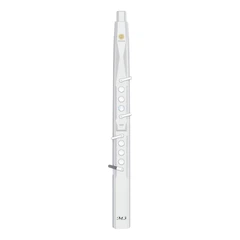
SUNRISE MELODY M1 Electronic Wind Instrument
. Revisit the passion and dreams of youth
. M1 electric clarinet wind instrument -- The good news for beginners
. Rich and diverse timbres
. Powerful functions and easy operation
. Perfect after-sales service


