

To improve your coordination and timing when playing both traditional and electronic wind instruments simultaneously, you can follow these steps:
1. Master the Basics of Each Instrument Separately
Traditional Wind Instruments
Spend time understanding the unique fingering systems, breath control requirements, and tone production techniques. For example, if you are playing the flute, practice long tones to improve breath support and control the stability of pitch. Work on scales and arpeggios to build finger dexterity.
Develop a strong sense of rhythm by practicing with metronomes. Start with simple rhythms like quarter notes and gradually progress to more complex ones such as triplets and sixteenth - note patterns.
Electronic Wind Instruments
Familiarize yourself with the different functions and controls. Learn how to select and modify sounds, adjust volume, and use any special effects. Practice playing simple melodies to get used to the touch sensitivity of the keys or sensors.
Since electronic wind instruments often have more options for rhythm and tempo settings, practice using these features. For example, set different tempos and play along with the built - in rhythm patterns to improve your internal sense of timing.
2. Start with Simple Exercises and Pieces
Rhythmic Exercises
Begin with basic rhythmic unison exercises. For example, play a simple quarter - note rhythm on both instruments simultaneously. As you become more confident, introduce more complex rhythms like alternating between quarter notes on one instrument and eighth - note patterns on the other.
Practice syncopated rhythms. For instance, play a syncopated rhythm on the traditional wind instrument while maintaining a steady beat on the electronic wind instrument, and then switch roles.
Melodic Exercises
Choose simple melodies and divide them between the two instruments. For example, play the first half of a melody on the traditional instrument and the second half on the electronic wind instrument, making sure the transition is seamless in terms of timing.
As you progress, try playing the melody and harmony simultaneously. One instrument can play the main melody while the other provides simple harmonies or counter - melodies.
3. Use Metronomes and Click Tracks
Slow and Steady Practice
Start with a slow tempo on the metronome and gradually increase the speed as you improve. This helps you build accuracy and consistency in your timing. When playing both instruments, make sure each note or rhythm aligns with the metronome click.
You can also use click tracks with different sounds for each instrument. For example, use a high - pitched click for the traditional wind instrument and a low - pitched click for the electronic wind instrument. This way, you can more easily distinguish between the two and ensure they are in sync.
4. Record and Analyze Your Playing
Self - Assessment
Record yourself playing both instruments together. Listen back carefully to identify any areas where the coordination or timing is off. Pay attention to details such as whether one instrument is starting notes slightly earlier or later than the other, or if the rhythms are not lining up correctly.
Take note of these issues and focus on improving them in subsequent practice sessions. You can also make a video recording to observe your physical movements and see if there are any inefficiencies or misalignments that could be affecting your coordination.
5. Ensemble Practice and Collaboration
Join a Group or Find a Partner
Participate in an ensemble that includes both traditional and electronic wind instruments. The experience of playing with other musicians will force you to improve your coordination and timing. You will learn to listen to the other players and adjust your own playing accordingly.
If finding an ensemble is difficult, find a partner who plays one of the instruments. Practice duets together, which will help you develop a sense of give - and - take in terms of rhythm and melody.
6. Develop a Mental Image of the Combined Sound
Pre - Visualize the Performance
Before you start playing, take a moment to mentally picture how the two instruments will sound together. Visualize the rhythm and melody flowing smoothly between them. This mental preparation can help you better coordinate your physical actions when you actually start playing.
As you practice, keep this mental image in mind and strive to achieve the sound you have envisioned. This can also help you anticipate any potential timing or coordination issues and make adjustments in advance.
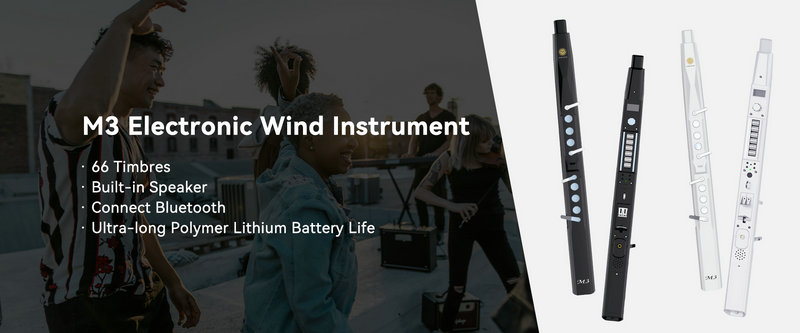
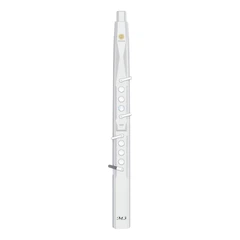
SUNRISE MELODY M3 Electronic Wind Instrument - The best-selling Electronic Wind Instrument
. 66 Timbres
. Built-in Speaker
. Connect Bluetooth
. Ultra-long Polymer Lithium Battery Life