

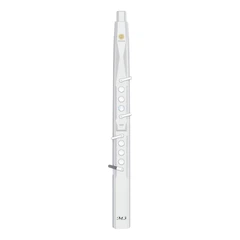

The digital alto saxophone is an exciting and innovative instrument that offers many benefits for beginners. However, like any musical instrument, it comes with its own set of challenges. In this essay, we will explore some of the difficulties that beginners may face when learning the digital alto saxophone and provide practical solutions to help overcome them.
I. Introduction
The digital alto saxophone is a relatively new instrument that combines the traditional saxophone design with digital technology. It offers a wide range of features such as adjustable tone, volume control, and built-in effects, making it a versatile and convenient instrument for beginners. However, learning to play the digital alto saxophone can be challenging, especially for those who have never played a musical instrument before.
II. Difficulties Faced by Beginners
Understanding the Instrument
One of the first difficulties that beginners may face is understanding the digital alto saxophone. Unlike traditional saxophones, the digital alto saxophone has many buttons, knobs, and settings that can be confusing. Beginners may find it difficult to understand how to use these features and may feel overwhelmed by the complexity of the instrument.
To overcome this difficulty, beginners should take the time to read the user manual and watch instructional videos on how to use the digital alto saxophone. They can also seek help from a music teacher or experienced player who can explain the features and functions of the instrument in detail.
Developing Proper Technique
Another difficulty that beginners may face is developing proper technique. Playing the digital alto saxophone requires proper breathing, embouchure (the way the lips and mouth are positioned on the mouthpiece), and finger placement. Beginners may find it difficult to master these techniques and may produce a weak or inconsistent sound.
To overcome this difficulty, beginners should practice regularly and focus on developing proper technique. They can start by practicing simple exercises such as long tones and scales to improve their breathing and tone production. They can also seek help from a music teacher or experienced player who can provide feedback and guidance on their technique.
Learning Music Theory
Learning music theory is also an important part of learning the digital alto saxophone. Beginners may find it difficult to understand concepts such as notes, scales, chords, and rhythm. Without a basic understanding of music theory, beginners may struggle to read sheet music and play along with other musicians.
To overcome this difficulty, beginners should take the time to learn music theory. They can start by learning the basics of notes and scales and gradually progress to more advanced concepts such as chords and rhythm. They can also use online resources such as music theory courses and tutorials to supplement their learning.
Playing with Expression
Playing with expression is another challenge that beginners may face. The digital alto saxophone offers a wide range of effects and settings that can be used to add expression to the music. However, beginners may find it difficult to use these features effectively and may produce a flat or uninteresting sound.
To overcome this difficulty, beginners should listen to professional saxophone players and study their playing style. They can also experiment with different effects and settings on the digital alto saxophone to find what works best for them. They can also practice playing with dynamics (loudness and softness) and phrasing (grouping notes into musical phrases) to add expression to their playing.
III. Solutions to Overcome the Difficulties
Take Lessons from a Qualified Teacher
Taking lessons from a qualified teacher is one of the best ways for beginners to overcome the difficulties in learning the digital alto saxophone. A music teacher can provide personalized instruction and feedback on technique, music theory, and playing with expression. They can also help beginners set goals and develop a practice routine.
When looking for a music teacher, beginners should look for someone who has experience teaching the digital alto saxophone and who has a teaching style that suits their learning needs. They can also ask for recommendations from other musicians or search online for reviews of music teachers in their area.
Practice Regularly
Practice is essential for beginners to overcome the difficulties in learning the digital alto saxophone. Regular practice helps to develop muscle memory, improve technique, and build confidence. Beginners should set aside time each day to practice and stick to a consistent practice routine.
When practicing, beginners should focus on specific areas that they need to improve, such as technique, music theory, or playing with expression. They can also use practice tools such as metronomes, tuners, and recording devices to help them stay on track and monitor their progress.
Join a Music Group or Ensemble
Joining a music group or ensemble is a great way for beginners to improve their playing and overcome the difficulties in learning the digital alto saxophone. Playing with other musicians helps to develop listening skills, improve timing, and add expression to the music. It also provides an opportunity to learn from more experienced players and get feedback on your playing.
When looking for a music group or ensemble, beginners should look for one that is at their skill level and that plays music that they enjoy. They can also ask for recommendations from their music teacher or search online for local music groups in their area.
Use Online Resources
There are many online resources available for beginners to learn the digital alto saxophone. Online tutorials, courses, and forums can provide valuable information and support on technique, music theory, and playing with expression. Beginners can also use online resources to find sheet music, backing tracks, and other practice materials.
When using online resources, beginners should be careful to choose reliable sources and to verify the accuracy of the information. They can also ask for advice and feedback from other musicians on online forums and communities.
IV. Conclusion
Learning the digital alto saxophone can be a challenging but rewarding experience for beginners. By understanding the difficulties they may face and implementing practical solutions, beginners can overcome these challenges and develop their skills as musicians. Whether taking lessons from a qualified teacher, practicing regularly, joining a music group, or using online resources, there are many ways for beginners to improve their playing and enjoy the many benefits of the digital alto saxophone.
SUNRISE MELODY M1 Electronic Wind Instrument
. Revisit the passion and dreams of youth
. M1 electric clarinet wind instrument -- The good news for beginners
. Rich and diverse timbres
. Powerful functions and easy operation
. Perfect after-sales service
