
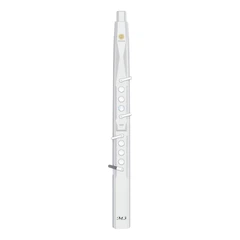


Guidance on the Fingerings of Electric Saxophone's Flute Mode
I. Introduction
The electric saxophone, with its versatility and unique capabilities, offers musicians a wide range of expressive possibilities. One of its notable features is the ability to switch to a flute mode, which allows for a different sonic palette and playing experience. In this comprehensive guide, we will explore the fingerings of the electric saxophone's flute mode, providing detailed instructions and insights to help you master this aspect of the instrument.
II. Understanding the Electric Saxophone's Flute Mode
A. What is the Flute Mode?
The flute mode on an electric saxophone emulates the sound and playing characteristics of a flute. This mode typically utilizes different settings and adjustments within the instrument to produce a sound that is similar to that of a traditional flute.
B. Benefits of the Flute Mode
Expanded sonic range: The flute mode adds a new dimension to the electric saxophone's sound, allowing for a wider variety of musical expressions.
Versatility: Musicians can switch between saxophone and flute sounds, giving them more options for different musical styles and settings.
Unique playing experience: Playing in flute mode can offer a different tactile and auditory experience compared to playing the saxophone in its standard mode.
III. Fingerings for the Electric Saxophone's Flute Mode
A. Basic Fingerings
The basic fingerings for the electric saxophone's flute mode are similar to those of a traditional flute. The main keys and finger holes are used to produce different notes.
Start by familiarizing yourself with the layout of the instrument in flute mode. Note the positions of the keys and finger holes, and understand how they correspond to different pitches.
To play a simple note, such as middle C, cover the appropriate finger holes and blow gently into the mouthpiece. Experiment with different fingerings to produce different notes and pitches.
B. Advanced Fingerings
As you progress in your playing, you will encounter more complex fingerings and techniques. These may include alternate fingerings for certain notes, trills, grace notes, and more.
Alternate fingerings can be useful for achieving different tonal qualities or for making passages easier to play. For example, you might use an alternate fingering to play a high note more easily or to create a unique sound effect.
Trills are created by rapidly alternating between two adjacent notes. In flute mode, this can be done by using specific fingerings and a quick movement of the fingers. Practice trills slowly at first to build up speed and accuracy.
Grace notes are short, ornamental notes that are played quickly before a main note. They can add a touch of elegance and expressiveness to your playing. Learn the proper fingerings and timing for grace notes to enhance your musical phrases.
C. Special Effects and Techniques
The electric saxophone's flute mode often offers various special effects and techniques that can be used to create unique sounds and textures. These may include vibrato, glissando, and breath effects.
Vibrato is a slight wavering of the pitch, created by rapidly moving the jaw or finger. Experiment with different types of vibrato to add depth and emotion to your playing.
Glissando is a smooth slide from one note to another. This can be achieved by using the keys and finger holes to gradually change the pitch. Practice glissandos to create seamless transitions between notes.
Breath effects, such as breath control and air sounds, can add a natural and expressive element to your playing. Learn how to control your breath to create different effects and textures.
IV. Practice Tips for Mastering the Fingerings
A. Start Slowly and Build Up Speed
When learning new fingerings, start slowly and focus on accuracy. Don't rush through the exercises, as this can lead to mistakes and bad habits.
Gradually increase the speed as you become more comfortable with the fingerings. Use a metronome to help you maintain a steady tempo and improve your timing.
B. Practice Regularly
Consistent practice is essential for mastering the fingerings of the electric saxophone's flute mode. Set aside dedicated practice time each day to work on your technique.
Vary your practice routine to keep things interesting and challenging. Include exercises for different fingerings, scales, and musical phrases.
C. Listen and Analyze
Listen to recordings of professional flute players and electric saxophonists using the flute mode. Pay attention to their fingerings, tone quality, and musical expression.
Analyze your own playing by recording yourself and listening back. Identify areas where you can improve and focus on those during your practice sessions.
D. Seek Feedback
Ask a teacher, mentor, or fellow musician for feedback on your playing. They can offer valuable insights and suggestions for improvement.
Join a music community or take part in workshops to connect with other musicians and learn from their experiences.
V. Applications and Musical Styles
A. Jazz and Pop Music
The electric saxophone's flute mode can be used in jazz and pop music to add a unique and mellow sound. Experiment with different solos and improvisations to create your own musical style.
Use the flute mode to play melodies, countermelodies, or background textures. It can add a touch of sophistication to your arrangements.
B. Classical Music
In classical music, the flute mode can be used to perform solo pieces or as part of an ensemble. Familiarize yourself with classical flute repertoire and adapt it to the electric saxophone.
Practice playing with other classical instruments, such as strings, piano, or woodwinds, to develop your ensemble skills.
C. World Music and Fusion Genres
The electric saxophone's flute mode can be incorporated into world music and fusion genres to create unique sounds and cultural blends.
Explore different musical traditions and incorporate elements of their flute playing techniques into your own playing.
VI. Maintenance and Care of the Electric Saxophone in Flute Mode
A. Cleaning and Storage
Keep your electric saxophone clean and free from dust and debris. Use a soft cloth to wipe down the instrument after each use.
Store your instrument in a case or a safe place when not in use. Avoid exposing it to extreme temperatures or humidity.
B. Battery Care
If your electric saxophone uses batteries, make sure to charge them properly and follow the manufacturer's instructions.
Replace batteries when necessary to ensure optimal performance.
C. Regular Maintenance
Have your instrument checked and serviced by a professional technician regularly. This can help identify and address any potential issues before they become major problems.
Keep the keys and finger holes in good working condition by lubricating them as needed.
VII. Conclusion
The fingerings of the electric saxophone's flute mode offer musicians a wealth of creative possibilities. By understanding and mastering these fingerings, you can expand your musical repertoire and explore new sonic landscapes. With regular practice, patience, and dedication, you can become proficient in playing the electric saxophone in flute mode and add a unique dimension to your musical performances. So pick up your instrument, explore the fingerings, and let your musical creativity soar.
SUNRISE MELODY M1 Electronic Wind Instrument
. Revisit the passion and dreams of youth
. M1 electric clarinet wind instrument -- The good news for beginners
. Rich and diverse timbres
. Powerful functions and easy operation
. Perfect after-sales service


