

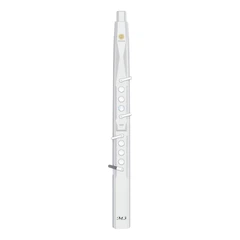

《Electronic Wind Instruments Are Suitable for Use in Schools》
In today's educational environment, the introduction of diverse musical instruments can greatly enrich students' learning experiences and cultivate their artistic sensibilities. Electronic wind instruments, with their unique features and advantages, are highly suitable for use in schools.
I. Introduction to Electronic Wind Instruments
Electronic wind instruments, also known as electronic saxophones or electronic wind controllers, are a new generation of musical instruments that combine advanced electronic technology with traditional wind instrument playing methods. These instruments use sensors to detect the player's breath and finger movements, and then convert these signals into digital audio signals to produce various musical sounds.
Compared to traditional wind instruments, electronic wind instruments have many advantages. For example, they can simulate a wide variety of instrument sounds, including saxophones, flutes, trumpets, and clarinets. This allows students to explore different musical styles and expand their musical horizons without having to invest in multiple traditional instruments. In addition, electronic wind instruments are often more portable and easier to maintain than traditional instruments, making them more convenient for use in school settings.
II. Educational Benefits of Electronic Wind Instruments in Schools
A. Cultivating Musical Talent and Creativity
Developing musical skills
Using electronic wind instruments in music education can help students develop a wide range of musical skills. For example, students can learn proper breathing techniques, finger dexterity, and musical expression through playing these instruments. The ability to control the volume, tone, and pitch of the instrument through breath control and finger movements can enhance students' fine motor skills and coordination.
Inspiring creativity
Electronic wind instruments offer a wealth of creative possibilities. Students can experiment with different sounds and effects, creating unique musical compositions and improvisations. This encourages students to think creatively and express themselves through music, fostering their imagination and innovation.
B. Promoting Multidisciplinary Learning
Connection with technology
The use of electronic wind instruments in schools can also promote multidisciplinary learning. Students can learn about electronics, digital audio technology, and music software while playing these instruments. This integration of technology and music can enhance students' understanding of both fields and develop their problem-solving skills.
Collaboration and communication
Playing electronic wind instruments in ensembles or bands can also promote collaboration and communication among students. Students need to work together to create harmonious music, listening to each other and adjusting their playing accordingly. This can help students develop teamwork skills and improve their communication and interpersonal skills.
C. Enhancing Cultural Awareness and Appreciation
Exposure to different musical cultures
Electronic wind instruments can simulate the sounds of instruments from different cultures around the world. By playing these instruments, students can be exposed to different musical traditions and styles, enhancing their cultural awareness and appreciation. This can also help students develop a more global perspective and understanding of different cultures.
Performing in multicultural events
Schools can organize multicultural events where students can perform music from different cultures using electronic wind instruments. This can not only showcase students' musical talents but also promote cultural exchange and understanding among students and the community.
III. Practical Considerations for Using Electronic Wind Instruments in Schools
A. Instrument Selection and Maintenance
Choosing the right instrument
When selecting electronic wind instruments for schools, it is important to consider factors such as quality, durability, and ease of use. Look for instruments that are designed specifically for educational use and come with reliable warranties and customer support. It is also advisable to choose instruments that are compatible with existing music software and equipment in the school.
Maintenance and care
Electronic wind instruments require regular maintenance to ensure their proper functioning. This includes cleaning the instrument, checking for loose connections, and updating the software as needed. Schools should establish a maintenance schedule and train teachers and students on proper instrument care to prolong the lifespan of the instruments.
B. Teaching Resources and Training
Availability of teaching materials
To effectively teach electronic wind instruments in schools, there should be a sufficient supply of teaching materials available. This can include method books, sheet music, instructional videos, and online resources. Teachers can also develop their own teaching materials based on the specific needs and abilities of their students.
Professional development for teachers
Teachers who will be teaching electronic wind instruments should receive appropriate training and professional development. This can include workshops, seminars, and online courses on electronic wind instrument playing techniques, music education methods, and technology integration. Schools can also invite guest musicians or experts to conduct masterclasses and workshops for teachers and students.
C. Incorporating Electronic Wind Instruments into the Curriculum
Integration into music classes
Electronic wind instruments can be integrated into existing music curriculums in schools. For example, they can be used in general music classes to introduce students to different musical instruments and styles. They can also be incorporated into band or orchestra programs, providing students with an alternative to traditional wind instruments.
Extracurricular activities
In addition to regular music classes, electronic wind instruments can be used in extracurricular activities such as school bands, ensembles, and music clubs. These activities can provide students with additional opportunities to practice and perform, enhancing their musical skills and confidence.
IV. Conclusion
In conclusion, electronic wind instruments are highly suitable for use in schools. They offer a wide range of educational benefits, including cultivating musical talent and creativity, promoting multidisciplinary learning, and enhancing cultural awareness and appreciation. With proper selection, maintenance, and teaching resources, electronic wind instruments can be a valuable addition to school music programs, enriching students' learning experiences and helping them develop a lifelong love of music.
SUNRISE MELODY M1 Electronic Wind Instrument
. Revisit the passion and dreams of youth
. M1 electric clarinet wind instrument -- The good news for beginners
. Rich and diverse timbres
. Powerful functions and easy operation
. Perfect after-sales service
