

Electric Wind Instruments and Their Prevalence in Different Musical Styles
Electric wind instruments have made a significant impact on the world of music, adding unique and innovative sounds to a variety of musical styles. These instruments combine the traditional qualities of wind instruments with the power of electronics, opening up new possibilities for musical expression. In this essay, we will explore the musical styles in which electric wind instruments are more often used.
I. Introduction to Electric Wind Instruments
Electric wind instruments are a relatively new addition to the world of music. They use electronic technology to enhance the sound of traditional wind instruments such as saxophones, trumpets, flutes, and clarinets. These instruments can produce a wide range of sounds, from traditional acoustic tones to highly processed and synthesized sounds. They often feature built-in electronics such as pickups, amplifiers, and effects processors, allowing musicians to manipulate their sound in real time.
One of the key advantages of electric wind instruments is their versatility. They can be used in a variety of settings, from live performances to studio recordings. They can also be integrated with other electronic instruments and music production software, making them a valuable tool for composers and producers.
II. Jazz Music
Jazz is a genre that has always been known for its innovation and experimentation. Electric wind instruments have found a natural home in jazz music, adding a modern and unique sound to the genre.
One of the most popular electric wind instruments in jazz is the electric saxophone. The electric saxophone can produce a wide range of sounds, from smooth and mellow tones to harsh and distorted sounds. It is often used for solos and improvisation, allowing musicians to express themselves in new and creative ways.
Another electric wind instrument that is commonly used in jazz is the electric trumpet. The electric trumpet can produce a bright and powerful sound, adding a touch of excitement to jazz ensembles. It is often used for lead lines and solos, and can be manipulated with effects processors to create a wide range of sounds.
In addition to the electric saxophone and trumpet, other electric wind instruments such as the electric flute and clarinet are also used in jazz music. These instruments can add a different texture and color to the music, creating a more diverse and interesting sound.
III. Rock and Pop Music
Rock and pop music are known for their high energy and powerful sounds. Electric wind instruments can add a unique element to these genres, enhancing the overall impact of the music.
The electric saxophone is often used in rock and pop music for solos and accents. It can add a touch of soulfulness and emotion to the music, creating a more memorable listening experience. The electric trumpet is also used in some rock and pop songs, adding a bright and brassy sound that can cut through the mix.
In addition to the traditional electric wind instruments, some rock and pop musicians have also experimented with using more unconventional instruments such as the electric bagpipes or electric pan flute. These instruments can add a unique and exotic sound to the music, making it stand out from the crowd.
IV. Electronic Music
Electronic music is a genre that is built on the use of electronics and technology. Electric wind instruments are a natural fit for this genre, as they can be easily integrated with electronic music production software and hardware.
In electronic music, electric wind instruments can be used to create a wide range of sounds, from ambient textures to driving beats. They can be processed and manipulated with effects processors to create unique and otherworldly sounds. For example, an electric flute can be processed with reverb and delay to create a dreamy and ethereal soundscape.
Some electronic music producers also use electric wind instruments to add a human element to their music. By playing live on an electric wind instrument, they can add a sense of spontaneity and emotion to the music that is often missing in purely electronic compositions.
V. Fusion Music
Fusion music is a genre that combines elements from different musical styles, creating a unique and diverse sound. Electric wind instruments are often used in fusion music, as they can help bridge the gap between different genres and add a layer of complexity and innovation.
For example, a fusion band might combine elements of jazz, rock, and world music, using electric wind instruments to create a sound that is both familiar and new. The electric saxophone might be used to play a jazz-inspired solo, while an electric flute could add a world music flavor with its unique timbre.
In addition to traditional fusion styles, there are also new forms of fusion emerging that incorporate elements of electronic music and hip-hop. Electric wind instruments can play an important role in these new forms of fusion, adding a unique and modern sound to the mix.
VI. Conclusion
Electric wind instruments have become an important part of the modern music landscape, adding unique and innovative sounds to a variety of musical styles. Whether it's jazz, rock and pop, electronic music, or fusion, these instruments have found a place in the hearts of musicians and listeners alike.
As technology continues to advance, we can expect to see even more creative uses of electric wind instruments in the future. Musicians will continue to experiment with these instruments, pushing the boundaries of what is possible and creating new and exciting music. Whether you're a fan of traditional music or more experimental forms, there's no denying the impact that electric wind instruments have had on the world of music.
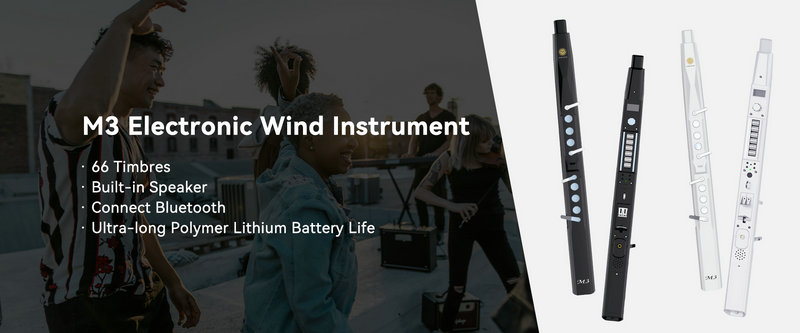
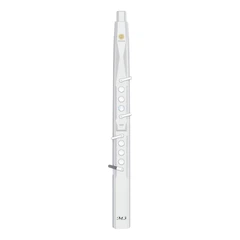
SUNRISE MELODY M3 Electronic Wind Instrument - The best-selling Electronic Wind Instrument
. 66 Timbres
. Built-in Speaker
. Connect Bluetooth
. Ultra-long Polymer Lithium Battery Life