

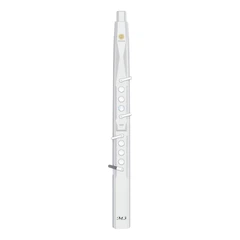

Electric wind instruments /electronic-wind-instrument/electric-saxophone-ewi.html usually have a variety of playing modes, the most common of which are solo and ensemble. The effects of each mode are as follows:
1. **Solo mode**:
- **Timbre performance**: In solo mode, the performer can fully demonstrate the various timbre characteristics of the electric wind instrument. The electric wind instrument can simulate the timbre of a variety of instruments, such as saxophone, trumpet, flute, etc. The performer can choose the appropriate timbre according to his or her preferences and the needs of the music. For example, choosing the saxophone timbre can play a melodious melody with strong expressiveness; choosing the trumpet timbre is brighter and higher, suitable for playing exciting music. Each timbre can highlight its unique style when playing solo, allowing the performer to give full play to his or her musical creativity.
- **Skill display**: The solo mode provides the performer with an opportunity to fully demonstrate his or her personal playing skills. The performer can use various techniques such as vibrato, glissando, and pitch bend by controlling the breath, fingering, and lip strength. These techniques can add rich expressiveness to the music, making the performance more vivid and infectious. For example, when playing some lyrical music, the use of tremolo techniques can enhance the emotional expression of the music; when playing fast music passages, the glissando technique can make the music smoother.
- **Volume control**: When playing solo, the performer can freely control the volume of the electric blowpipe and adjust it according to the performance environment and personal expression needs. In a quiet environment, the volume can be turned down to create a delicate and soft music atmosphere; in a larger space or when the expressiveness of the music needs to be emphasized, the volume can be turned up to make the music more impactful.
2. **Ensemble mode**:
- **Integration with other instruments**: In ensemble mode, the electric blowpipe needs to cooperate with other instruments to play harmonious music together. The timbre of the electric blowpipe can be integrated with the timbre of other instruments to form a rich sound effect. For example, when playing with piano, guitar and other instruments, the electric blowpipe can be used as a melody instrument or a harmony instrument to add a unique color to the music; when playing with string instruments, it can form a contrast between wind instruments and string instruments to enhance the layering of the music.
- **Rhythm coordination**: Rhythm coordination is very important in ensemble. The electric wind player needs to keep good rhythm synchronization with the players of other instruments to ensure the stability of the rhythm of the music. During the ensemble, the player needs to accurately grasp his own playing rhythm according to the rhythm characteristics of the music, and echo the rhythm of other instruments to make the performance of the entire band more tight and coordinated.
- **Comprehensive improvement of musical expression**: The ensemble mode can combine the expressiveness of different instruments and greatly enhance the expressiveness of music. The timbre, rhythm, harmony and other elements of different instruments are intertwined to form a richer and more three-dimensional musical effect. The electric wind can play its unique timbre advantage in the ensemble, and together with other instruments, create a variety of different musical atmospheres such as grand, exciting, and lyrical, bringing a more wonderful music experience to the audience.
/electronic-wind-instrument/electric-saxophone-ewi.html

Does the electric trumpet have multiple playing modes, such as solo, ensemble, etc.? What are the different effects in each mode?
Oct 31, 2024
Leave a message