
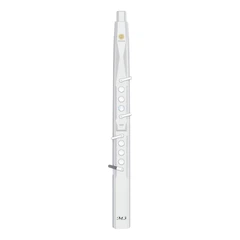


The electric saxophone, a modern musical instrument that combines traditional saxophone playing techniques with advanced electronic technology, has gained popularity among musicians and enthusiasts. But does it need regular maintenance like its acoustic counterpart? The answer is a resounding yes. In this article, we will explore in detail why regular maintenance of the electric saxophone is essential and what steps can be taken to ensure its optimal performance and longevity.
I. Introduction to the Electric Saxophone
The electric saxophone is a unique instrument that offers several advantages over traditional acoustic saxophones. It can produce a wide range of sounds and effects, making it suitable for various musical genres. Additionally, it is often more portable and easier to handle, making it convenient for musicians on the go. However, like any musical instrument, it requires proper care and maintenance to function at its best.
II. Components of the Electric Saxophone
The electric saxophone consists of several key components that need to be maintained. These include the body, keys, mouthpiece, electronics, and power supply.
Body
The body of the electric saxophone is usually made of plastic or other synthetic materials. It provides the structure and support for the instrument. Over time, the body can become scratched, dented, or cracked due to accidental impacts or mishandling. Regular inspection and cleaning can help detect and address any damage before it becomes more serious.
Additionally, the body may accumulate dust, dirt, and debris, which can affect the instrument's appearance and performance. Wiping down the body with a soft cloth and mild cleaning solution can help keep it clean and free from contaminants.
Keys
The keys on the electric saxophone are responsible for producing different notes. They are often made of metal and require regular lubrication to ensure smooth operation. Without proper lubrication, the keys can become stiff and difficult to press, affecting the player's ability to perform.
Keys may also become misaligned or bent due to excessive force or accidental impacts. Regular inspection and adjustment can help maintain the proper alignment and functionality of the keys.
Mouthpiece
The mouthpiece is the part of the electric saxophone that the player blows into to produce sound. It is usually made of plastic or rubber and can wear out over time. Regular cleaning and replacement of the mouthpiece can help ensure a consistent tone and playability.
Additionally, the mouthpiece may become clogged with saliva or other substances, affecting the sound quality. Cleaning the mouthpiece with a mild detergent and warm water can help remove any buildup and maintain its performance.
Electronics
The electronics in the electric saxophone are responsible for generating and processing the sound. They include the sound module, amplifier, and other components. These electronics can be sensitive to dust, moisture, and heat, which can cause malfunctions or reduced performance.
Regular inspection and cleaning of the electronics can help prevent dust and debris from accumulating and causing problems. Additionally, keeping the instrument away from sources of heat and moisture can help prolong the life of the electronics.
Power Supply
The electric saxophone requires a power supply to operate. This can be a battery or an external power adapter. Regular inspection and maintenance of the power supply can help ensure reliable operation.
Batteries should be checked regularly for signs of wear and replaced when necessary. External power adapters should be inspected for damage and proper functioning.
III. Importance of Regular Maintenance
Regular maintenance of the electric saxophone is crucial for several reasons.
Optimal Performance
By maintaining the instrument regularly, musicians can ensure that it performs at its best. This includes maintaining proper intonation, tone quality, and playability. Regular maintenance can help detect and address any issues before they affect the instrument's performance, allowing musicians to focus on their playing.
Longevity
Proper maintenance can extend the lifespan of the electric saxophone. By taking care of the instrument and addressing any issues promptly, musicians can prevent premature wear and tear and ensure that the instrument lasts for many years.
Reliability
Regular maintenance can also improve the reliability of the instrument. By ensuring that all components are functioning properly, musicians can reduce the risk of malfunctions or breakdowns during performances or practice sessions.
Resale Value
If a musician decides to sell their electric saxophone in the future, proper maintenance can increase its resale value. A well-maintained instrument is more likely to attract potential buyers and command a higher price.
IV. Maintenance Schedule
To ensure proper maintenance of the electric saxophone, it is important to establish a regular maintenance schedule. This schedule can vary depending on the frequency of use and the environment in which the instrument is used. However, some general guidelines include:
Daily Maintenance
After each use, wipe down the instrument with a soft cloth to remove any dust or dirt.
Check the keys for proper alignment and smooth operation.
Clean the mouthpiece with a mild detergent and warm water.
Weekly Maintenance
Inspect the body for any signs of damage or wear.
Lubricate the keys with a proper lubricant.
Check the electronics for any signs of dust or debris and clean if necessary.
Monthly Maintenance
Check the power supply for proper functioning.
Inspect the instrument for any loose screws or parts and tighten if necessary.
Perform a more thorough cleaning of the instrument, including the body, keys, and mouthpiece.
Annual Maintenance
Have the instrument professionally serviced by a qualified technician. This may include cleaning and adjusting the electronics, replacing worn parts, and performing a general inspection of the instrument.
V. Maintenance Tips
Here are some additional tips for maintaining the electric saxophone:
Store the instrument properly
When not in use, store the electric saxophone in a case or bag to protect it from dust, moisture, and accidental impacts. Avoid storing the instrument in extreme temperatures or humidity.
Handle the instrument with care
Be gentle when handling the electric saxophone to avoid damaging the keys, body, or electronics. Avoid dropping or banging the instrument.
Use proper cleaning products
Use only mild cleaning solutions and soft cloths to clean the instrument. Avoid using harsh chemicals or abrasive materials that can damage the instrument's finish.
Keep the instrument dry
Avoid exposing the electric saxophone to moisture or water. If the instrument gets wet, dry it immediately with a soft cloth and allow it to air dry completely before storing.
Follow the manufacturer's instructions
Read and follow the manufacturer's instructions for maintenance and care of the instrument. This will ensure that you are using the proper methods and products for maintaining your specific model of electric saxophone.
VI. Conclusion
In conclusion, the electric saxophone requires regular maintenance to ensure optimal performance, longevity, reliability, and resale value. By following a regular maintenance schedule and using proper care and cleaning techniques, musicians can keep their electric saxophones in top condition and enjoy many years of playing. Whether you are a professional musician or a hobbyist, taking the time to maintain your electric saxophone is well worth the effort.
SUNRISE MELODY M1 Electronic Wind Instrument
. Revisit the passion and dreams of youth
. M1 electric clarinet wind instrument -- The good news for beginners
. Rich and diverse timbres
. Powerful functions and easy operation
. Perfect after-sales service


