

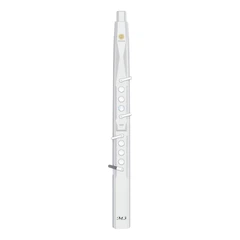

The Electronic Wind Instrument (EWI) has emerged as a powerful and versatile tool in the music world. When it comes to rock music, the EWI saxophone can indeed be used as a solo instrument, bringing a unique and exciting dimension to the genre.
I. Understanding the EWI Saxophone's Capabilities
The EWI saxophone combines the traditional fingering and playing techniques of a saxophone with advanced electronic sound generation. It is capable of producing a vast range of sounds, from the warm and mellow tones reminiscent of a traditional saxophone to bold, edgy, and futuristic electronic timbres. This flexibility in sound production is one of its key assets when considering its use as a solo instrument in rock.
The instrument's controls allow for precise manipulation of various parameters such as pitch, volume, tone color, and the addition of effects like reverb, delay, distortion, and more. These controls give the player a high degree of expressiveness, enabling them to shape the sound in real - time during a performance, much like a guitarist using pedals and knobs to modify the sound of their instrument.
II. Melodic and Expressive Potential
1. Melodic Lines
The EWI saxophone can produce powerful and memorable melodic lines that are well - suited for solo performances in rock. Its ability to play with a wide range of dynamics, from soft and delicate to loud and forceful, allows for the creation of melodies that can cut through the dense and energetic soundscape of rock music. For example, a soloist can start with a gentle, almost whisper - like melody using a breathy tone and then build up to a powerful, soaring line with a full - bodied sound, grabbing the audience's attention and holding it throughout the performance.
The EWI's capacity to play complex and fast - paced melodies also makes it a valuable solo instrument. Rock music often features energetic and intricate riffs and solos, and the EWI saxophone can match this intensity. It can execute rapid runs, trills, and arpeggios with ease, similar to a virtuoso guitarist or keyboardist. These melodic acrobatics can add a sense of excitement and virtuosity to a rock song, making the solo a highlight of the performance.
2. Expressive Techniques
One of the most significant advantages of the EWI saxophone is its ability to utilize traditional saxophone - inspired expressive techniques while also incorporating electronic enhancements. For instance, vibrato, a technique that adds a pulsating quality to a note, can be adjusted in terms of speed and depth on the EWI. A slow, wide vibrato can create a soulful and emotional effect, while a fast, narrow vibrato can add a sense of urgency or excitement.
Additionally, the EWI saxophone allows for pitch bending and glissando effects that can be used to great effect in a solo. Pitch bending, where the player modifies the pitch of a note during its duration, can add a bluesy or psychedelic feel to the music. Glissandos, the smooth sliding between pitches, can create a seamless and fluid transition between different parts of a melody, enhancing the overall expressiveness of the solo.
III. Sound Shaping and Customization
1. Tone Color and Effects
The EWI saxophone's ability to produce a wide variety of tone colors makes it an ideal solo instrument for rock. In rock music, tone is a crucial aspect that can define the mood and character of a song. The EWI can mimic the sound of different saxophone types such as alto, tenor, or soprano, each with its own tonal characteristics. It can also generate sounds that are not typically associated with traditional saxophones, such as metallic, synthetic, or ambient tones.
The addition of effects further enhances the instrument's sound - shaping capabilities. For example, distortion can give the sound a gritty and aggressive edge, similar to a distorted electric guitar. This can be used to create a powerful and intense solo that stands out in a rock context. Reverb and delay effects can add a sense of space and atmosphere, making the solo sound as if it's echoing through a large concert hall or a vast canyon, adding a dramatic and immersive quality to the performance.
2. Sound Customization in Real - Time
A unique feature of the EWI saxophone is the ability to customize the sound in real - time during a performance. The player can use the instrument's controls to adjust the parameters and effects on the fly, adapting to the mood and energy of the song and the audience. For example, if the rest of the band is building up to a climax, the EWI player can increase the volume, add more distortion, and adjust the tone color to a more piercing and intense sound, matching the energy and driving the song forward. This real - time customization adds an element of spontaneity and interactivity to the solo, making it a dynamic and engaging experience for both the player and the audience.
IV. Interaction with the Rock Ensemble
1. Rhythmic Interaction
Even as a solo instrument, the EWI saxophone can interact rhythmically with the rest of the rock ensemble. It can lock in with the drums and bass to create a solid groove. For example, in a funk - influenced rock song, the EWI saxophone can play staccato notes and syncopated rhythms that complement the driving beat of the drums and the funky bass lines. This rhythmic interplay adds depth and complexity to the overall sound of the song and ensures that the solo is an integral part of the musical fabric rather than a standalone element.
The EWI saxophone can also play off the rhythmic patterns of the rhythm guitarist. It can add accents and fills during breaks in the guitar's rhythm, creating a sense of call - and - answer between the two instruments. This kind of interaction keeps the energy flowing and makes the solo more engaging and connected to the rest of the band's performance.
2. Harmonic and Textural Interaction
Harmonically, the EWI saxophone can provide support to the other instruments in the rock ensemble or add a new harmonic dimension during a solo. It can play chords or chord voicings that blend with the overall harmony of the song, or it can introduce dissonant or unexpected harmonic elements to create tension and interest. For example, in a progressive rock piece, the EWI saxophone might play a complex chord progression during a solo that challenges the listener's ears and adds a layer of sophistication to the music.
Texturally, the EWI saxophone can add a different sonic layer to the rock ensemble. It can create a contrast between its smooth and flowing sound and the more percussive or distorted sounds of other instruments. For instance, during a heavy - metal song, the EWI saxophone's solo might provide a moment of respite with its mellow and melodic tone, creating a textural contrast that heightens the impact of both the solo and the overall song.
V. Examples of EWI Saxophone Solos in Rock
1. Classic Rock - Inspired Examples
In a classic rock - style song, the EWI saxophone could be used to recreate the kind of saxophone solos that were popular in the 1970s and 1980s but with a modern twist. For example, a song with a blues - based structure could feature an EWI saxophone solo that starts with a traditional bluesy saxophone tone, using techniques like bending notes and adding a slow vibrato. As the solo progresses, the player could introduce electronic effects such as a phaser or a chorus, giving the solo a more modern and psychedelic feel.
Another example could be a stadium - rock - inspired song where the EWI saxophone plays a soaring and anthemic solo. The soloist might use a powerful and full - bodied tone, similar to a tenor saxophone, and build up the intensity with a combination of volume swells and pitch bends. The addition of reverb and delay effects could make the solo sound as if it's filling a large arena, creating a memorable and impactful moment in the song.
2. Alternative and Indie Rock Applications
In alternative and indie rock, the EWI saxophone can be used to create more experimental and atmospheric solos. For example, in an indie - rock song with a dreamy and ambient soundscape, the EWI saxophone could play a solo using a soft and ethereal tone. The player might use a combination of long - held notes with gentle vibrato and slowly evolving pitch bends to create a sense of floating and otherworldliness. The addition of ambient - like effects such as a light reverb and a slow - moving delay could enhance this atmosphere, making the solo a central part of the song's mood - setting.
In an alternative - rock song with a more angular and post - punk influence, the EWI saxophone could play a solo that features quick and staccato notes, with a tone that has a bit of a distorted edge. The solo could interact rhythmically with the angular guitar riffs and the driving drums, adding a new and unexpected voice to the music.
In conclusion, the EWI saxophone is a highly capable instrument that can be used as a solo instrument in rock music. Its melodic and expressive potential, sound - shaping and customization capabilities, interaction with the rock ensemble, and the existence of various successful examples in different rock sub - genres all point to its viability and potential for creating exciting and memorable solos in the world of rock. As the instrument continues to evolve and musicians explore its possibilities, it is likely to become an even more prominent solo instrument in rock music.
SUNRISE MELODY M1 Electronic Wind Instrument
. Revisit the passion and dreams of youth
. M1 electric clarinet wind instrument -- The good news for beginners
. Rich and diverse timbres
. Powerful functions and easy operation
. Perfect after-sales service
