
Players of traditional ethnic instruments can definitely try electronic wind instruments. Here are the reasons:
For Musical Exploration:
Players of traditional ethnic instruments often have a deep understanding and appreciation of unique musical tones and expressions. Electronic wind instruments offer a vast array of new sounds and tonal possibilities that can inspire creativity and open up new musical horizons. For example, a player of a traditional Chinese flute might be intrigued by the ability to mimic the sounds of different orchestral instruments or even electronic effects on an electronic wind instrument.
The versatility of electronic wind instruments allows for experimentation with different genres and styles of music that may be outside the realm of traditional ethnic music. This can lead to the fusion of traditional and modern sounds, creating unique musical compositions.
Ease of Transition:
Many aspects of playing a traditional instrument can translate to playing an electronic wind instrument. Skills such as breath control, finger dexterity, and musical phrasing are still valuable. While there may be some differences in technique due to the electronic nature of the instrument, these skills can provide a solid foundation for learning.
Electronic wind instruments often have features that can make learning and playing easier. For instance, they may have built-in tuners, adjustable settings for pitch and volume, and the ability to play in different keys with ease. This can be particularly helpful for players who are used to the more challenging aspects of tuning and intonation on traditional instruments.
Performance Opportunities:
Incorporating an electronic wind instrument into a traditional ethnic music ensemble or solo performance can add a new dimension and attract a wider audience. The unique sounds and capabilities of the electronic wind instrument can enhance the overall musical experience and bring a fresh perspective to traditional music.
In a live performance setting, electronic wind instruments can be connected to amplification systems and effects processors, allowing for greater control over the sound and volume. This can be beneficial in larger venues or when performing with other amplified instruments.
Personal Growth and Skill Enhancement:
Trying a new instrument like an electronic wind instrument can challenge and expand the skills of a traditional ethnic instrument player. It can help develop new techniques, improve musical understanding, and enhance overall musicianship.
Learning to use the technology and features of an electronic wind instrument can also be a valuable learning experience in the digital age of music. It can open up opportunities for collaboration with other musicians who use electronic instruments and music production software.
In conclusion, players of traditional ethnic instruments can find many benefits and exciting opportunities in trying electronic wind instruments. It can be a rewarding journey of musical exploration and growth.
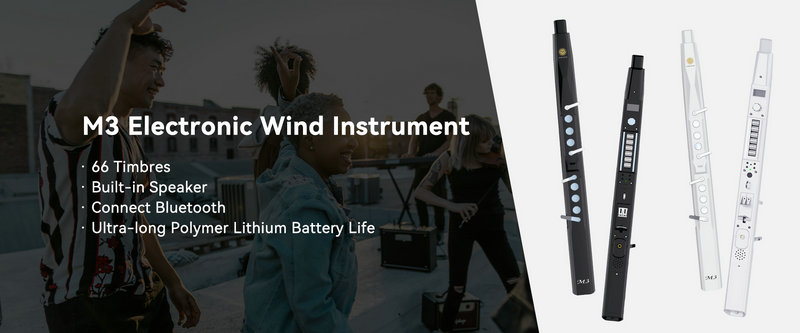
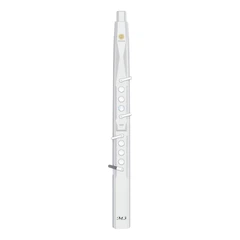
SUNRISE MELODY M3 Electronic Wind Instrument - The best-selling Electronic Wind Instrument
. 66 Timbres
. Built-in Speaker
. Connect Bluetooth
. Ultra-long Polymer Lithium Battery Life