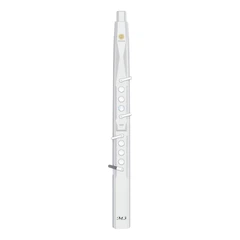


Long - term playing of the electric wind instrument is typically not harmful to the lungs when proper precautions and techniques are followed. Here's a more detailed look:
Beneficial Aspects of Playing
Strengthening Respiratory Muscles: When played correctly, the act of playing an electric wind instrument can actually have a positive impact on the lungs. The controlled breathing required engages and exercises the diaphragm, intercostal muscles, and other muscles involved in the breathing process. Just like any muscle in the body, these respiratory muscles can become stronger with regular use. For example, a professional or dedicated player who practices regularly may notice an improvement in their lung capacity and the efficiency of their breathing over time. This strengthening can contribute to better overall respiratory health.
Improving Lung Function: The controlled exhalation and inhalation patterns used during playing can enhance the elasticity and flexibility of the lungs. This is similar to how aerobic exercise benefits the cardiovascular system. The lungs are required to work in a coordinated and rhythmic manner, which can improve their ability to expand and contract. This can lead to a more efficient exchange of oxygen and carbon dioxide, which is essential for the body's metabolic processes.
Risks and How to Mitigate Them
Risk of Hyperventilation: One potential issue that could arise during long - term playing is hyperventilation, especially if the player becomes overly excited or nervous during a performance or intense practice session. Hyperventilation occurs when a person breathes too rapidly or deeply, leading to an imbalance in the body's carbon dioxide and oxygen levels. To avoid this, players should focus on maintaining a steady and controlled breathing rhythm. They can practice relaxation techniques before playing to calm their nerves and reduce the likelihood of hyperventilation. Additionally, being aware of their breathing patterns and taking slow, deep breaths when they feel themselves getting overly excited can help prevent this problem.
Impact on Allergies and Sensitivities: Some players may have allergies or sensitivities to materials used in the construction of the instrument or the environment in which they play. For example, if the instrument has a mouthpiece made of a material that can cause an allergic reaction, or if the player is exposed to dust or other allergens in the practice or performance space, this could potentially cause irritation to the respiratory system. To address this, players should ensure that they are using instruments made from hypoallergenic materials if they have known allergies. They should also keep their playing area clean and free from dust, mold, and other potential irritants. Using air purifiers or playing in well - ventilated spaces can also help reduce the risk of respiratory irritation.
Proper Hydration: Adequate hydration is crucial for maintaining healthy lung function. When playing an electric wind instrument for long periods, the body loses moisture through breathing. If a player becomes dehydrated, the mucus membranes in the lungs can become dry, which can make them more susceptible to irritation and infection. To prevent this, players should drink plenty of water before, during, and after playing. They can also use a humidifier in their practice or performance area to add moisture to the air, which can help keep the respiratory system hydrated.
SUNRISE MELODY M3 Electronic Wind Instrument - The best-selling Electronic Wind Instrument
. 66 Timbres
. Built-in Speaker
. Connect Bluetooth
. Ultra-long Polymer Lithium Battery Life