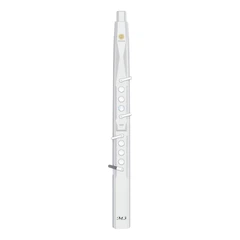

The question of whether an electric flute can be used for classical music is a complex and multi-faceted one. On the surface, it might seem that traditional acoustic flutes are the only appropriate choice for classical music due to their long history and established place within the genre. However, upon closer examination, we find that electric flutes can indeed have a role to play in classical music settings.
To begin with, let's consider what makes classical music unique. Classical music is known for its complexity, precision, and emotional depth. It often features intricate melodies, harmonies, and rhythms that require a high level of technical skill from the performers. Traditional acoustic instruments have been the mainstay of classical music for centuries, and their sound qualities have been carefully cultivated and refined over time.
The acoustic flute, in particular, is renowned for its beautiful tone, expressiveness, and versatility. It can produce a wide range of sounds, from delicate and airy to powerful and intense. The sound of an acoustic flute is created by the player's breath and the interaction between the air column inside the instrument and the various keys and openings. This natural sound production gives the acoustic flute a certain warmth and organic quality that is highly prized in classical music.
So, where does the electric flute fit into this picture? Electric flutes offer several advantages that can potentially enhance classical music performances. One of the main advantages is their ability to be amplified. In large concert halls or outdoor venues, an acoustic flute may not be loud enough to be heard clearly by all members of the audience. An electric flute, on the other hand, can be connected to an amplifier or sound system, allowing the player to control the volume and ensure that their sound is heard.
Amplification also opens up new possibilities for sound manipulation. Electric flutes often come with built-in effects such as reverb, delay, and distortion. These effects can be used to add depth and texture to the sound, creating a more immersive listening experience. For example, a touch of reverb can make the flute sound as if it is being played in a large cathedral, while a bit of distortion can give it a more edgy and modern feel.
Another advantage of electric flutes is their versatility. Many electric flutes can be programmed to produce different sounds and tones, allowing the player to mimic the sound of other instruments or create unique sounds of their own. This can be particularly useful in contemporary classical compositions that incorporate elements of different musical styles or require unusual sounds. For instance, an electric flute might be used to imitate the sound of a pan flute or a bird call, adding an exotic touch to a piece.
Furthermore, electric flutes can be more accessible to some players. For those with physical limitations or injuries that make it difficult to play an acoustic flute, an electric flute with lighter keys or adjustable features may be a viable alternative. Additionally, electric flutes can be easier to tune and maintain than acoustic flutes, which can be a significant advantage for beginners or those who don't have access to professional instrument repair services.
However, there are also some challenges and considerations when using an electric flute for classical music. One of the main concerns is the potential loss of the natural sound quality of the acoustic flute. While electric flutes can produce a wide range of sounds, they may not be able to replicate the exact tone and timbre of an acoustic flute. This can be a drawback for purists who value the traditional sound of classical instruments.
Another challenge is the perception of electric instruments in the classical music world. Some people may view electric flutes as being less "authentic" or "serious" than acoustic flutes, and there may be resistance from traditionalists who believe that classical music should only be performed on traditional instruments. This can make it difficult for electric flute players to gain acceptance in the classical music community.
To overcome these challenges, electric flute players need to approach classical music with respect and sensitivity. They should strive to use the instrument in a way that enhances the music rather than detracting from it. This may involve careful selection of effects and sounds, as well as a focus on technical proficiency and musical expression.
One way to make the electric flute more palatable to classical music audiences is to incorporate it into performances in a tasteful and appropriate way. For example, an electric flute might be used as a solo instrument in a contemporary classical piece, or it could be added to an ensemble to provide a unique color or texture. By demonstrating the instrument's capabilities and musicality, electric flute players can help to change perceptions and gain acceptance.
In conclusion, while there are some challenges to using an electric flute for classical music, it is certainly possible to do so successfully. With careful consideration and creative use, electric flutes can add a new dimension to classical music performances, bringing fresh sounds and ideas to this timeless genre. Whether as a solo instrument or part of an ensemble, the electric flute has the potential to enrich the world of classical music and inspire new generations of musicians.
As we continue to explore the possibilities of new technologies and musical instruments, it is important to keep an open mind and embrace innovation. The electric flute may not be a traditional choice for classical music, but it can offer a unique and exciting alternative for those willing to take a chance. So, if you are a classical music lover or a musician looking for a new challenge, consider giving the electric flute a try. You might be surprised at what it can do.
Now, let's delve deeper into some of the specific aspects of using an electric flute for classical music.
One of the key considerations is the choice of instrument. There are many different types of electric flutes available on the market, each with its own unique features and capabilities. Some electric flutes are designed to closely mimic the sound and feel of an acoustic flute, while others are more experimental and offer a wide range of sounds and effects. When choosing an electric flute for classical music, it is important to consider factors such as sound quality, playability, and durability.
Sound quality is perhaps the most important factor. Look for an electric flute that produces a rich, full-bodied tone that is similar to that of an acoustic flute. The instrument should also be able to produce a wide range of dynamics, from soft and delicate to loud and powerful. Additionally, pay attention to the quality of the built-in effects. Some effects can enhance the sound of the flute, while others may be too artificial or distracting.
Playability is also crucial. The electric flute should be comfortable to hold and play, with keys that are responsive and easy to press. Look for an instrument with a good ergonomic design that allows for easy access to all the keys and controls. Additionally, consider the weight and balance of the instrument, as this can affect your playing comfort and technique.
Durability is another important consideration. Since electric flutes often contain electronic components, they can be more prone to damage than acoustic flutes. Look for an instrument that is well-built and made from high-quality materials. Check for features such as shock resistance and water resistance, especially if you plan to use the instrument in outdoor or demanding environments.
Once you have chosen an electric flute, it is important to become familiar with its features and capabilities. Spend some time experimenting with the different sounds and effects, and learn how to adjust the settings to achieve the desired sound. Many electric flutes come with user manuals or online tutorials that can help you get started.
In addition to the instrument itself, you will also need to consider the amplification and sound system. When playing an electric flute for classical music, it is important to use a high-quality amplification system that can accurately reproduce the sound of the instrument. Look for an amplifier or sound system that is designed for musical instruments and has a flat frequency response. This will ensure that the sound of the flute is not distorted or colored by the amplification.
You may also want to consider using additional equipment such as microphones, effects pedals, and audio interfaces. These can further enhance the sound of the electric flute and give you more control over the final output. Experiment with different combinations of equipment to find the setup that works best for your needs.
When performing classical music on an electric flute, it is important to approach the music with the same level of technical proficiency and musicality as you would on an acoustic flute. Practice your scales, arpeggios, and other technical exercises to improve your finger dexterity and breath control. Additionally, study the music thoroughly and pay attention to details such as dynamics, phrasing, and articulation.
One of the challenges of playing classical music on an electric flute is that the sound can sometimes be less forgiving than that of an acoustic flute. Any mistakes or inaccuracies in your playing will be more noticeable, so it is important to be as precise as possible. Take the time to listen carefully to your playing and make adjustments as needed.
Another aspect to consider is the interaction with other musicians. If you are playing in an ensemble or with other instruments, it is important to blend your sound with that of the others. This may require some adjustments to your playing style and volume. Listen to the other musicians and try to match their dynamics and phrasing.
Finally, don't be afraid to be creative and experiment with different sounds and techniques. While classical music has certain traditions and conventions, there is always room for innovation and exploration. Use the unique capabilities of the electric flute to add your own personal touch to the music and make it your own.
In conclusion, using an electric flute for classical music can be a rewarding and exciting experience. With the right instrument, amplification system, and approach, you can create beautiful and unique performances that push the boundaries of traditional classical music. Whether you are a professional musician or a hobbyist, the electric flute offers a new way to explore and express your love for classical music. So, go ahead and give it a try – you might just discover a whole new world of musical possibilities.
SUNRISE MELODY M3 Electronic Wind Instrument - The best-selling Electronic Wind Instrument
. 66 Timbres
. Built-in Speaker
. Connect Bluetooth
. Ultra-long Polymer Lithium Battery Life