
An electronic wind instrument can incorporate elements of ethnic music from different regions to create a unique sound, and here's how:
Sound Sampling and Simulation:
Instrument Sounds: Electronic wind instruments can sample the sounds of traditional ethnic wind instruments from different regions. For example, the sound of the Native American flute, which has a distinct and haunting tone, can be sampled and incorporated into the instrument's sound library. By playing the electronic wind instrument with the sampled flute sound, one can create a fusion of modern and ethnic musical elements2.
Environmental Sounds: The ambient sounds and musical characteristics of a particular ethnic region can also be sampled and integrated. For instance, the sounds of a rainforest in South America or the bustling market sounds in an African village can be used as background elements or rhythmic patterns to add an ethnic flavor to the music played on the electronic wind instrument.
Rhythm and Beat Incorporation:
Unique Rhythmic Patterns: Different ethnic music traditions have their own characteristic rhythmic patterns. Electronic wind instruments can be programmed or played in a way to mimic these rhythms. For instance, the complex polyrhythms of African music or the syncopated rhythms of Latin American music can be incorporated into the playing style, creating a unique sound that combines the flexibility of the electronic instrument with the ethnic rhythmic essence.
Rhythmic Accentuation: By adjusting the attack, decay, and sustain parameters of the instrument's sound, one can emphasize certain beats or rhythms to match the style of a particular ethnic music. This can help in creating a more authentic ethnic sound, as different ethnic music often has specific rhythmic accents and nuances.
Scale and Melody Adaptation:
Ethnic Scales: Many ethnic music traditions use unique scales that are different from the standard Western scales. Electronic wind instruments can be tuned or programmed to play these ethnic scales. For example, the pentatonic scale used in Chinese traditional music or the raga scales in Indian music can be incorporated into the instrument's playing, allowing for the creation of melodies that have an ethnic flavor1.
Melodic Patterns: The melodic patterns and phrases used in ethnic music can also be adapted for the electronic wind instrument. This might involve learning and reproducing the typical melodic progressions and ornamentations found in a particular ethnic music style, such as the trills and glissandos in Middle Eastern music or the vibrato used in some Asian music traditions.
Performance Techniques and Expressions:
Breathing and Phrasing: Just as traditional wind instruments require specific breathing techniques to create certain expressions, electronic wind instruments can simulate these techniques through programming. For example, emulating the breathy and sustained sounds of a bamboo flute in Asian music or the rapid breathing patterns used in some ethnic wind instruments for fast passages can add authenticity to the performance.
Expression Controls: Modern electronic wind instruments often come with various expression controls such as touch sensitivity, pressure sensors, and modulation wheels. These can be used to mimic the expressive techniques used in ethnic music, such as the subtle variations in tone and volume achieved by the player's finger movements on a traditional ethnic wind instrument.
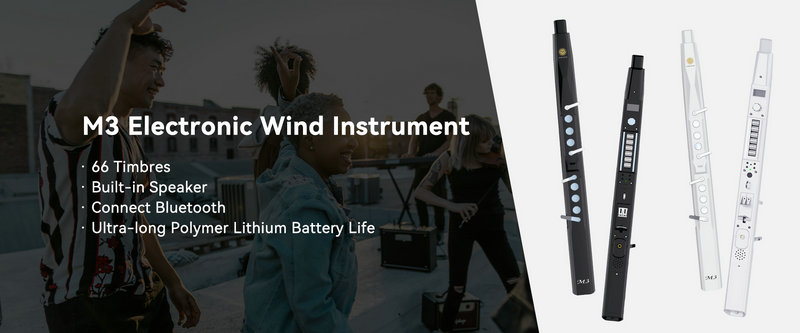
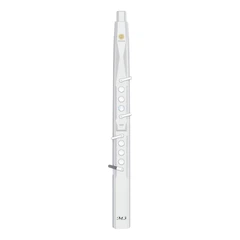
SUNRISE MELODY M3 Electronic Wind Instrument - The best-selling Electronic Wind Instrument
. 66 Timbres
. Built-in Speaker
. Connect Bluetooth
. Ultra-long Polymer Lithium Battery Life