

Electric wind instruments can be suitable for beginners in some respects but also present certain challenges. On the positive side:
**Accessibility and Ease of Use** Many electric wind instruments are designed with user-friendly interfaces. Beginners may find it easier to produce a sound compared to some traditional wind instruments. For example, with a clarinet or saxophone, proper embouchure (the way the lips and mouth are positioned on the mouthpiece) can take a significant amount of time and practice to master. In contrast, electric wind instruments often have more forgiving mouthpieces or input mechanisms that make it easier for beginners to get a sound out quickly. They also often come with built-in tutorials or learning modes. These can guide beginners through the basics of playing, including fingerings, breathing techniques (although the breathing requirements may be different than traditional instruments), and musical notation. This can be extremely helpful for someone just starting out and not sure where to begin.
**Versatility and Creativity** Electric wind instruments offer a wide range of sounds and effects. This can be highly engaging for beginners as it allows them to explore different musical styles and experiment with different sounds right from the start. It can inspire creativity and make the learning process more fun and interesting. For instance, a beginner might be able to switch between sounding like a saxophone, a flute, or even an electronic synth sound, giving them a diverse musical experience.
**Portability** Most electric wind instruments are relatively lightweight and portable. This makes it easy for beginners to take their instrument with them wherever they go, allowing for more opportunities to practice and play. Whether it's to a friend's house, a park, or on a trip, the portability of electric wind instruments can be a significant advantage for beginners who want to practice regularly. However, there are also some considerations:
**Lack of Traditional Feel** For some beginners who are interested in learning a traditional wind instrument, the feel of an electric wind instrument may be too different. The experience of playing a traditional instrument, with its acoustic sound and physical response, can be an important part of the learning process. Electric wind instruments may lack the tactile feedback and natural resonance that many beginners expect from a musical instrument.
**Dependency on Technology** Electric wind instruments rely on electronics and batteries. This means there is a potential for technical glitches or battery failures. Beginners may find it frustrating if their instrument stops working due to a technical issue, especially if they are in the middle of a practice session or performance. Additionally, understanding and troubleshooting technical problems can be a challenge for those who are not familiar with electronics.
**Cost** Electric wind instruments can be more expensive than some traditional beginner instruments. This may be a deterrent for beginners on a tight budget. While there are more affordable options available, the cost can still be a factor to consider. In conclusion, electric wind instruments can be a suitable option for beginners depending on their individual preferences and circumstances. Those who are looking for an accessible, versatile, and portable instrument may find electric wind instruments appealing. However, beginners who are seeking a more traditional musical experience or are concerned about cost and technical issues may want to consider starting with a traditional wind instrument. As with any instrument choice, it's important for beginners to try out different options and see what feels most comfortable and enjoyable for them.
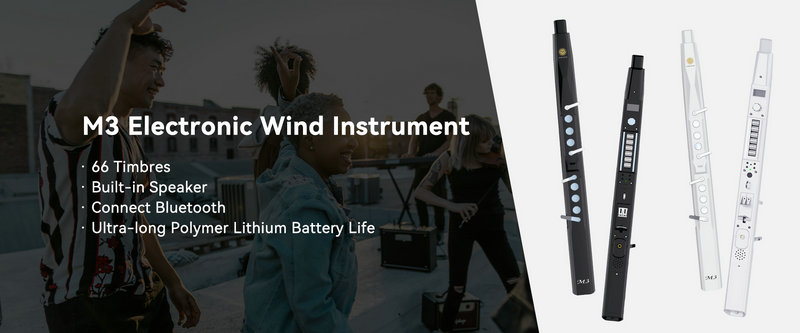
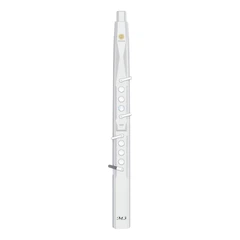
SUNRISE MELODY M3 Electronic Wind Instrument - The best-selling Electronic Wind Instrument
. 66 Timbres
. Built-in Speaker
. Connect Bluetooth
. Ultra-long Polymer Lithium Battery Life