
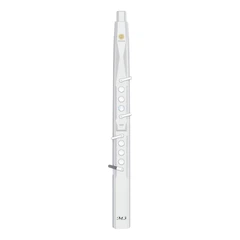


Here are some daily maintenance methods for electric wind instruments after long-term use, which will help ensure its stable tone and normal operation of various parts:
### Cleaning
- **Exterior cleaning**: Use a clean and soft cloth to wipe the surface of the electric wind instrument to remove dust, fingerprints and stains. For stubborn stains, you can dip a little water or mild detergent and wipe it gently, but avoid moisture entering the inside of the instrument.
- **Mouthpiece cleaning**: The mouthpiece is the part that directly contacts the mouth, which is easy to breed bacteria and residual saliva. After each use, the mouthpiece should be removed, rinsed with clean water, and then wiped with a clean cloth or dried naturally.
- **Internal cleaning**: Regularly use special cleaning tools, such as a small brush or compressed air can, to clean the dust and debris inside the electric wind instrument. Be careful not to use excessive force to avoid damaging the internal parts. For some hard-to-reach areas, you can use a slender tool to clean carefully, but avoid scratching the wall of the tube.
### Key maintenance
- **Key cleaning**: If there are stains or sweat stains on the surface of the keys, it will affect the sensitivity and feel of the keys. You can use a clean cloth to dip a small amount of alcohol and gently wipe the keys, but avoid alcohol flowing into the gaps under the keys.
- **Key lubrication**: If the keys are stuck or insensitive, you can use a small amount of special key lubricant or silicone grease to apply to the active parts of the keys. Be careful to use a moderate amount when applying to avoid excessive lubricant causing the keys to stick.
- **Check the key spring**: Regularly check whether the spring under the key is elastic. If it is deformed or loses elasticity, the spring should be replaced in time to ensure that the key can be reset normally.
### Sensor maintenance
- **Blow sensor**: The blow sensor is one of the key components for controlling the tone and volume of the electric blowpipe. Avoid getting dust, moisture or other debris on the sensor to avoid affecting its sensitivity. If you find that the sensor sensitivity has decreased, you can use a clean soft cloth to gently wipe the surface of the sensor, but be careful not to damage the sensor.
- **Bite force sensor**: For electric blowpipes with bite force sensors, be careful to keep the sensor clean and dry. Avoid biting the mouthpiece too hard when playing to avoid damaging the sensor. If the sensor fails, contact professional maintenance personnel for repair or replacement in time.
### Battery Maintenance
- **Rechargeable Battery**: If the electric blowpipe uses rechargeable batteries, charge and use the batteries correctly according to the requirements of the manual. Avoid overcharging or over-discharging to avoid shortening the battery life. When the electric blowpipe is not used for a long time, the battery should be removed and properly stored, and the battery should be charged and discharged every once in a while to maintain the battery activity.
- **Ordinary Battery**: For electric blowpipes using ordinary dry batteries, the battery should be replaced in time when the battery is low to avoid battery leakage and damage to the instrument. When replacing the battery, pay attention to the positive and negative directions of the battery to ensure correct installation.
### Storage
- **Storage Environment**: The electric blowpipe should be stored in a dry, well-ventilated place, avoiding direct sunlight and humid environments. The electric blowpipe can be properly stored in an instrument box or a special storage bag to prevent dust and collision.
- **Avoid Squeezing**: During storage and carrying, be careful to avoid squeezing or collision of the electric blowpipe instrument to avoid deformation of the instrument or damage to internal components. Do not put heavy objects on the electric blowpipe, and try to place it in a safe place.
### Regular inspection
- **Function inspection**: Regularly check whether the various functions of the electric blowpipe instrument are normal, such as tone switching, volume adjustment, key response, etc. You can test the performance of the instrument by playing some simple scales or music. If there is any abnormality, find the cause and repair it in time.
- **Component inspection**: Check whether the various components of the electric blowpipe instrument are loose, damaged or worn, such as buttons, interfaces, screws, etc. If any problems are found, tighten or replace the components in time to ensure the normal use of the instrument.
/electronic-wind-instrument/electric-saxophone-ewi.html


